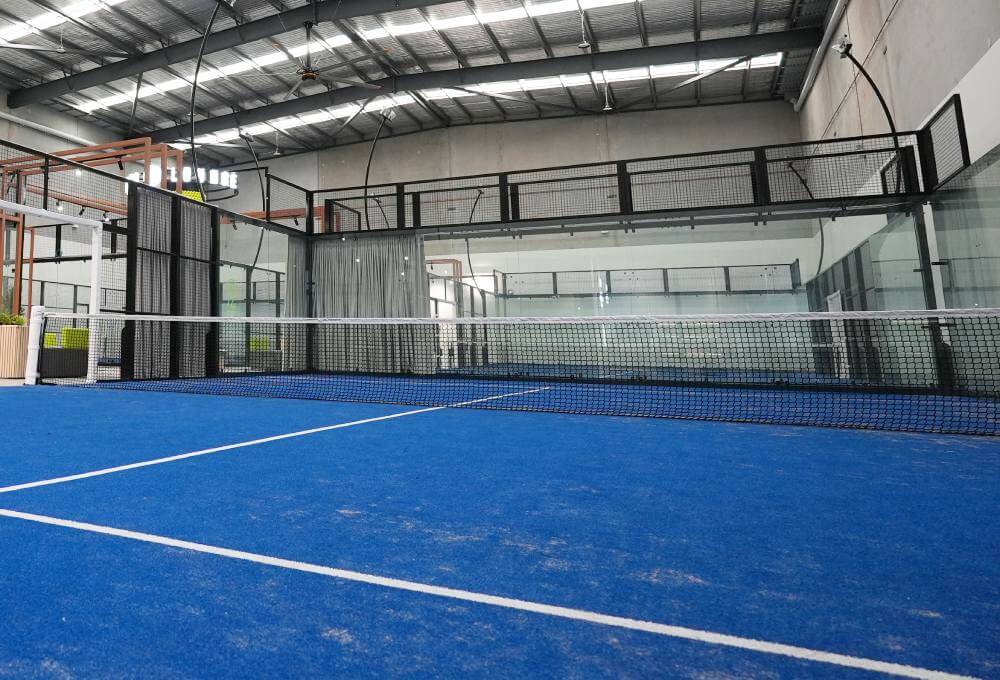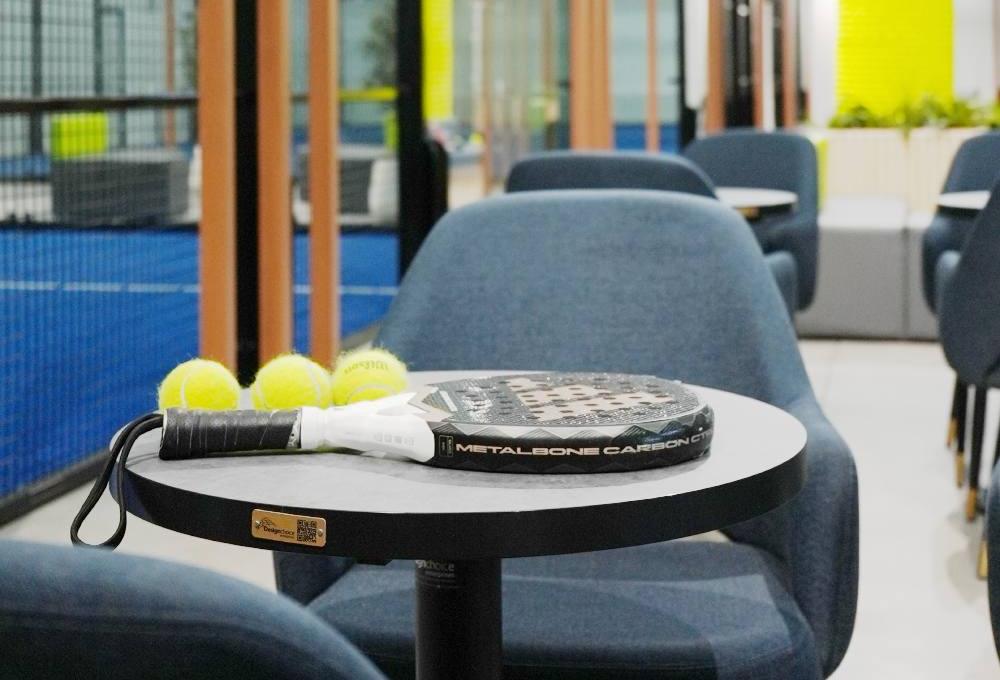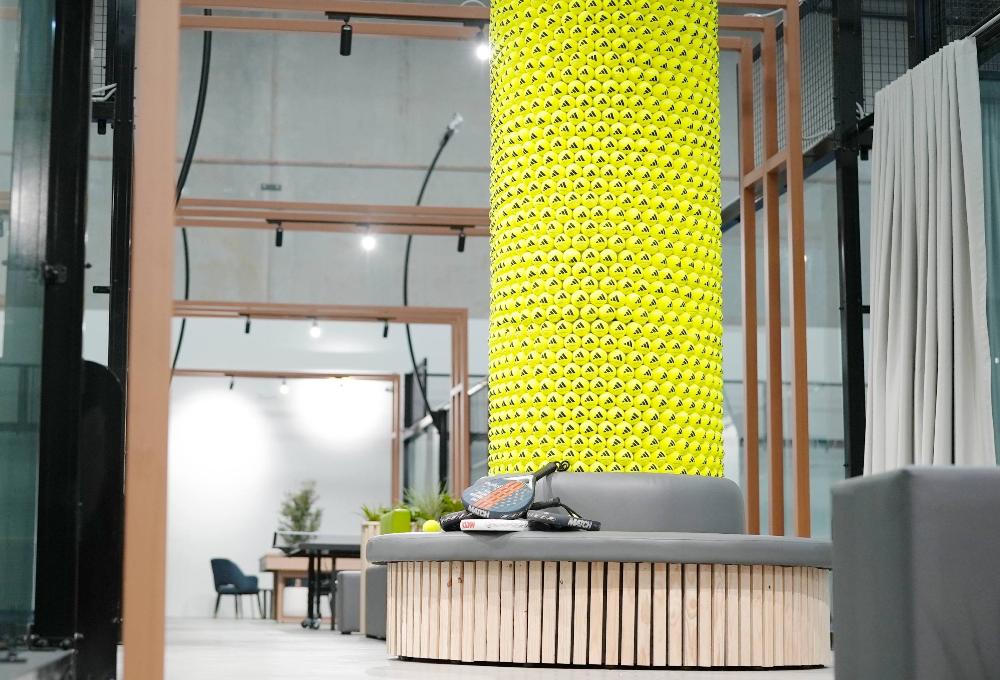
Padel is no longer just a European craze — it’s a global movement, and now it’s making a serious impact in Western Sydney. If you’ve driven past a new court or seen friends posting about their first game, you’re witnessing the start of something big.
But why is padel growing so fast? Which countries are leading the charge? And could it really become an Olympic sport? Let’s break it down.
Why is Padel Growing So Rapidly?
The rapid rise of padel comes down to three powerful factors: accessibility, social appeal, and excitement.
1. Accessibility
Padel is easier to pick up than tennis. The smaller court, underarm serve, and forgiving walls mean beginners can rally within minutes. Unlike some sports that take months of practice, padel rewards you with fun from your very first game.
2. Social Appeal
Because padel is usually played in doubles, it’s one of the most social racquet sports in the world. The format encourages teamwork, laughter, and community bonding. In Western Sydney, clubs are creating spaces where friends, families, and colleagues come together for both fitness and fun.
3. Fast-Paced Fun
Padel combines the strategy of tennis with the energy of squash. The walls create angles and trick shots, making the game dynamic and unpredictable. It’s fast but not overwhelming — a rare balance that keeps players hooked.
Global Hotspots for Padel
Padel may be new to Australia, but in other parts of the world, it’s already a national obsession.
Spain
Over 20,000 courts across the country.
Millions of registered players.
Second most popular sport after football.
Spain is widely considered the home of modern padel. Its growth here in the 1980s and 1990s laid the foundation for the sport’s global spread.
Argentina
Deep cultural connection to padel, dating back to the 1970s.
Many of the world’s top professional players come from Argentina.
A powerhouse in both grassroots participation and international competitions.
Sweden
The sport has exploded in the past decade.
Celebrity investors and influencers helped popularise padel.
Padel clubs in Sweden often book out weeks in advance.
Italy and France
Rapidly expanding padel infrastructure.
Competitive leagues and strong international tournaments.
Middle East
Countries like Qatar, Saudi Arabia, and the UAE are investing heavily in padel facilities.
Padel is becoming a lifestyle sport in premium clubs and resorts.
And now, Australia is joining the movement. While Sydney, Melbourne, and Brisbane have led the charge, Western Sydney padel is emerging as a hotspot in its own right thanks to the region’s passion for community sport.
Olympic Status: Will Padel Make It?
One of the most exciting questions in the padel world is: Will it become an Olympic sport?
Current Status
As of 2025, padel is not yet in the Olympics. However, the International Padel Federation (FIP) is pushing for its inclusion in the 2032 Brisbane Olympics.
What’s Required for Olympic Inclusion
For a sport to be added to the Olympic Games, it must:
Be played in at least 75 countries across four continents.
Have a recognised international governing body.
Follow Olympic Charter regulations, including anti-doping standards.
Gain approval from the International Olympic Committee (IOC) at least seven years before the event.
Padel already meets several of these criteria, but global reach is still expanding. The surge of new clubs in places like Western Sydney is part of this worldwide growth — and every new player strengthens the case for Olympic inclusion.
Why Padel Fits the Olympic Spirit
Inclusivity: Padel is accessible for all ages and skill levels.
Global Appeal: From Spain to Australia, it’s uniting communities.
Spectator-Friendly: Fast-paced rallies, trick shots, and wall play make it exciting to watch.
If padel does make its Olympic debut, expect a surge in popularity across Western Sydney, as Australians rally behind the sport on the world stage.
Why Western Sydney is Embracing Padel
In Western Sydney, the recipe for padel’s success is already clear:
Diverse Communities – Western Sydney’s multicultural population is familiar with global sports trends, making it a natural home for padel.
Sports Culture – From football to netball, Western Sydney loves team sports. Padel’s doubles format fits perfectly into that tradition.
New Facilities – The arrival of purpose-built padel clubs gives locals a chance to try the game without leaving their neighbourhood.
For many in the region, padel is more than a workout — it’s a social activity, a way to meet people, and a new community hub.
FAQs About Padel Growth
Why is padel more popular than tennis in some countries?
Padel is easier to learn and more social, which makes it appealing to beginners and casual players.
Where is padel most popular today?
Spain leads the way, followed by Argentina, Sweden, and Italy. The Middle East is also seeing rapid growth.
Will I be able to watch padel at the Olympics?
If padel gains approval, its first Olympic appearance could be at the 2032 Brisbane Games.
Is padel big in Australia yet?
Yes — clubs are opening in Sydney, Melbourne, and Brisbane, with Western Sydney padel communities growing quickly.
“
Padel is growing rapidly because it’s fun, social, and accessible. From Spain to Argentina, Sweden to the Middle East, it has become one of the fastest-expanding sports on the planet. With Olympic dreams on the horizon and new venues popping up in Western Sydney, the sport’s future looks brighter than ever. If you’re curious about trying it out, there’s never been a better time to grab a racket, find some friends, and join the movement. Who knows — by 2032, you might even be cheering on Australian padel players at the Olympics.
THE PADEL LOUNGE Tweet