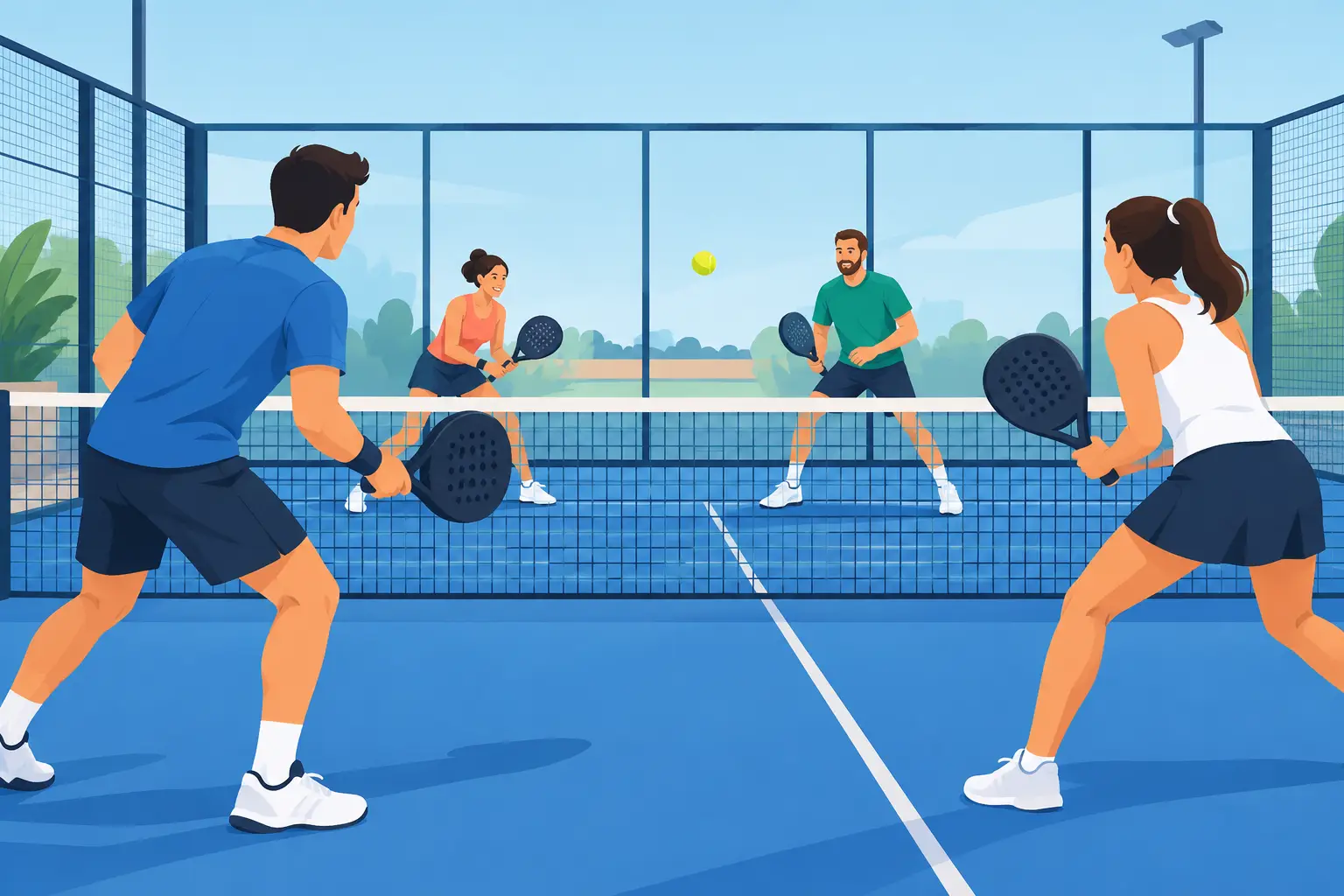
A great point can be over in seconds: a sharp return off the glass, a quick switch at the net, then high-fives all round. That is the appeal of group padel training classes. They turn a fast, social sport into a proper development session, without losing the fun fast furious energy that gets people back on court.
For beginners, training with a group removes the pressure of feeling like you need to know everything before you arrive. For regular players, it creates the repetition, tactical awareness and competitive edge that casual matches alone do not always deliver. You show up, move, learn, play points and leave with a clearer idea of what to work on next.
Why group padel training classes work
Padel is easy to start, but it rewards smart habits. The enclosed court, rebound glass and close-range exchanges mean a good shot is not always the hardest shot. Positioning, patience and partnership matter just as much as a big finish.
A group setting helps players see those patterns in real time. While you are hitting, you are learning. While you are waiting for the next drill, you can watch how another player prepares early, controls the volley or recovers to the right position after defending the back court. That shared learning speeds things up.
There is also a level of match pressure that solo coaching cannot fully recreate. Group drills make you choose under time pressure, communicate with a partner and adapt when the ball comes back off the glass in an awkward spot. Those are the moments that decide social games, Americano rounds and league matches.
The trade-off is that group coaching is not built around one player every minute. If you are fixing a very specific technical issue or preparing for a high-level event, a private session can give you more concentrated attention. But for most players, group training delivers the best mix of coaching input, ball time, social momentum and value.
What happens in a quality padel training session
The best sessions have structure, but they do not feel stiff. You should be moving early, hitting plenty of balls and understanding why each drill matters. A coach may adjust the plan to the group’s level, but a strong class usually moves through technique, movement, tactics and live play.
Start with movement and contact
Padel rewards compact swings and quick feet. Early drills often focus on how you set up behind the ball, hold your racket ready, use a controlled contact point and recover after each shot. It sounds basic, yet these details stop players from overhitting and give them more time when rallies get fast.
Beginners may work on forehands, backhands, serves and volleys before adding the walls. More experienced groups might refine the bandeja, vibora, overhead placement or defensive lobs. The goal is not to collect fancy shots. It is to choose the shot that gives your pair the best chance of owning the next ball.
Learn the court, not just the stroke
The biggest leap in padel usually comes from court awareness. When should both players move forward? Who takes the middle ball? When is it smarter to reset with a lob rather than force an attacking winner?
A good coach creates drills that make these answers visible. You might practise defending two balls at the back before earning the chance to attack. You may play a net-versus-back-court game that teaches the value of holding position. Repetition turns these ideas into instinct, so they still show up when a competitive point gets messy.
Finish with points that mean something
Live-point games are where training becomes yours. Short scoring formats, target zones and condition-based games make every rally purposeful. Perhaps a point only counts after both players touch the ball, or an attacking pair must win from the net while defenders look to escape with a well-timed lob.
These constraints can feel challenging at first. That is the point. They expose rushed decisions, silent partnerships and gaps in positioning, then give you a clear way to improve them. As confidence grows, the game opens up.
Finding the right class for your level
The right group should stretch you without making every ball feel impossible. If you are new to padel, look for an entry-level session where equipment is supplied, instructions are clear and everyone expects to learn the basics. You do not need a tennis background, your own racket or a perfect serve to belong there.
If you have played a handful of social games, an improver group is often the sweet spot. This is where players begin using the glass deliberately, moving as a pair and building a more reliable net game. You will still make mistakes, but you will start recognising them before the next point.
Intermediate and advanced sessions should bring more intensity. Expect quicker feeds, tighter tactical drills and opponents who can punish loose lobs or predictable volleys. These groups are ideal for players preparing for regular competition, but level matters. A class that is far below your standard can feel flat; one that is too far above it can reduce your confidence and ball contact.
If you are unsure, ask for guidance before joining. The best recommendation is based on how you play now, not the level you hope to reach by next month.
The social edge is part of the progress
Padel is built for connection. You share a court with three other people, talk between points and often find yourself playing with someone new. Group sessions make that social side easier because the structure does the awkward work for you. Everyone is there to hit, improve and have a good time.
That matters for consistency. A training plan only works if you keep turning up. When you know familiar faces will be there, and when post-session chats can roll into a drink or a bite to eat, practice feels less like another task on the calendar.
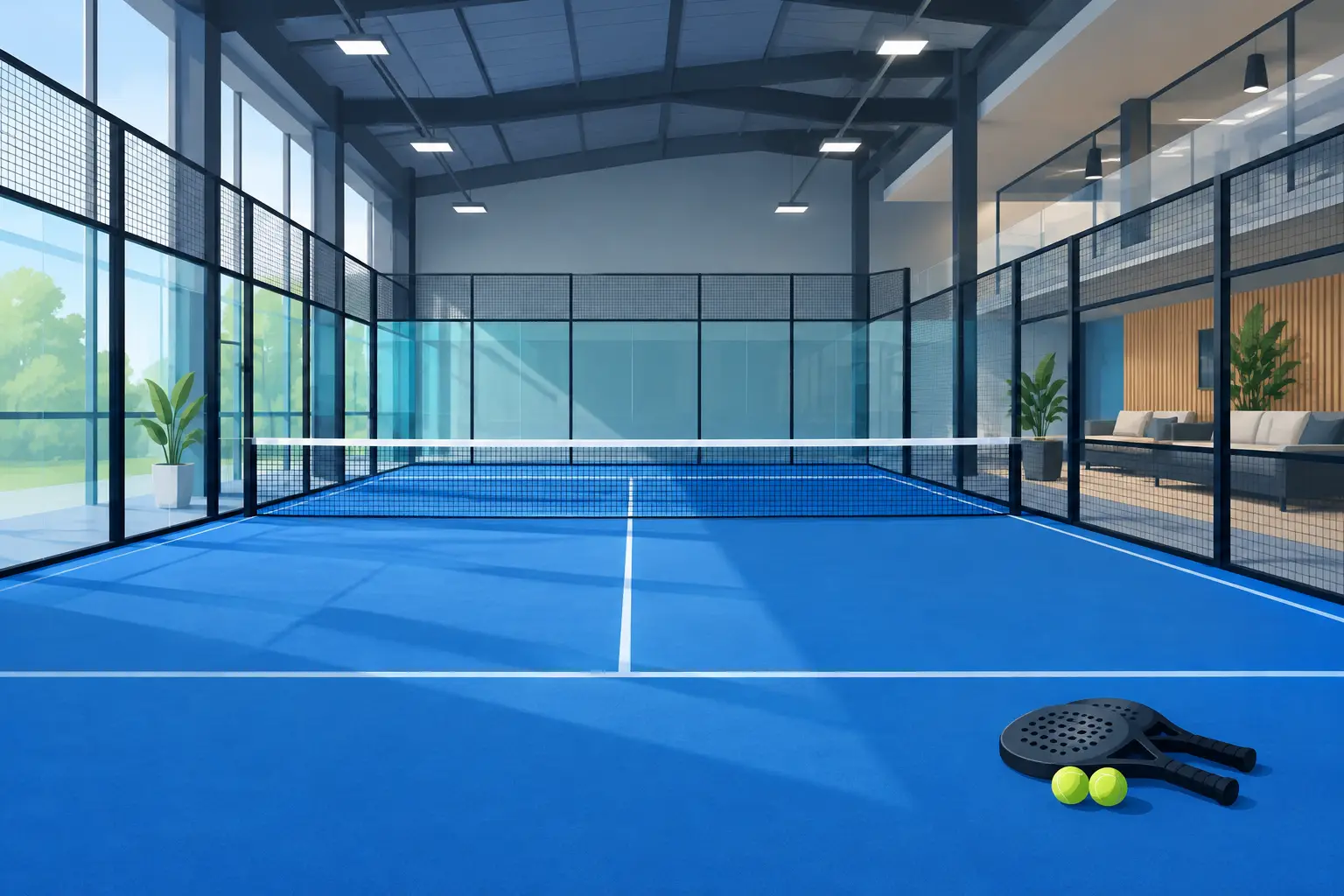
At The Padel Lounge, the experience extends beyond the rally, with a premium indoor setting designed for playing, spectating and staying a little longer. Regulation-size courts, professional-standard rackets and balls, scoreboards, lounge spaces and café service create a proper home for Western Sydney’s padel community.
How to get more from every class
Arrive a few minutes early so you can warm up your body and your eyes. Padel moves quickly, and the first few balls are easier when your legs are awake. Wear comfortable sports gear and court-friendly shoes with enough grip for quick changes of direction.
Give yourself one focus for the session. It might be getting every return in play, calling the middle ball earlier or using more lobs from defence. One clear intention is more useful than trying to rebuild your whole game at once.
Be generous with your communication. Call “mine”, “yours”, “switch” and “leave” early. Encourage your partner after a missed shot. Group training is not a trial where you have to prove you are already good. It is the place to practise the habits that make you a better teammate.
After the session, keep the learning alive with a social match or a short note on your mobile. What shot broke down most often? When did you feel in control? Which cue from the coach clicked? Small reflections make the next class more targeted.
From first rally to real progress
Group training is especially powerful because it makes improvement feel visible. The ball you once avoided at the back glass becomes playable. The volley that sailed long starts landing at your opponent’s feet. You and your partner begin moving together rather than chasing the same ball.
Progress will not always be linear. Some sessions feel sharp; others reveal a habit you thought you had fixed. Stay with it. Padel rewards players who are willing to learn, laugh at the odd wild rebound and keep putting themselves in the rally.
Choose a class that meets you where you are, bring a willingness to compete and connect, and let the court do the rest. Your next favourite sporting crew could be waiting on the other side of the net.