A proper indoor padel venue review starts before the first serve. It starts with the feeling when you walk in: can a complete beginner grab a racket and get moving without awkwardness? Can a competitive player find a court, a quality ball and a match that actually tests them? And when the game is done, is there a reason to stay?
For Western Sydney players, those details are the difference between a basic court hire and a place you want to build into your week. Padel is fun, fast, furious – but the venue has to keep up.
What to look for in an indoor padel venue review
Indoor padel should remove the usual excuses. Rain should not wash out the session. Heat should not dictate whether you play. A late finish at work should not mean the night is over. The best venues give you a dependable place to train, compete or simply catch up with your mates around a great game.
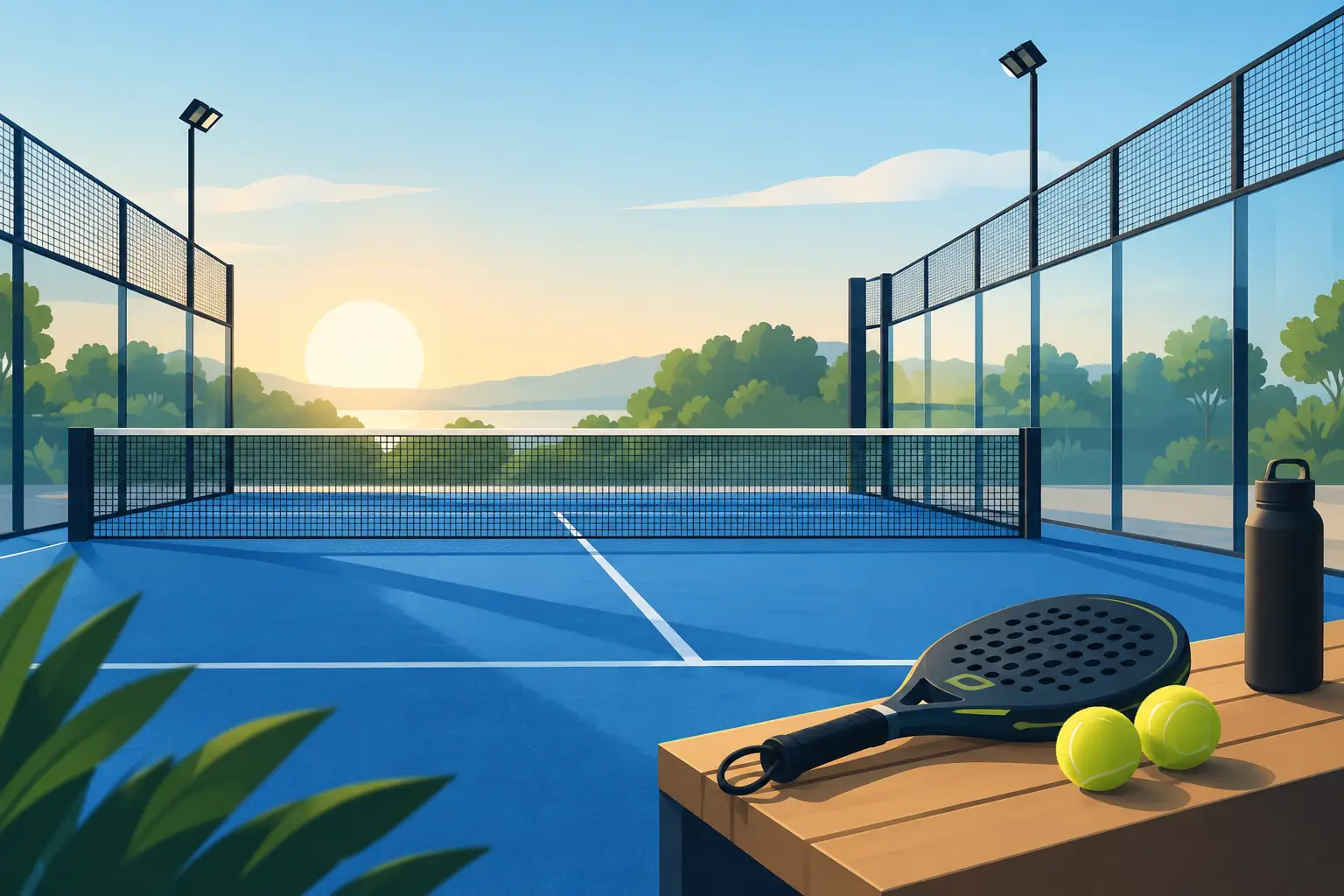
That reliability begins with the courts themselves. Regulation-size courts matter for players learning correct positioning, wall play and team tactics. Padel is a game of angles, communication and quick decisions. If the court dimensions, glass or playing surface feel compromised, so does the experience.
High ceilings matter more than many first-timers expect. Lobs are a huge part of padel, especially as players improve. A low roof turns a smart defensive shot into an accidental ceiling ball. Good overhead clearance lets the game breathe, giving players room to develop the full range of shots rather than adjusting their technique to the building.
Lighting deserves the same scrutiny. You want even light across the court, no harsh glare when tracking a high ball and no dim corners that make the glass hard to read. It is one of those details you may not notice when it is done well. You will definitely notice it when it is not.
Courts should suit more than one kind of player
A venue with full-size, internationally approved courts gives experienced players the conditions they expect and gives newcomers the right environment to learn in. But a great venue does not stop at standard match play.
A training-size private court can change what is possible. It creates a focused space for coaching, technical repetition and smaller sessions. It also gives privacy-conscious players, including women seeking a hijab-friendly setting, the freedom to play comfortably. That is not a side feature. It is a practical way to make padel more accessible to more people.
The trade-off is simple: not every session needs a private court, and not every player is chasing technical drills. If you are booking a social doubles hit, a full-size court is the move. If you want concentrated coaching, a quiet session with friends or space to refine a specific skill, a private training court earns its place.
The equipment test: can you arrive and play?
Padel grows fastest when the barrier to entry stays low. New players should not need to research rackets, hunt down balls or wonder whether their tennis gear will do the job. A venue that supplies professionally selected rackets and balls makes the first booking feel easy.
That matters for regulars too. Quality equipment affects the rally. A padel racket should feel manoeuvrable at the net, stable through the glass and comfortable enough that you can play another set without battling your grip. Fresh balls keep the game lively and predictable. These are small operational choices with a big impact on whether people come back.
There is still value in buying your own racket once you know your style. Players who train regularly often want a shape, balance and feel suited to their game. But for a first hit or a spontaneous after-work booking, supplied gear is a genuine advantage. Turn up, warm up, play.
Social play is not an add-on
A strong indoor venue recognises that most people are not only booking a court. They are booking a plan. Four friends want an active night out. A couple wants to meet new people without the pressure of a formal sporting club. A player who has just moved to the area wants regular games without chasing group chats all week.
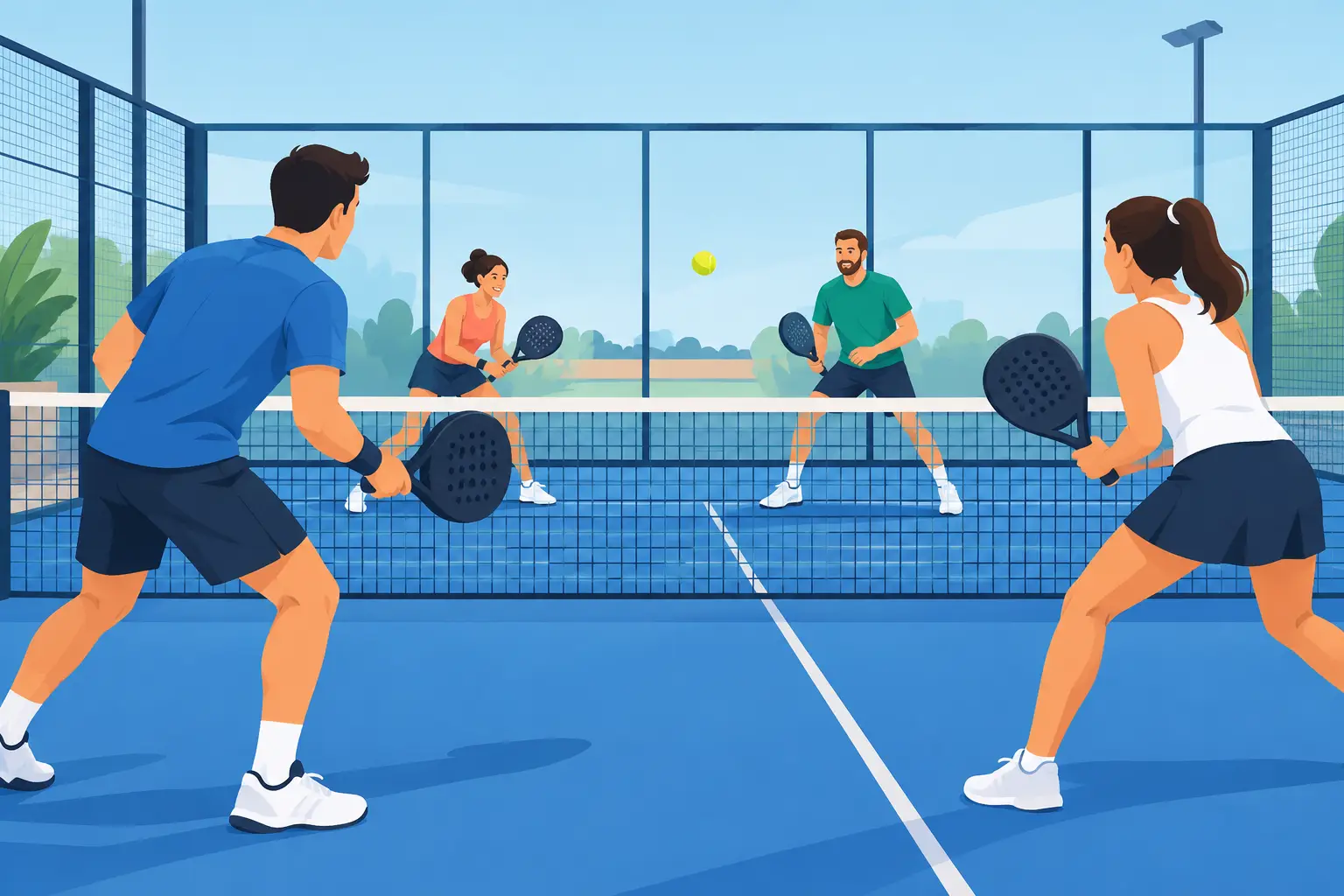
That is where organised formats earn their keep. Social nights take away the headache of finding three other players. Padel Americano keeps people moving, mixing and competing across short, energetic matches. Leagues give consistent players something to chase beyond a casual scoreline.
The best format depends on your reason for playing. Social nights are ideal if you are new, coming solo or looking for a good crew. Americano is brilliant when you enjoy meeting different players and want plenty of points in one session. League competition brings more edge, structure and accountability. None is better in every situation – they simply serve different versions of the same padel obsession.
A venue should also make spectating feel natural. Scoreboards, seating and screens turn a match into a shared occasion. Your mates can watch the final points, grab a coffee and talk through the rally that should have been a winner. That atmosphere helps padel feel less like an appointment and more like a community.
Coaching should create real progress
You can learn padel by playing more, and there is nothing wrong with that. But the game has a few habits that can slow progress: standing too far apart, trying to hit every ball hard, avoiding the glass, or treating the net as a place to rush rather than control.
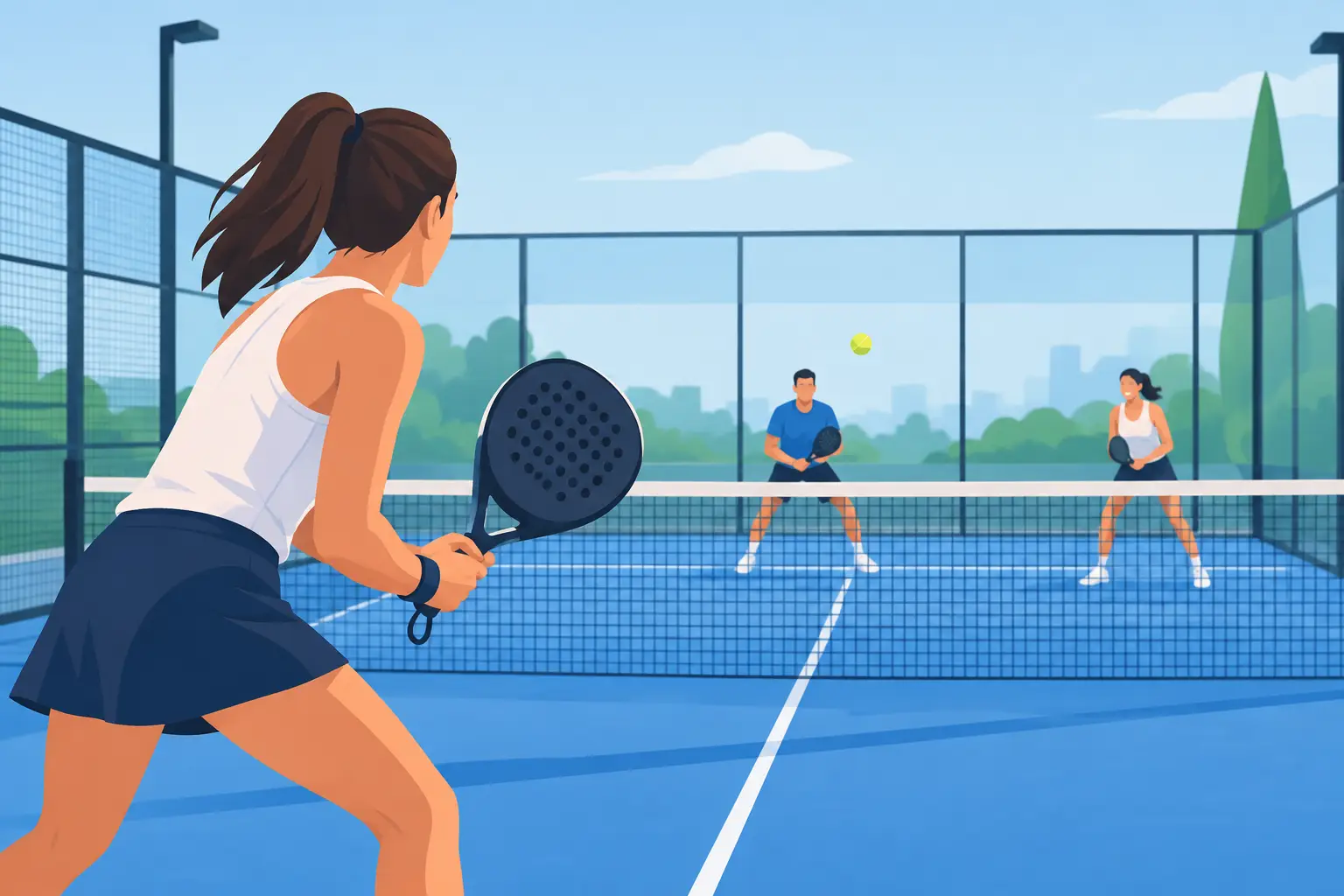
Structured coaching shortens that learning curve. Good group training gives newer players a foundation in court positioning, serving, returning and using the walls. For intermediate and advanced players, it should sharpen transitions, defensive lobs, volley choices and the communication that separates two good individuals from a strong pair.
Juniors deserve the same pathway, with coaching designed around confidence, movement and enjoyment before results. A young player who feels welcomed into the sport is more likely to keep showing up, develop athletic habits and eventually test themselves in competitive play.
Look for a venue that treats player development as ongoing, not a one-off lesson. The goal is not to make padel feel complicated. It is to help every player enjoy it more because they understand what is happening on court.
Convenience shapes the habit
Great facilities can still be frustrating if the booking process is clunky. Clear court availability, straightforward reservations and long operating hours make a difference to busy households and shift workers. Keyless entry adds flexibility, particularly for early sessions before work or later games when the group can finally align calendars.
Parking matters in Western Sydney too. It is not glamorous, but an easy arrival sets the tone for the whole session. So does reliable Wi-Fi, clean change areas and enough space to wait without standing in a corridor with a racket bag at your feet.
Then there is the café. Food and drinks are not essential to a forehand, obviously. They are essential to the experience when sport is also how your group catches up. A quality coffee before a morning hit, a cold drink after a close match, or a relaxed seat while the next court finishes all make it easier for padel to become part of your routine.
A venue should feel premium without feeling exclusive
There is a difference between polished and precious. The right indoor padel venue has thoughtful design, professional standards and a clean, elevated feel. Yet it should still make a first-time player feel welcome in runners and activewear, with no clue which side of the court to stand on.
That balance sits at the heart of The Padel Lounge in Greenacre: premium indoor courts, a private training space, organised play and room to hang out afterwards. It is built for the player chasing a league result, the family trying something new, and the friends who just want a better way to spend a Tuesday night.
The strongest review question is not, “Was the court good?” It is, “Would I bring someone back?” If the answer is yes – because booking was simple, the rally was quality, the people were welcoming and you stayed longer than planned – you have found more than a place to play. Book the session that suits your game, bring your crew or come solo, and let the next rally do the introductions.