A junior player’s best point is rarely the one hit hardest. It is the point where they spot the space, call for the ball, recover quickly and want to play the next one. That is the energy junior padel coaching classes should build: confident young players who enjoy competing, learning and being part of the action.
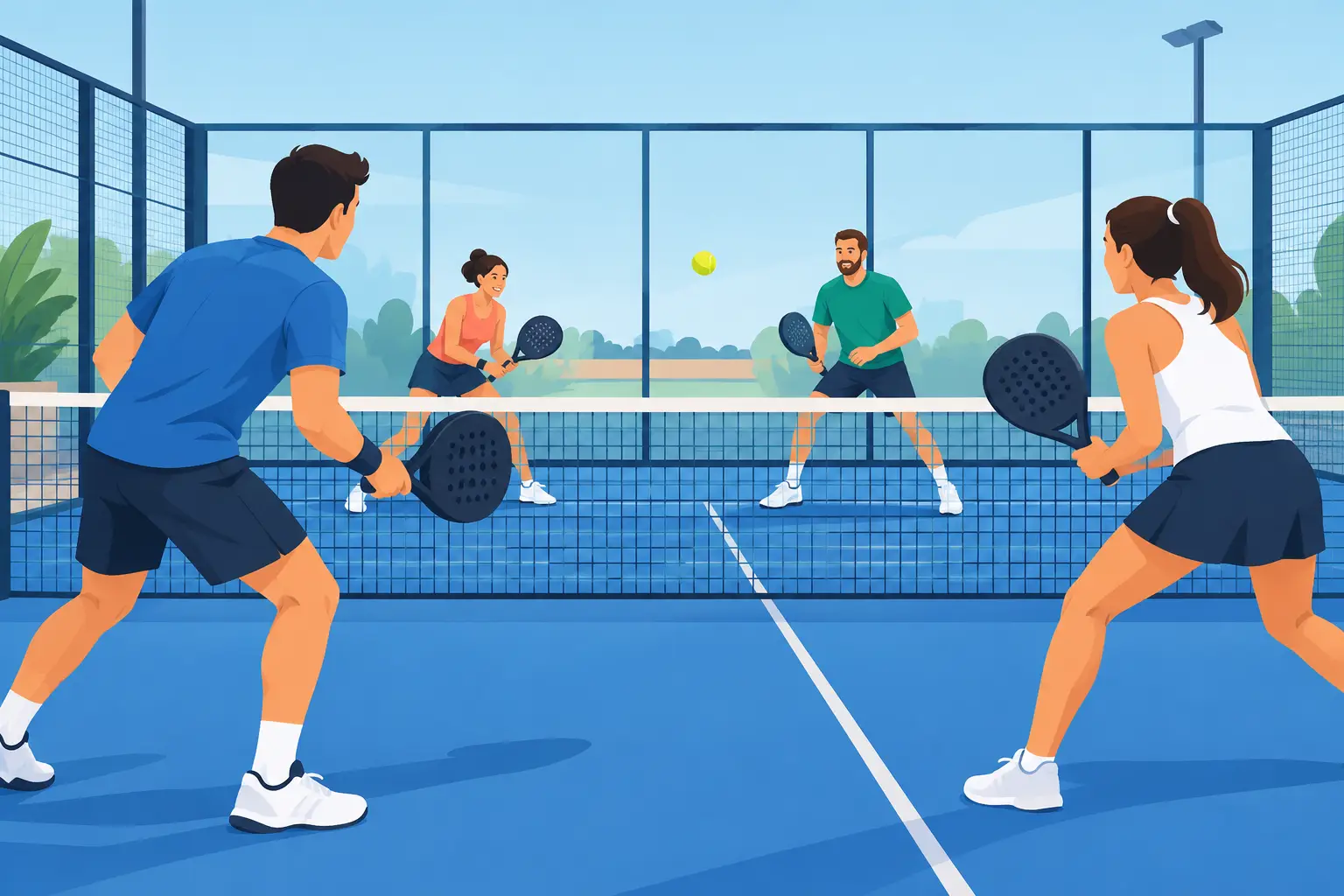
Padel is fun, fast, furious and far more accessible than many kids expect. The enclosed court keeps rallies alive, the underarm serve removes a common early barrier, and doubles means no one is left covering a huge court alone. For juniors across Western Sydney, it is a sport with real momentum – social enough to bring mates along, technical enough to keep improving, and competitive enough to spark ambition.
Why Junior Padel Coaching Classes Work
Padel gives young athletes plenty of early wins. The walls turn what might look like a missed shot in another racquet sport into a playable ball. Rallies last longer, players make more decisions, and the game rewards patience as much as power. That combination helps juniors stay engaged while building genuine sporting skills.
Great coaching does more than feed balls across the net. It teaches players how to hold the racket comfortably, move with balance, judge a bounce off the glass, communicate in doubles and make better choices under pressure. These are foundations that travel well, whether a child is completely new to racquet sports or already plays tennis, squash, badminton or another team sport.
There is also a valuable social side to padel. Juniors learn how to partner up, reset after an error, encourage a teammate and compete without taking every point too seriously. A strong class culture makes room for different personalities: the naturally competitive kid, the quiet observer, the energetic beginner and the young athlete chasing the next level.
The Right Start Is About More Than Technique
A first session should feel exciting, not intimidating. Young players need clear coaching, achievable challenges and plenty of time with a racket in hand. Long queues, complicated explanations and drills that feel disconnected from a real game can drain the fun quickly.
At the same time, coaching should not be all games and no direction. Juniors progress fastest when a session has a simple purpose. One week may focus on controlling the ball before it reaches the glass. Another may work on getting into a ready position after every shot. Later, players can learn when to defend deep, when to move forward and how to build a point with their partner.
The balance depends on age, experience and confidence. A child picking up a racket for the first time needs a different pathway from a junior already comfortable serving, volleying and playing points. The best junior padel coaching classes keep that difference in view, giving every player a challenge without making the session feel out of reach.
Skills That Build Better Players
Early technical work matters because habits settle in quickly. Juniors benefit from learning a compact, controlled swing rather than trying to smash every ball. They need to understand that padel is not just about hitting through the court – it is about using space, timing and the walls intelligently.
Footwork is equally important. Padel players are constantly adjusting with small steps, turning side-on, recovering towards the right position and moving together with a partner. Good movement makes the game easier and safer, while also giving juniors the confidence to play at speed.
Then comes game awareness. Young players can start with simple questions: Where is the open space? Is my partner ready? Should I keep the ball in play or attempt something more aggressive? These decisions turn a hit-around into padel. They also help juniors understand that smart play can beat hard play.
A Premium Court Experience Makes a Difference
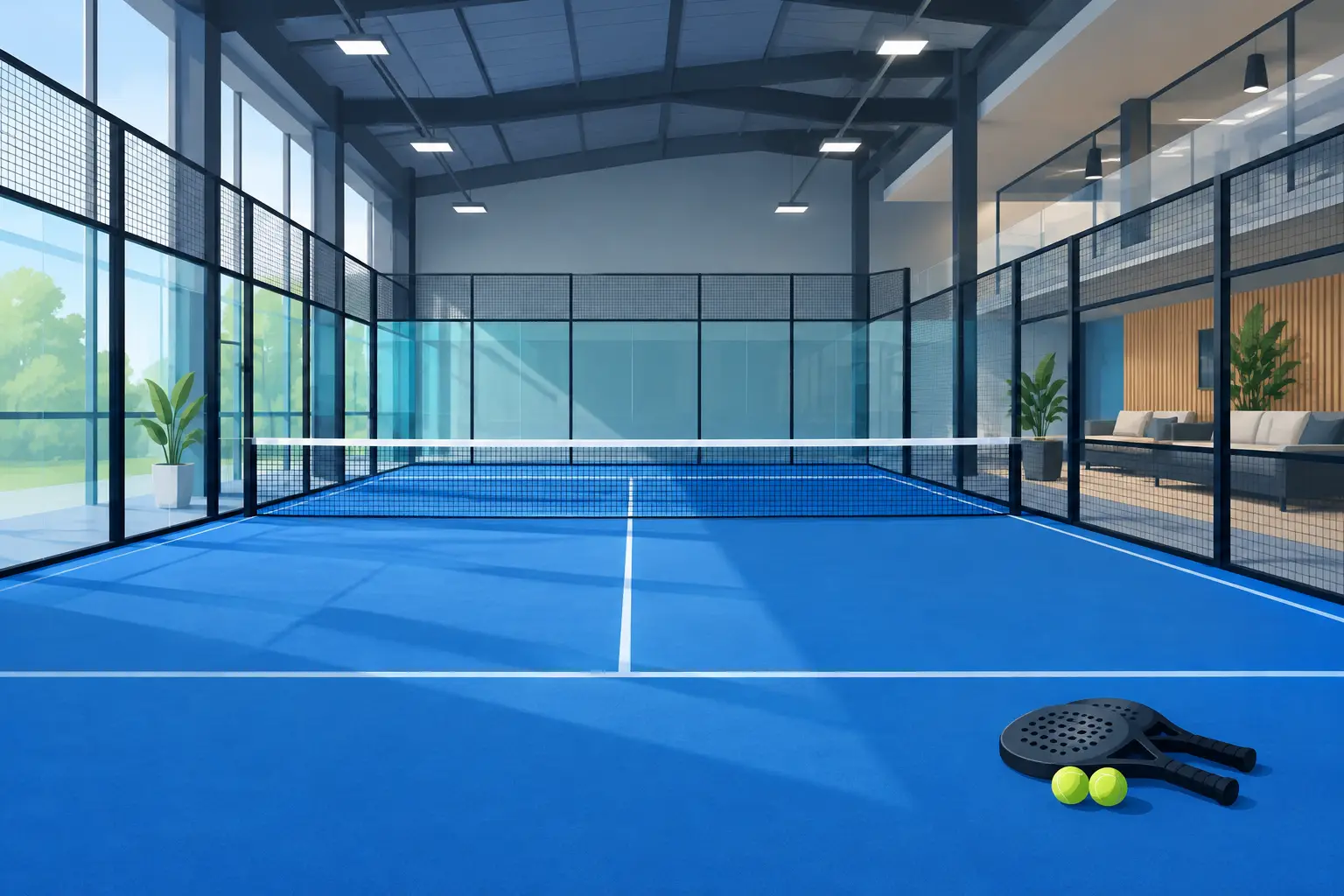
The environment matters, especially for young athletes finding their sporting home. Indoor courts remove the guesswork of rain, harsh sun and cancelled sessions. High ceilings give players room to track the ball properly, while quality lighting and a well-kept playing surface make it easier to focus on the game.
At The Padel Lounge in Greenacre, juniors can train on full-size, internationally approved courts and benefit from Australia’s first training-size private court. That smaller setting can be particularly useful for focused coaching, technical repetition and players who feel more comfortable learning away from a busy court environment. It also supports privacy-conscious families, including hijab-friendly play.
Professionally supplied rackets and balls lower the barrier for a first session. Families do not need to commit to buying gear before a child has even discovered whether padel is their new favourite sport. As interest grows, coaches can guide juniors towards equipment that suits their stage of development rather than simply the loudest design on the shelf.
For parents and carers, the experience should feel easy too. A venue with spectator seating, lounge areas, café service, parking and reliable facilities turns training time into something more enjoyable than waiting in the car. Young players notice when their effort is supported, and families are more likely to make sport a regular part of the week when the whole experience runs smoothly.
From First Rally to Match Confidence
The goal is not to rush every junior into a high-pressure competition. It is to give them a clear progression. First, they learn to rally. Then they play points with simple rules. Soon, they start serving, returning, defending the glass and working as a pair. Match play becomes less confusing because the skills have a purpose.
Social play is a powerful next step. It gives juniors new partners, different opponents and the chance to adapt. League-style competition can follow for players who want a bigger challenge, but it should be introduced at the right time. Some children thrive on scoreboards and close finishes; others need a few more low-stakes sessions before they are ready. Both pathways are valid.
Parents often ask whether padel is suitable for a child who is not naturally sporty. Usually, the answer is yes, provided the coaching is welcoming and appropriately paced. Padel rewards curiosity and consistency. A junior does not need to be the fastest or strongest player to enjoy success. They can learn placement, anticipation and teamwork – qualities that often bring quieter players into the game.
For more experienced young athletes, padel provides a fresh performance target. The game demands quick reactions, tactical discipline and calm decision-making. Players who commit to regular coaching can sharpen their net play, glass defence, overheads and transition game while gaining match experience against a broad range of styles.
What Families Should Look For
When choosing a junior programme, look beyond the headline age group. Ask whether players are grouped by confidence and ability where possible, whether coaches explain the purpose behind drills, and whether there is a clear route from beginner sessions to social and competitive play.
Consistency counts. A weekly class gives juniors time to remember, practise and improve without feeling overloaded. Extra court time with family or friends can accelerate progress, but it should stay fun. Ten focused minutes of rallying, serving or wall practice can be more valuable than an hour of random hitting.
Most importantly, listen to how your child talks about the session afterwards. If they are replaying a rally, naming a new shot or asking when they can return, the programme is doing something right. Confidence grows when young players feel seen, challenged and included.
Padel can be a first sport, a second sport or the game that brings a young athlete back to enjoying competition. Give them a court, a supportive coach and a partner to share the point with – then let the next generation of Western Sydney players get to work.