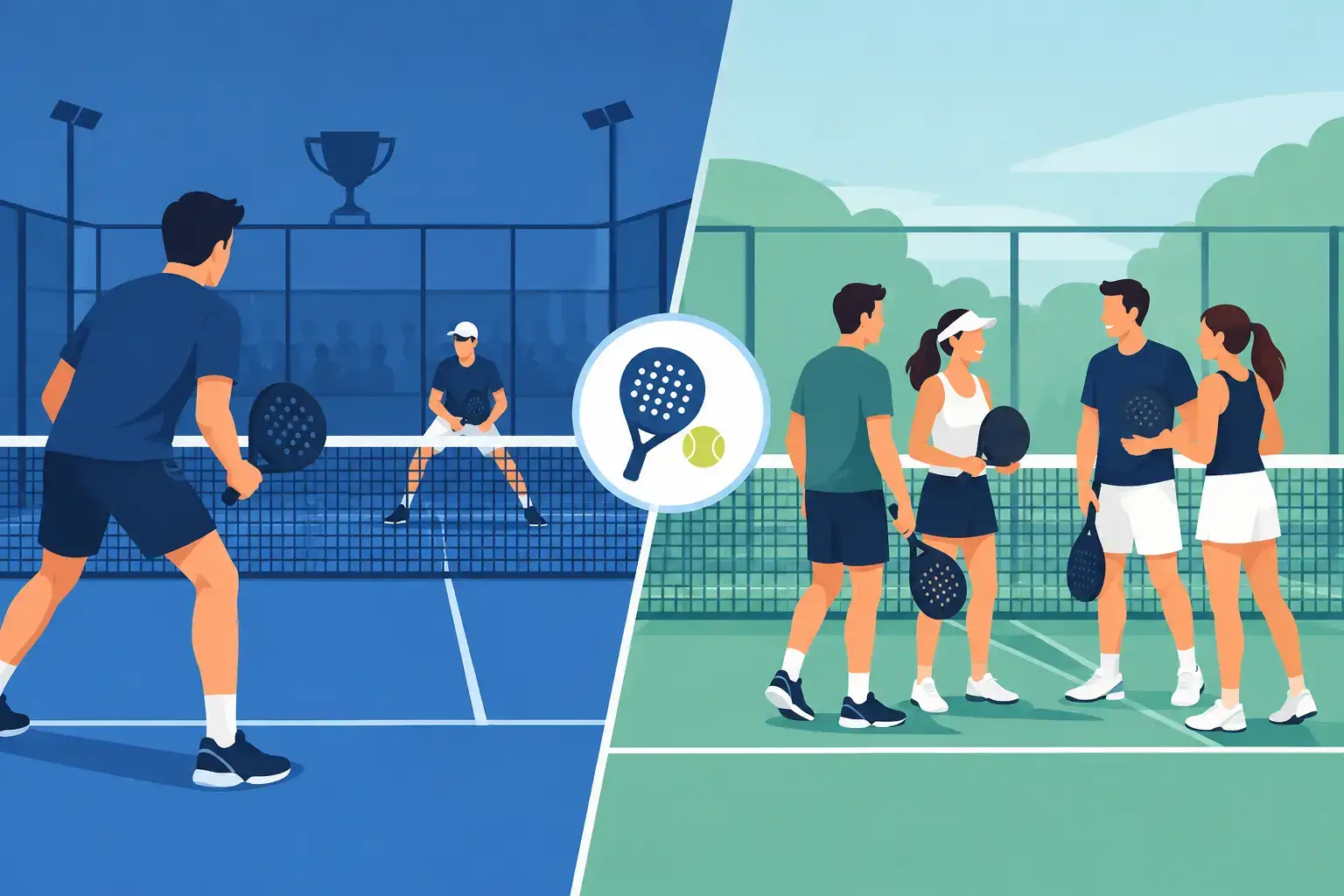
A corporate event should not feel like another calendar invite people tolerate. The best corporate team sports get colleagues off their screens, mixing with people outside their usual work circle and having a genuine laugh while the competitive edge comes out. That is where padel stands apart: fun, fast, furious, and easy to pick up without asking anyone to be an elite athlete.
For teams across Western Sydney, the goal is bigger than a few hours away from the office. The right activity can shift how people communicate, reveal unexpected strengths and give everyone something to talk about long after the final point. It needs to be inclusive enough for first-timers, engaging enough for competitive players and social enough to keep the energy going once play finishes.
What Makes the Best Corporate Team Sports Work?
Not every sport translates well from the weekend into a workplace event. Full-contact games can put off beginners. Long-distance challenges tend to reward the fittest few. Activities with complicated rules can spend more time explaining than playing.
The best corporate team sports create quick entry points. People should be able to learn the basics, join a team and start contributing within minutes. They also need enough strategy to reward communication, calm decision-making and adaptability – the same qualities that make a team work well Monday to Friday.
A strong corporate sport usually has four things going for it:
- Low barriers to entry, including equipment and clear guidance for newcomers.
- Small-team formats that get everyone involved rather than leaving people on the sidelines.
- A pace that creates excitement without demanding an all-day fitness commitment.
- A natural social finish, whether that is food, drinks, spectating or a little post-match banter.
Padel checks each box. Played mostly in doubles, it gives every participant a partner, a position and a reason to communicate. The enclosed court keeps rallies alive, so beginners are not constantly chasing balls or apologising for missed serves. More experienced players still get plenty out of it, because placement, movement and smart teamwork quickly matter.
Why Padel Is One of the Best Corporate Team Sports
Padel is not about turning up with a perfect backhand. It is about reading the game together. One pair may win by staying patient at the net; another might find their rhythm through quick reactions and fearless shots off the glass. Different personalities can succeed, which is exactly what makes it work for a mixed workplace group.
Everyone can get into the action
The first rally is the moment that changes minds. A colleague who has never held a racquet can make contact, keep the point moving and suddenly be right in the match. The court is smaller than tennis, the racquets are approachable and the rules are straightforward enough to learn as you play.
That does not mean padel is easy. It means it is welcoming. Once players settle in, they start thinking about lobs, positioning, covering their partner and using the walls. The learning curve is quick, but the ceiling is high. Your regular athletes can push themselves while your first-timers feel included from point one.
Doubles turns communication into a game plan
Corporate culture is often discussed in meeting rooms. On a padel court, it becomes visible. Do teammates call the ball? Do they encourage each other after an error? Can they reset after losing a close point? Are they willing to try a new tactic when the first plan is not working?
None of this needs to become a forced leadership lesson. The value comes from the shared experience. People see colleagues in a fresh setting, with a little pressure, plenty of laughter and immediate feedback. A quiet team member might prove brilliant at keeping their pair composed. The office extrovert might discover that listening makes them a better partner.
It works across fitness levels
A corporate event needs to avoid the awkward split between people who love sport and people who would rather not be singled out. Padel keeps the physical load manageable while still delivering a proper workout. Matches can be organised in short rotations, allowing players time to recover, watch other games and meet people they do not normally work with.
It also adapts well to group size. A small leadership group can book a private session and play relaxed doubles. A larger business can run rotating matches, team ladders or a Padel Americano-style format, where players switch partners and opponents across the session. This keeps scores moving and cliques from forming.
The social side is built in
The best corporate events do not end when the whistle goes. They give people room to celebrate a win, replay a ridiculous point and have a proper chat without rushing out the door. That is why venue matters as much as the sport.
At The Padel Lounge, indoor courts, lounge spaces, spectator seating, café service and long operating hours make it easier to turn play into a full team occasion. Colleagues can arrive after work, play in a polished setting and stay around for a feed or debrief. No weather watch, no scrambling for gear, no need to bring a racquet for the first time.
Other Corporate Sports and Where They Fit
Padel will not be the answer for every team. The right choice depends on your group, your purpose and how much time you have. A casual social cricket day may suit a large organisation with plenty of outdoor space and a full afternoon available. Lawn bowls is ideal when conversation matters more than intensity. Social futsal creates big energy for already-active groups, but can be more physically demanding and less forgiving for complete beginners.
Golf works for relationship building and longer conversations, especially with clients, yet it can divide a group across holes and takes significant time. Ten-pin bowling is accessible and relaxed, though it does not create the same movement, quick partnership or sporting momentum as a racquet sport.
Padel sits in a valuable middle ground. It is active but not intimidating, competitive but highly social, and polished enough for a client event without feeling formal. For companies looking to bring different departments together, that balance is hard to beat.
How to Plan a Corporate Padel Session That Lands
Start by being honest about the room. If most people are new, make the objective connection rather than crowning a champion. Build in a short introduction, keep early matches friendly and use mixed pairs so no one feels left behind. Supplied racquets and balls remove a common barrier, while a coach or organiser can keep the group moving with confidence.
For a more competitive crew, create teams before the day and run a points ladder. Short matches keep intensity high and give every pair several chances to play. A final between the leading teams creates a great finish, but do not make the whole event about who wins. The strongest corporate sessions give every player a role, not just the office athletes.
Timing matters too. A 90-minute session can be ideal for a post-work team activity. Two hours gives larger groups more rotation and time to settle into the game. If you are mixing staff with clients or partners, allow breathing room before and after court time so conversations are not squeezed between points.
Think about privacy and comfort as part of planning. A private training-size court can suit small groups, focused coaching sessions or players who prefer a more private environment, including hijab-friendly play. That level of choice sends a clear message: this event is for the whole team.
Bring the Energy Back to Work
The real measure of a corporate sport is not the scorecard. It is whether people leave more connected than when they arrived. Padel gives teams a shared challenge without the pressure of being perfect, and it replaces predictable after-work drinks with stories people will bring back to the office.
Set the date, mix the pairs and let the rally do the work. Together, you play. Together, you build a team that knows how to show up for each other.