A great hit should never come with the pressure of feeling watched. Hijab friendly padel sessions create space for women to move freely, build confidence and enjoy the fast, addictive rhythm of padel on their own terms. Whether you are picking up a racket for the first time or sharpening your match play, privacy and comfort can sit right alongside serious fun.
Padel is fun, fast, furious – but it is also one of the easiest racquet sports to start socially. The court is smaller than tennis, the walls keep rallies alive, and doubles means there is always someone in the point with you. For women looking for a respectful, privacy-conscious way to play, the right session setup makes all the difference.
What makes hijab friendly padel sessions work?
A hijab-friendly session is not about lowering the standard of the sport. It is about removing the barriers that can stop someone from joining in. Privacy, clear booking arrangements, a welcoming group and an indoor court environment allow players to focus on their footwork, their shots and the laugh that follows a rally off the glass.
For some players, a private court is the priority. It can offer a more comfortable setting for a group of friends, a women-only session, family play or focused coaching without an audience nearby. For others, the key factor is knowing that the venue team understands the request, respects the space and can help organise the session smoothly.
At The Padel Lounge in Greenacre, Australia’s first training-size private court gives groups an option built around focused practice and privacy-oriented play. It is a strong fit for smaller sessions, especially when comfort, confidence and control over who is on court matter most.
Choose the session that suits your group
There is no single right way to play. Your best option depends on who is coming, how much privacy you would like and whether the goal is a social hit, skill development or regular competition.
Private sessions for comfort and confidence
Booking a private training court is ideal for small groups who want their own space. Bring friends, sisters, cousins or teammates and make the court yours for the session. It is a relaxed way to learn the basics without worrying about keeping up with strangers, and it gives more experienced players room to work on specific patterns such as volleys, lobs and wall returns.
A private session can also suit one-on-one or small-group coaching. Padel rewards smart positioning as much as power, so a little guidance early can change how quickly the game clicks. You can practise serving underhand, moving as a pair and choosing when to let the ball reach the glass rather than rushing every shot.
Training-size courts have a different purpose from a full regulation court, so consider what you want from the booking. They are brilliant for drills, introductions and private practice. If your group wants a full doubles match, a full-size court may be the better call, provided the privacy setup suits everyone attending.
Social play when your group is ready
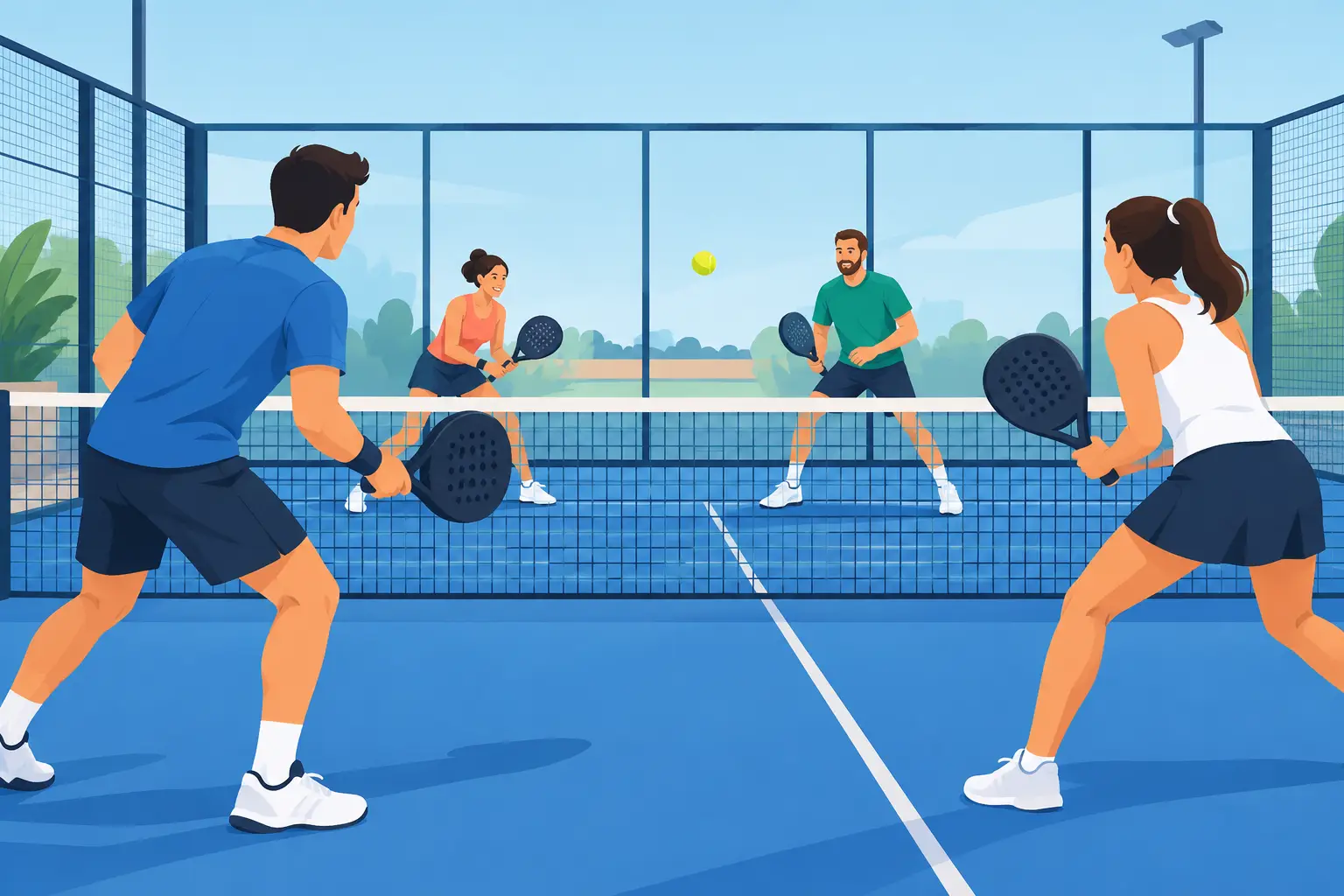
Once the group has found its rhythm, social sessions can bring another level of energy. Padel is made for four players, with quick points, plenty of communication and just enough chaos to make every game memorable. A regular group booking is often the simplest choice because you know who is playing and can set the pace together.
If you are considering an organised social night, group training or Padel Americano, ask about the format before booking. These programs can be a great way to meet players and develop match confidence, but they involve broader participation. Some women will love that social mix; others will prefer a closed group. Both are valid ways to play.
What to wear for comfortable padel
You do not need a specialist padel wardrobe to get started. The goal is clothing that lets you rotate, reach overhead, split-step and change direction without distraction. Breathable, secure layers are particularly useful indoors, where a lively session can build heat quickly.
Choose a hijab that stays comfortably in place during movement, along with a long-sleeve sports top or your preferred active layers and flexible pants or a skirt-and-legging combination. Court shoes with reliable grip are the big non-negotiable. Running shoes can feel fine at first, but their higher, softer profile is not designed for lateral movement. A proper court shoe gives more stability when you push off, stop and turn.
Keep water close, especially in longer bookings or training blocks. A small towel, spare scarf pins if you use them, and a light change of top can make the post-game café catch-up more comfortable too. Practical preparation means less fuss between points and more attention on your next shot.
Your first session: what actually happens
New players often expect padel to be technical from the first ball. In reality, the early wins are simple. Learn the underhand serve, keep the racket up near the net, and give yourself permission to use the glass. The walls are not an obstacle – they are part of the court.
Start with a short warm-up: side steps, hip rotations, shoulder circles and a few easy rallies. Then play mini points rather than worrying about a full set straight away. Aim to get the ball over the net with control, communicate with your partner and reset after mistakes. Everyone has their first ball that bounces back off the glass in a completely unexpected direction. That is part of the fun.
If it is your first time, supplied rackets and balls remove a major barrier. You can arrive, get a quick rundown and play without buying gear before you know whether padel is your new obsession. As your confidence grows, structured training can help turn good rallies into better decisions under pressure.
Build a session that feels good from the start
The best group organiser is clear before anyone steps on court. Confirm who is playing, the level of experience in the group, the court type and whether the booking is intended to be private. If you have particular privacy requirements, raise them when arranging the session rather than hoping the day will work itself out.
Give beginners extra reassurance. Tell them they do not need tennis experience, they do not need their own racket, and they do not need to be fit enough to run every ball down. Padel can be as social or as competitive as the group wants it to be. A first session might be 45 minutes of rallies and laughs; a regular crew might soon be tracking scores and demanding a rematch.
It also helps to agree on the mood. Are you there for a relaxed girls’ night, a family activity, a coached skills block or a competitive hit? Setting that expectation early keeps the session welcoming for quieter newcomers and satisfying for players who want to improve.
Privacy is part of performance
When players feel comfortable, they play more freely. They move without hesitation, ask questions, take risks on new shots and stay in the point longer. That is not a small detail. Confidence is a performance tool.
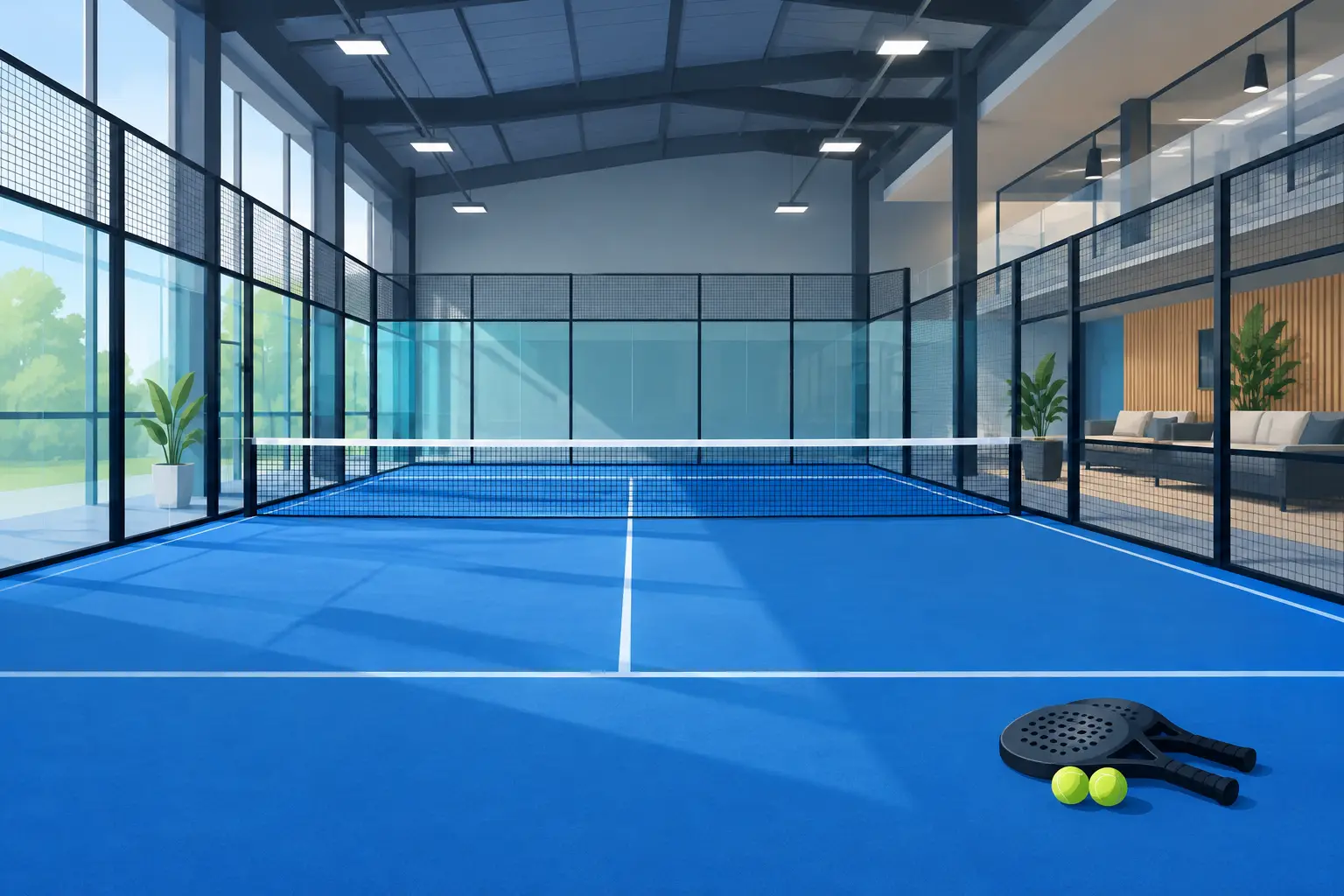
A quality indoor venue adds to that confidence. High ceilings make lobs feel possible, professional-standard courts give the ball a consistent response, and a clean, well-designed lounge area means the social side of the session has somewhere to go afterwards. Padel does not have to end at match point. It can be the reason your group catches up, celebrates progress and plans the next booking.
For parents, private or familiar-group play can be a useful introduction for daughters who are curious about racquet sports. Junior players benefit from learning movement, coordination and teamwork in an environment where they feel they belong. For adults returning to sport, padel offers a fresh challenge without the formality that can make other activities feel intimidating.
Make your next game your own
Hijab friendly padel sessions are about more than finding a court. They are about creating a sporting routine that respects your needs while giving you every chance to improve, compete and enjoy the crew around you. Start with the setting that makes you comfortable, bring people who lift your energy, and let the game grow from there.
Your first rally does not need to be perfect. It just needs to get you back on court.