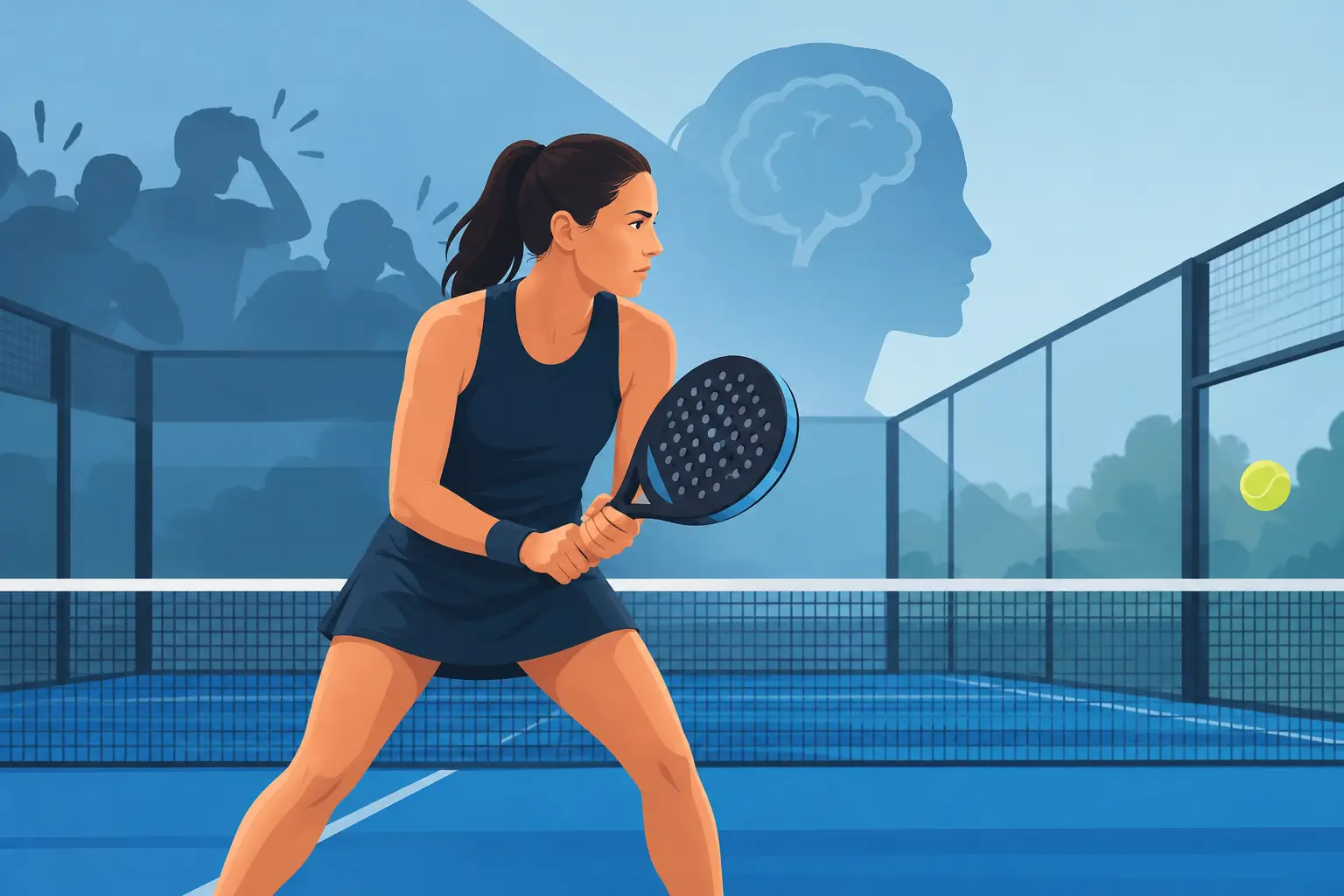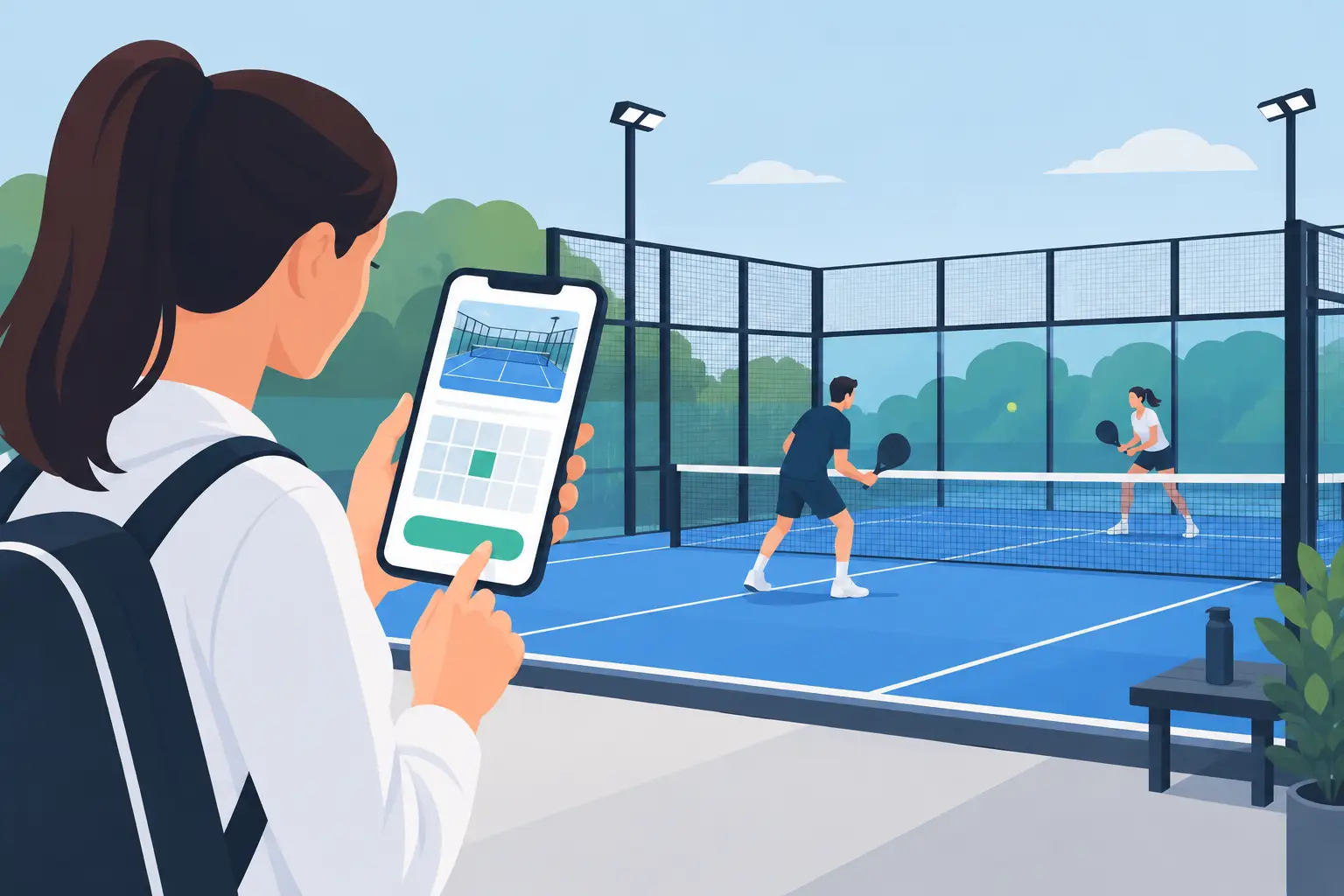
A great padel night can mean two very different things. You might want tight points, a scoreboard that matters and opponents who make you earn every bandeja. Or you might want to walk in after work, meet good people, hit plenty of balls and leave smiling. That is the real question behind league versus socials – not which format is better, but which one fits the way you want to play right now.
Padel gives you room for both. It is fun, fast, furious and brilliantly social by nature, yet it also rewards the players who turn up with purpose. Whether you are brand new to the glass or already chasing sharper movement and smarter patterns, choosing the right session can make every visit more enjoyable.
League versus socials: the key difference
League play is built around progression through competition. Matches are organised, results count and each round gives you a clearer picture of where your game sits. There is a little more pressure, but that pressure is useful. It asks you to serve with intent at 30-all, communicate when the point gets messy and make better decisions when fatigue kicks in.
Socials put the emphasis elsewhere. You still play real points and get a proper workout, but the energy is more relaxed and open. Players rotate, conversations start between games and a missed volley is more likely to get a laugh than a long stare at the back fence. For many people, that is exactly the draw: sport without the admin of gathering four players, plus a ready-made way to meet others who are keen for a hit.
Neither option is a lesser version of the other. A social night can improve your game quickly because you see different playing styles, learn the rhythms of match play and become more confident around new partners. A league can be seriously enjoyable because shared competition creates its own crew, rivalries and post-match chat. The better choice depends on your goal, your current confidence and how much structure you want in your week.
Choose league when you want your game tested
League is the right call when you feel ready to measure improvement rather than simply feel it. Perhaps your serve is becoming more reliable, you are starting to read the bounce off the glass, or you want to stop giving away easy points in the middle of the court. Regular competitive matches expose these moments clearly.
That feedback is valuable. Against familiar standard opponents, you begin to notice patterns: whether you retreat too early, leave your partner too much court, force low-percentage winners or lose focus after a close game. Training can build technique, but league play shows whether that technique holds up when the score tightens.
It also suits players who thrive on routine. A fixture in the diary creates a reason to stay active, and the format gives your development direction from one week to the next. You do not need to be an elite player to join a league. You only need a willingness to compete respectfully, learn on the run and keep turning up.
For advanced recreational players, league offers something harder to find in casual sport: meaningful repetition. You are not just hitting balls. You are practising game management, partnership, patience and the ability to reset after a poor point. Those are the habits that lift a player from capable to consistently dangerous.
Choose socials when you want to play, meet and reset
Social sessions are ideal if you are still finding your feet, returning to sport or simply want padel to be the best part of your evening. You can arrive without locking in a full group, borrow the energy of the session and spend more time playing than coordinating a group chat.
They are particularly good for beginners. Padel is easy to start but has plenty of layers, and a welcoming social format helps you learn without feeling as though every ball is an exam. You can ask questions, try a lob that lands short, laugh it off and go again. The more balls you see, the faster the court begins to make sense.
Socials also work beautifully for busy people. Maybe work has run late, your usual mates are unavailable or you want an active alternative to another night on the couch. A well-run session removes the friction. Bring your energy, get on court and let the game do the rest.
There is a performance benefit here too. Playing with different partners develops adaptability, which is one of padel’s most underrated skills. You learn to communicate clearly, adjust to another player’s tempo and find simple ways to make the partnership work. Those lessons transfer directly to league nights later on.
The deciding factor is your next goal
If your main goal is confidence, choose socials. If your main goal is accountability, choose league. If you want both, do not force yourself to pick one forever.
A smart approach is to use socials as your base and league as your challenge. Play socially to build match comfort, expand your circle and keep the sport feeling light. Add league when you want a regular test of your decision-making and fitness. This combination gives you volume, variety and a reason to keep improving without turning your favourite sport into a chore.
Your stage of life matters too. Someone preparing for a competition may favour league for a block of weeks. A parent with a packed schedule may prefer a social session where everything is organised. A junior athlete may need structured training alongside match experience. There is no single right pathway, only the one that keeps you engaged and moving forward.
Make the most of either format
Whatever session you choose, arrive with one small focus. It could be keeping the ball in play for one more shot, calling every ball early, using the glass rather than avoiding it, or recovering to position after your volley. A simple intention stops you from chasing perfection and gives every game a purpose.
Be a good partner, too. Padel is played as a pair, and the strongest teams are rarely the ones trying to hit the flashiest winners. Encourage the right decision, talk between points and reset quickly after an error. That attitude makes social play more welcoming and league play more effective.
Use the space around the court as part of the experience. At The Padel Lounge, internationally approved full-size courts, a dedicated training-size private court, supplied rackets and balls, scoreboards, spectator seating and café spaces mean the session can be more than an hour of exercise. It can be a proper night out, whether you are analysing a close match or catching up after your first hit.
For players who value privacy, a private court can also create a more comfortable way to learn, train or play with your own group. The best environment is the one that lets you focus on the ball, enjoy the people around you and come back wanting more.
Let your padel week evolve
Do not wait until you feel “good enough” for league, and do not dismiss socials because you take your improvement seriously. Both formats can move your game forward when you show up with the right mindset.
Start where the excitement is strongest. If the thought of a close score gets you fired up, put your hand up for league. If meeting new players and getting plenty of relaxed court time sounds better, join a social session. Then keep building. Every serve, scramble, laugh and well-earned point is part of your game.