The first time you join a padel league, the score can feel like the whole story. It is not. The real win is having a match in the diary, a reason to sharpen up, and a crew that quickly knows your forehand, your competitive streak and your preferred post-game café order. For players across Western Sydney, league night turns a casual hit into something with momentum.
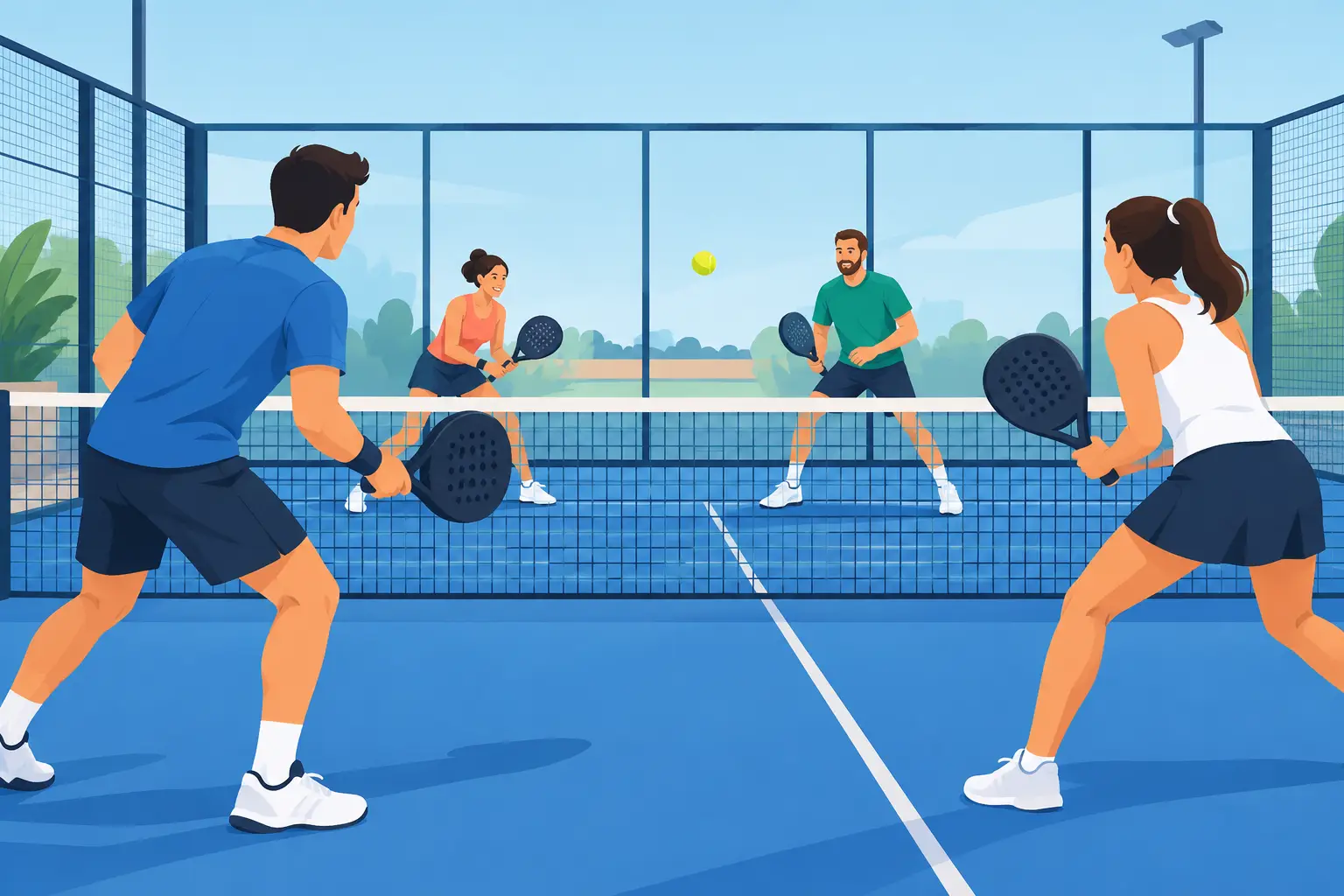
Padel is fun, fast, furious – but it is also deeply social. A league gives that energy a structure. You play regularly, face different pairings, learn how to handle pressure points and see your improvement over weeks rather than trying to judge it from one good rally on a random Tuesday.
Why join a padel league instead of booking casual games?
A casual court booking is perfect when your mates are free and everyone wants a run. But it can be hard to keep that rhythm going. Group chats go quiet, one player pulls out and suddenly your planned game is off.
League competition solves the consistency problem. Your place is set, your weekly match has a purpose, and the format helps keep games competitive without making the atmosphere overly serious. You still get the laughs, the tactical debates and the big points. You also get a clearer pathway to becoming a better player.
Regular match play teaches things that drills alone cannot. You begin to recognise when to slow the ball down, when to use the glass, when to protect the middle and when your partner needs a calm word rather than another risky winner attempt. Those decisions become more natural when there is a scoreline, a time limit and an opponent determined to make you earn every point.
For many players, the community matters just as much. A league is one of the easiest ways to meet people who play at a similar level, especially if your friends are new to padel or your usual group is not available every week. You arrive for a match and leave with future teammates, opponents and people to book social games with.
Who should join a padel league?
League play is not reserved for former tennis players or athletes who have every shot dialled in. Beginners can benefit enormously, provided the competition is organised by level and offers a supportive entry point. You do not need a perfect bandeja to start. You need curiosity, a willingness to move, and the sense to enjoy the occasional ball bouncing off the glass in a direction nobody expected.
If you are new, look for a league that groups players fairly and explains the format clearly. Early matches are about learning positioning, serving consistently and finding your feet with a partner. Winning is a bonus. Repeating good habits is the bigger goal.
Intermediate players often get the most immediate lift from league competition. This is where court awareness, communication and shot selection start to separate close teams. You may have plenty of power, but a league will show you whether you can construct points, stay patient and adapt when the other pair owns the net.
Advanced players need more than a friendly hit to keep progressing. Strong league matches create accountability. They demand better returns, smarter transitions and composure when the score is tight. They also expose the small details worth taking into a coaching session or focused training block.
What a good padel league should give you
Not all leagues feel the same. The right one should make it easy to turn up, compete and enjoy the night, whether you are chasing a podium finish or building confidence after work.
First, the level of play needs to be managed well. A complete newcomer should not be thrown straight into a fixture against a pair who have played for years. Equally, experienced players should be challenged by opponents who can test their tactics and tempo. Fair match-ups create better rallies and make every result feel earned.
Second, the format should keep people involved. Padel Americano-style rotations can be ideal for social competition and meeting new players, while fixed-pair leagues suit friends or established teams who want to build chemistry over a season. Shorter timed matches can work brilliantly for busy weeknights; full sets may better suit players seeking a more traditional competitive test. There is no single best format – it depends on your goals and how much time you have.
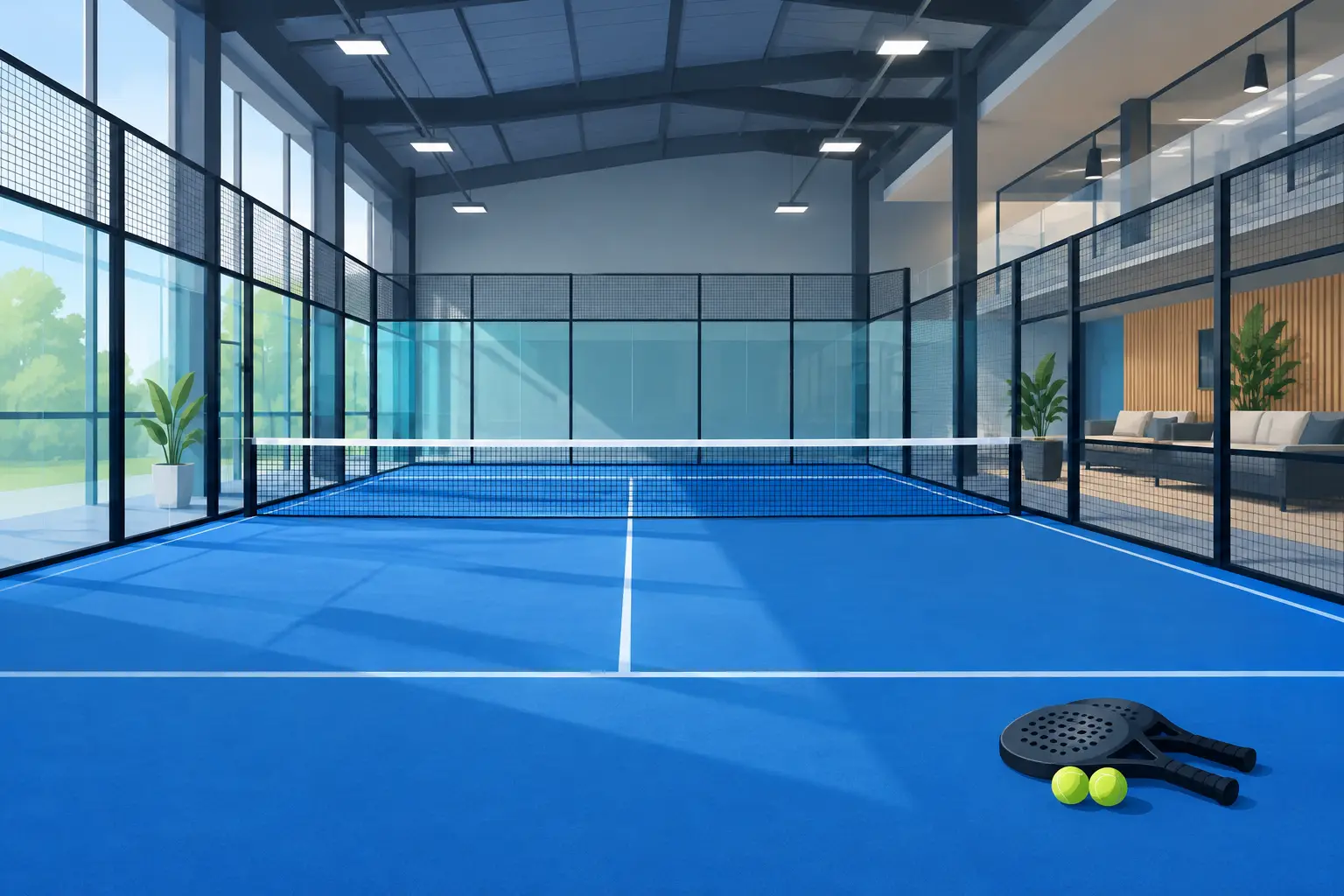
Finally, the setting matters. Indoor courts mean your game plan does not depend on rain, wind or a scorching Western Sydney afternoon. Professional-standard equipment, clear scoreboards, room to spectate and somewhere comfortable to reset between matches all lift the experience. Sport feels better when the venue gives it the occasion it deserves.
How to get ready for your first league night
You do not need a dramatic pre-season. A few intentional sessions will put you in a much better position to enjoy your first matches.
Start by playing at least one social game before the league begins. Get comfortable serving underhand, returning serve and moving with your partner. Padel rewards teamwork far more than solo heroics, so make a habit of talking between points. A simple “mine”, “yours”, “up together” or “great idea” can prevent confusion and keep the mood positive.
Spend time on the shots you will use most. A dependable serve, a controlled forehand and backhand, and a basic volley will take you a long way. Do not chase low-percentage smashes too early. In padel, keeping the ball in play, using the glass intelligently and taking the net together wins plenty of points.
Bring court shoes with reliable grip, water and clothes you can move in. If you do not own a racket yet, that should not stop you. Quality rackets and balls can be supplied, so your first league night does not need to begin with an expensive equipment run. Arrive a little early, introduce yourself and ask questions. The quickest way to feel like part of the community is to be part of the conversation.
The league habits that help you improve faster
The players who progress quickest are rarely the ones trying to hit the ball hardest. They pay attention. After each match, take a minute with your partner to identify one thing that worked and one thing to try next time. Maybe your lobs gave you time to recover the net. Maybe you lost too many points by rushing the first volley. Keep it simple and specific.
Communication is another competitive edge. Decide who takes balls down the middle, call lobs early and avoid blaming language when a point goes wrong. Padel moves quickly and mistakes are guaranteed. A good partner response helps both of you reset for the next ball.
It also pays to play beyond your comfort zone. If you always partner with the same friend, a rotating format can teach you how to adjust to different styles. If you normally play social matches, a ladder or league can reveal how your game holds up under pressure. Neither option replaces the other. Casual games keep the sport light; structured competition gives your development direction.
At The Padel Lounge, that progression can sit alongside social nights, group training, coaching and a premium indoor environment built for both proper competition and a proper catch-up afterwards. Three full-size internationally approved courts, a training-size private court and a venue designed to stay lively from early to late make it easier to keep showing up.
Make the score matter, but not too much
A league should make you want the next point, not make you dread the next match. Take the competition seriously enough to prepare, communicate and fight for every ball. Then leave enough room to enjoy it when a rally becomes chaotic, a teammate pulls off a ridiculous recovery or a new player finds their confidence.
Your first season does not need a perfect win-loss record. It needs consistency. Show up, stay curious, learn from every pairing and give yourself enough matches for the game to click. The next great point is waiting behind the glass – and it is more fun when you have a league night booked to chase it.