Padel moves fast. One minute you are celebrating a clean bandeja, the next you are chasing a ball off the glass with three players crossing paths. This padel court etiquette guide keeps that energy fun, fair and flowing, whether it is your first hit, a social night with mates or a serious league match.
Good etiquette is not about making padel formal or stiff. It is about respecting the people sharing the court, protecting every player’s chance to enjoy the match and keeping the pace high. The best courts have plenty of noise, big points and competitive edge – without arguments, delays or avoidable near misses.
Padel Court Etiquette Guide: Before the First Point
Arrive ready to play. That means appropriate court shoes, comfortable sportswear, water and enough time to meet your group before the booking begins. If you are borrowing a racket, collect it early rather than holding up the first serve. A quick warm-up is part of the session, not an extra ten minutes added before anyone starts scoring.
If you have booked the court, take the lead on the simple stuff. Confirm who is playing, organise the teams and make sure everyone knows the format. For casual games, rotating partners after a set can keep the session social and balanced. For competitive play, agree on scoring, golden point or advantage, and who will call the score before the first ball is served.
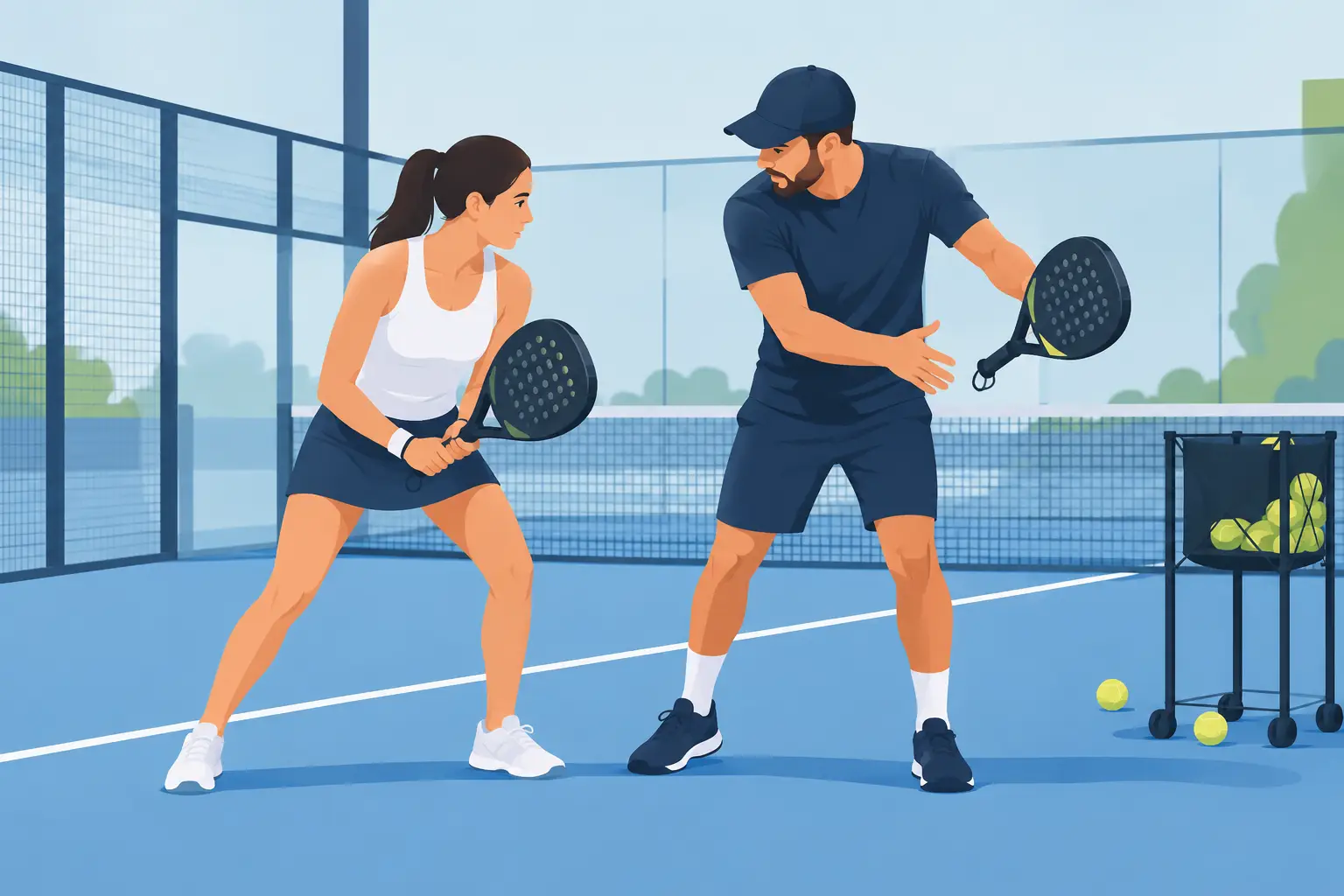
New to padel? Say so. There is no pressure to know every rule straight away, and a quick conversation prevents confusion around serves, walls and lets. Experienced players set the tone here. Offer a clear tip when asked, explain a rule without making a show of it and get the game moving again.
Respect the booking clock
Court time belongs to everyone. Finish your final point with enough time to collect balls, shake hands and clear the court for the next group. If another session is waiting, do not start a fresh game at the buzzer just because the score is close.
The same goes for warm-ups. Keep them purposeful. A few minutes of volleys, groundstrokes, lobs and serves is usually enough to find your timing. Save the technical lesson for a coaching session or dedicated training court booking.
Keep Play Safe, Fast and Fair
Padel is built around quick reactions and close positioning. Safety starts with awareness. Call “mine” or your partner’s name early when taking a ball, especially when both players are moving back for a lob. Clear communication avoids the classic racquet clash and gives your partner confidence to cover their side.
Never swing through a ball when a player is directly in your line or moving close to the net. If the point is already won, ease off rather than drilling the ball at someone. Body shots can happen in competitive padel, particularly on a fast volley, but there is a difference between playing the percentage and taking unnecessary risks.
When a loose ball rolls onto your court, stop the point if it creates a hazard. A loud “let” is enough. Do not keep playing around a ball near someone’s feet – the point is never worth a twisted ankle. Likewise, if your ball enters another court, wait until their point has ended before retrieving it, unless it has become unsafe.
Keep your racket under control after the point too. Frustration happens, particularly when the glass wins a rally you thought you had covered. But throwing a racket, smacking the net or firing balls away changes the mood for everyone. Reset, take a breath and play the next point.
Call your own lines and touches
Padel works best when players are honest without needing an umpire. If your shot lands out, call it. If the ball brushes your racket before going out, own the touch. If you are unsure whether a ball clipped the line, give your opponents the benefit of the doubt or replay the point.
The team on the relevant side of the court generally makes the call. Opponents can respectfully ask what happened, but avoid turning a social match into a courtroom. A calm “I had that out – happy to replay it if we are not sure” keeps things fair and gets everyone back into the action.
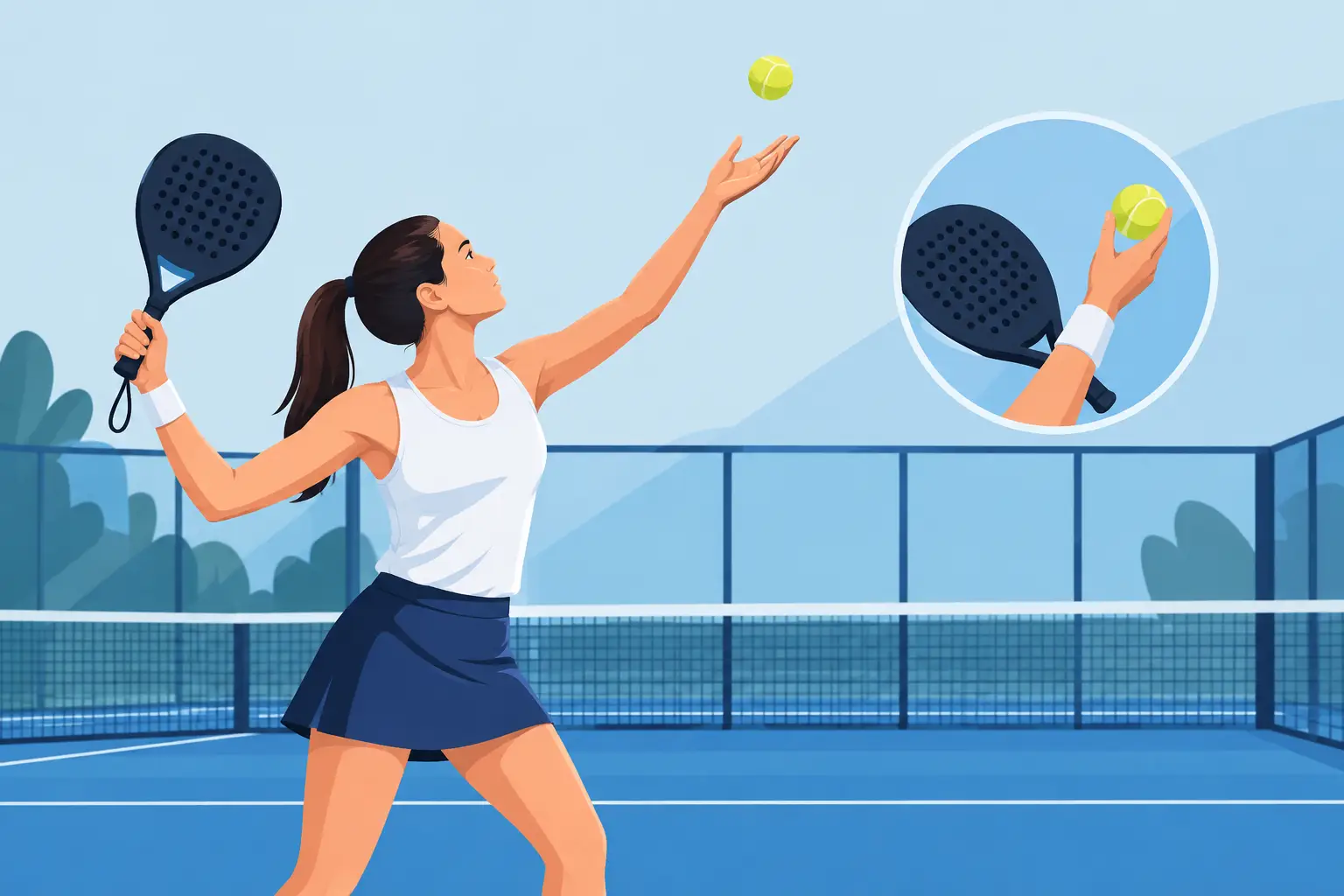
Serving deserves extra care. Call the score before you serve, wait until the receivers are ready and avoid rushing a second serve. The receiving pair should be prepared too. Do not wander into position as the server begins their motion, then complain that you were not ready.
Play Your Partner’s Game, Not Just Your Own
In doubles, etiquette is as much about partnership as it is about opponents. Celebrate the smart decisions, not only the winners. A well-placed lob, a disciplined leave and a patient reset can be just as valuable as a spectacular smash.
Avoid coaching your partner after every missed ball. Even well-meant feedback can feel like pressure when it arrives point after point. If you are the stronger player, focus on clear, positive communication: “Good idea”, “We have time”, “Let’s get the lob back” or “Mine next ball.” If your partner asks for help, keep it simple and save the longer breakdown for between games.
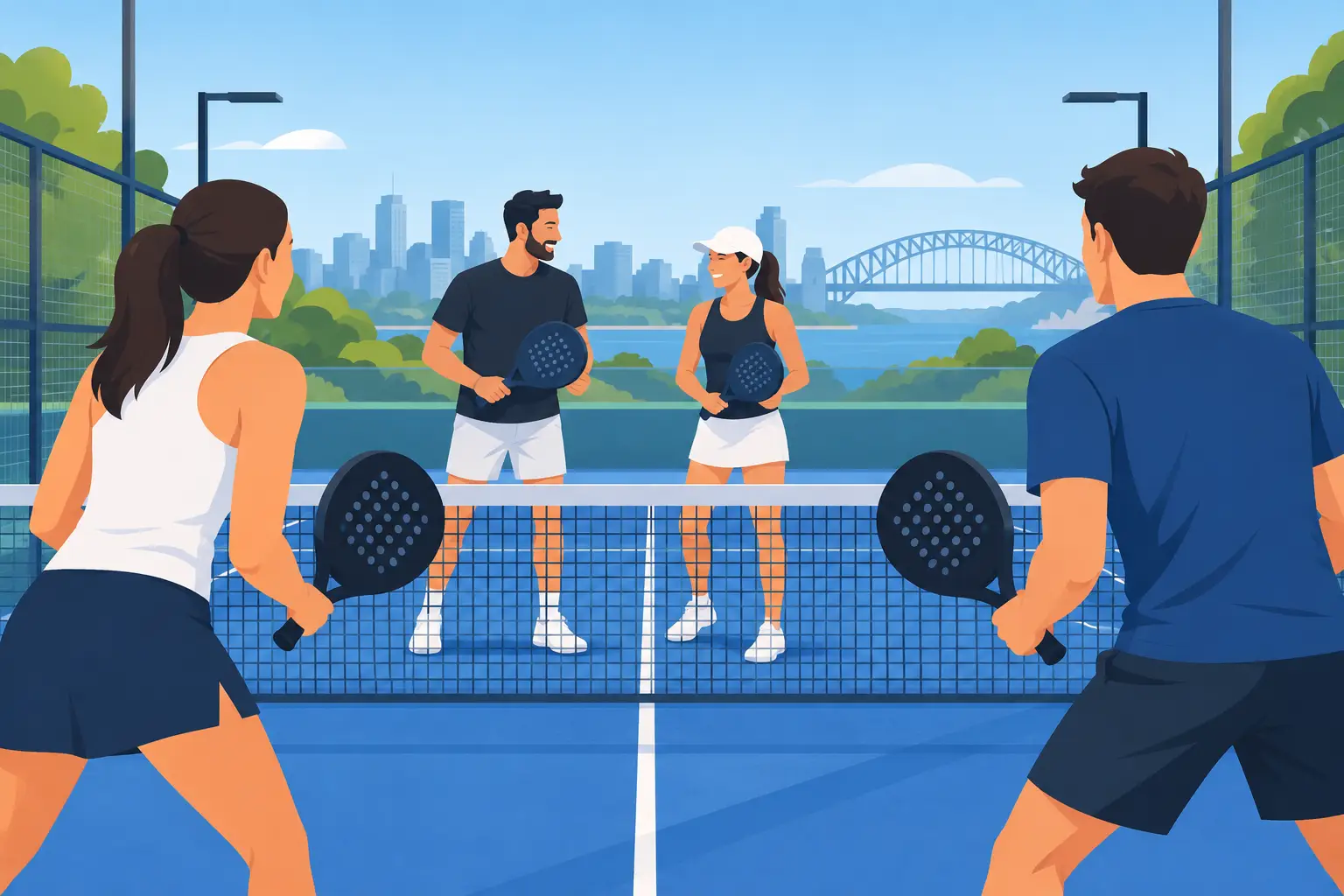
It also helps to acknowledge good play across the net. A quick “too good” after a quality point shows confidence, not weakness. Padel is competitive, but it is also social. The players you face at Tuesday night social could be your partners in an Americano next week.
Manage competitiveness with perspective
Bring energy. Chase every ball. Compete hard in league play. But match the intensity to the occasion. A beginner session, family game or mixed-level social night is not the place to argue over millimetres or target the least experienced player all match.
In stronger groups, tactical play is fair game. If one opponent struggles under pressure at the net, you can play to that pattern. Just keep it respectful. There is a big difference between smart padel and making someone feel unwelcome.
Court Manners Beyond the Rally
Keep the playing space clear. Bags, drink bottles, jackets and spare rackets should stay outside the court or in a safe designated spot, never near a gate or along the playing area. Close the gate after entering and leaving. An open gate can interrupt a rally and creates a risk when players are tracking back quickly.
Treat the court, glass and net as professional playing equipment. Do not lean heavily on the net, climb the mesh or hit the glass in frustration. The walls are there to be played, not tested. Respecting the facility helps keep the experience premium for every group that steps on after you.
If people are spectating, give them something worth watching: effort, sportsmanship and a bit of fun. Keep language appropriate, especially when juniors and families are nearby. Padel has room for personality and friendly banter, but it should never make another player, guest or staff member uncomfortable.
At The Padel Lounge, that community-first mindset matters as much as a sharp volley. The courts are a place to develop your game, meet new players and enjoy the full experience after the final point – so leave the space ready for the next crew.
Etiquette for Social Sessions, Coaching and Private Play
Structured sessions need a little extra awareness. At social nights and Padel Americano events, move promptly when rotations are called. Introduce yourself to new partners, confirm the score format and stay flexible if organisers need to adjust pairings. The point is to play plenty of padel with plenty of people, not to lock in one familiar team all night.
During group training, listen when the coach is explaining a drill and collect balls efficiently. Ask questions, but choose a natural pause rather than interrupting the group mid-demonstration. When it is another player’s turn, stay engaged. Watching their movement and shot choice can improve your own game.
Private court sessions can offer more space for focused practice, privacy and small-group play. That does not remove the need for courtesy. Share repetitions evenly, communicate around drills and agree beforehand whether the session is for coaching, match simulation or a relaxed hit. Clear expectations make the court work better for everyone.
The Standard You Set Matters
Every player contributes to the culture of a court. If you welcome the newcomer, make an honest call, retrieve a stray ball safely and shake hands after a tight tie-break, you make padel easier to love. That is how a fast, furious sport stays open to everyone.
Bring your competitive best, look after your partner and leave enough good energy for the next match. The score disappears quickly. The way people felt playing with you is what gets them back on court.