You have booked a court, grabbed a racket and caught the padel bug. Then comes the question every new player asks: how to find padel partners when your usual mates are busy, curious but not committed, or still think padel is tennis with walls.
The good news is that padel is built for connection. It is played in doubles, rallies stay alive longer, and the best points usually involve a bit of teamwork, a bit of chaos and plenty of laughs. In Western Sydney, finding people to play with is less about knowing the perfect four and more about putting yourself in the right rooms, sessions and conversations.
Start Where Players Turn Up Solo
If you are waiting until you have three other confirmed players before getting involved, you will wait too long. Social padel sessions are the fastest route to a regular crew because everyone arrives with the same goal: get a hit, meet people and enjoy a competitive night without the stress of organising a full court.
Look for organised social nights, round-robin sessions and Padel Americano formats. These formats rotate partners and opponents across several short matches, so you are not locked into one pairing. You might play alongside a complete beginner in one round and against a sharp former tennis player in the next. That mix is part of the fun – and it gives you a far better sense of who matches your pace and personality.
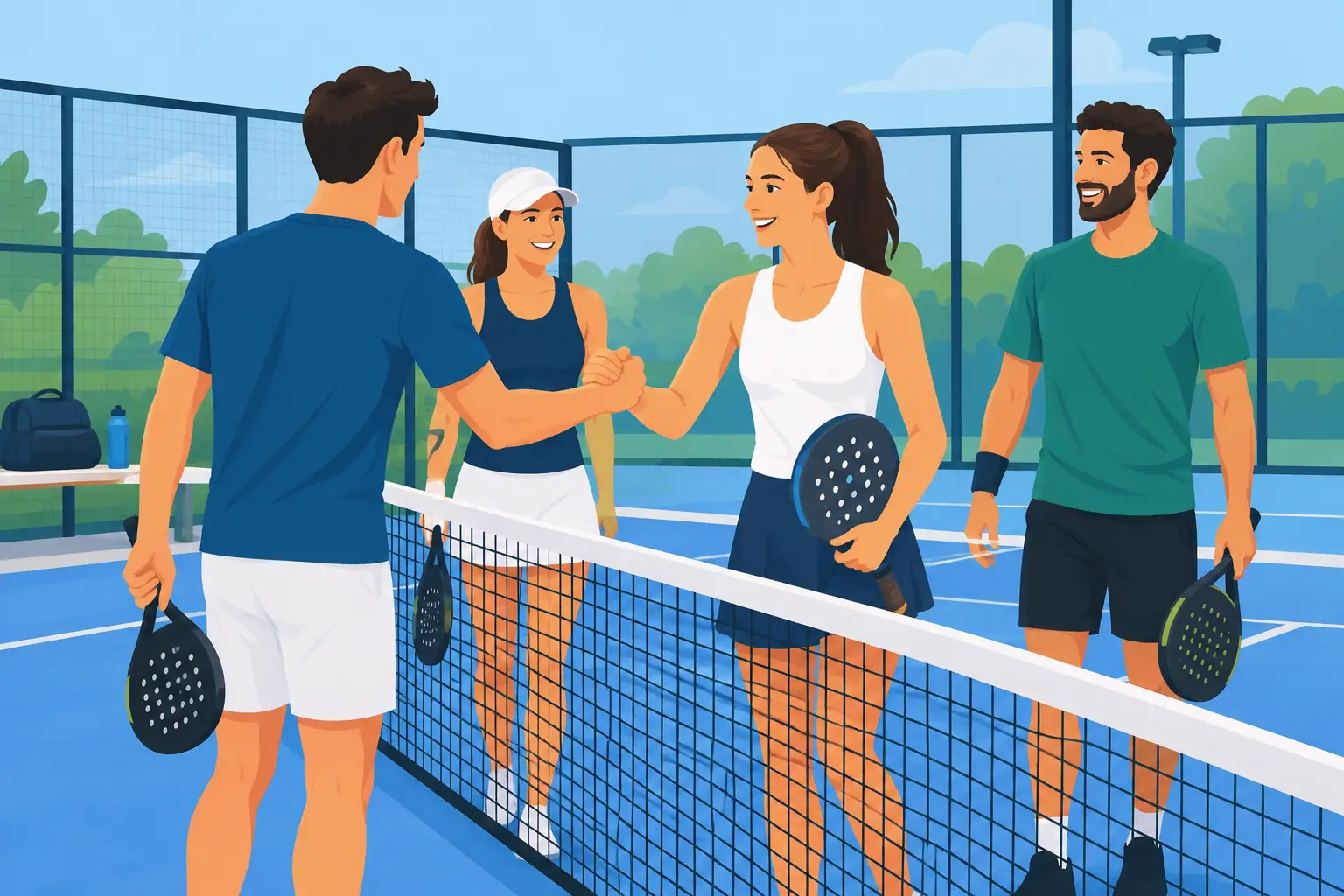
Say hello before the first game rather than disappearing after the last point. A simple “great game, are you here most weeks?” opens the door. Most regular groups began exactly that way: two players who enjoyed a match, swapped details and decided to make it a weekly thing.
Choose Partners by Level, Not Just Friendship
Playing with friends is brilliant, but it is not the only way to build a good padel group. A strong match needs a reasonable spread of ability. If one player is learning to serve while another is smashing every short ball out of the court, nobody gets the rhythm they came for.
When meeting new players, be clear about where you are at. You do not need a formal rating to say you are new, social, intermediate or looking for a quicker, more tactical hit. Mention what you enjoy too. Some players want relaxed rallies and a chat between games; others want scoreboards on, proper match pressure and no easy points. Neither approach is wrong, but matching expectations makes a huge difference.
Give a new pairing two or three sessions before deciding whether it works. Padel has a learning curve, particularly around positioning, using the glass and moving as a pair. A partner who feels unfamiliar in game one may become your favourite teammate once you both understand each other’s habits.
The right partner is not always the strongest player
The best padel partners communicate. They call the middle ball, encourage a reset after an error and do not turn one missed volley into a post-match review nobody asked for. Look for players who can compete hard while keeping the energy positive.
If you are improving quickly, it is also smart to have more than one crew. Keep a social group for easy midweek games and another for tougher matches that test your decision-making. Variety develops your game faster than repeatedly playing the same four people.
Use Group Training to Build Real Connections
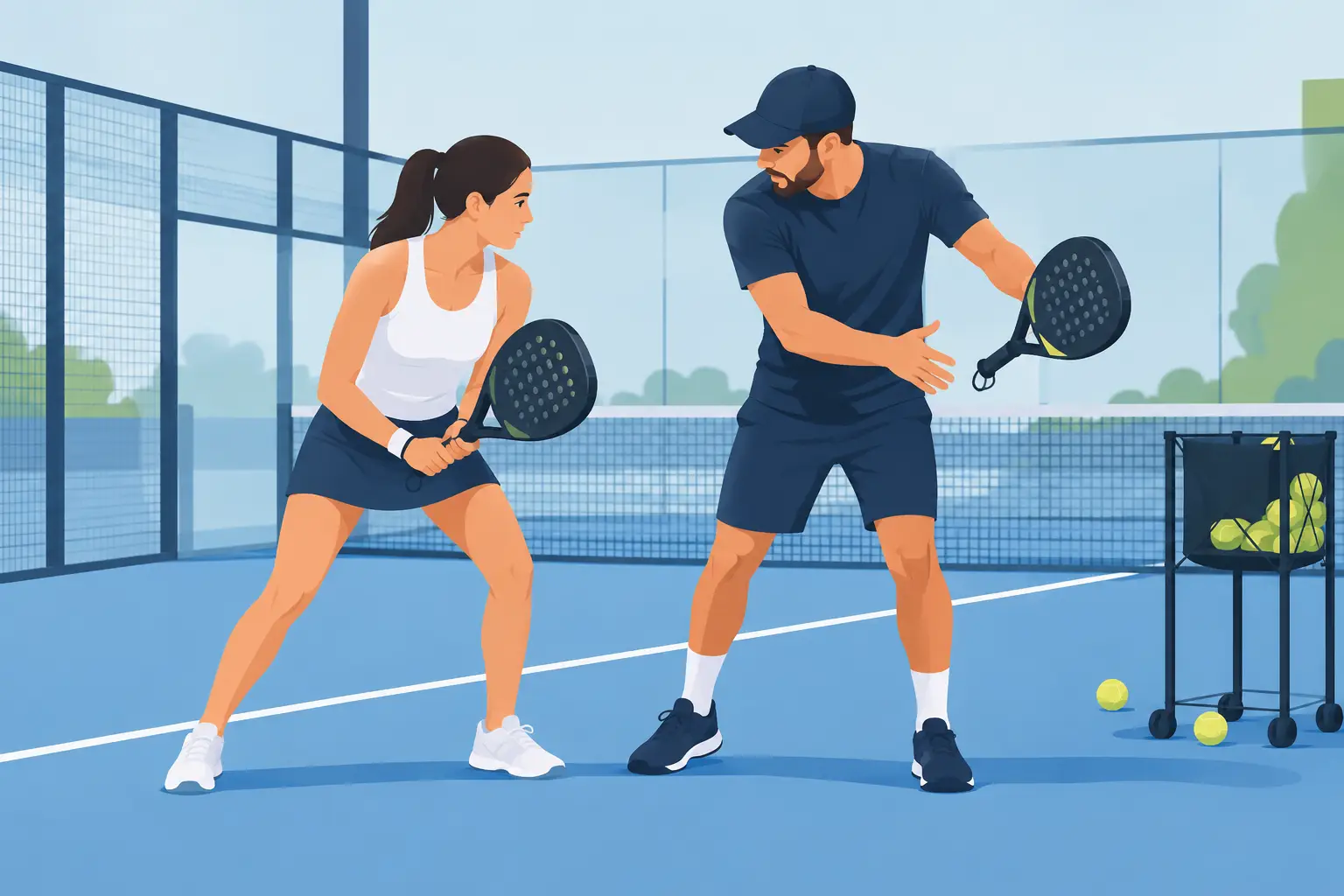
Group training is one of the most underrated ways to meet padel partners. You are not only practising shots. You are seeing how people move, communicate and respond when a drill gets difficult. That is useful information before you commit to a two-hour court booking.
It also removes the pressure of introducing yourself cold. By the time a session finishes, you have already shared rallies, mistakes and a few competitive drills. Ask someone at a similar level whether they are keen for a practice match later in the week. Be specific: offer a day, a time and the kind of hit you have in mind.
For example, “I am looking for an intermediate game on Thursday night, happy to play sets or work on volleys first” is easier to answer than “we should play sometime”. Clear plans turn good intentions into bookings.
Junior players and parents can use the same approach. Structured junior programmes create a natural pathway from coaching into friendly matches, while helping young athletes learn court etiquette, teamwork and competitive confidence. A familiar training group can become a powerful foundation for future league play.
Join Leagues When You Want Consistency
Social sessions are ideal for variety. Leagues are where regular playing habits take shape. If you want a dependable fixture, meaningful matches and opponents who push your level, league competition gives your padel calendar some structure.
You do not need to be an elite player to join. The point of a well-organised league is to place players in competitive divisions where matches feel close. You will learn who stays calm in a tiebreak, who has a dangerous vibora and who is always keen for an extra hit before the fixture starts.
Leagues also solve the awkward organiser problem. Instead of chasing three people through a group chat, wondering who has seen the message, the session already has a time, format and purpose. Turn up, compete and let the relationships build naturally around the court.
At The Padel Lounge, organised social play, training and league formats create those repeat touchpoints in one premium indoor setting. With supplied rackets and balls, you can say yes to a game without needing a boot full of gear. That makes it easier for newcomers to join the action and easier for regulars to bring somebody new along.
Make Your Availability Easy to Act On
Finding partners is not only social – it is logistical. The player who gets the most games is usually the one who makes organising simple. Tell people your usual windows: early mornings before work, a Tuesday night, Friday afternoons or Sunday sessions. Once others know when you are reliably available, invitations start coming your way.
Create a small group chat once you have met a handful of compatible players. Keep it useful and low-pressure. Share open spots, preferred times and last-minute cancellations. Avoid turning it into a flood of vague messages. “One spot free, Wednesday 7 pm, intermediate doubles” gets a better response than “Anyone keen?”
If you cancel, give notice as early as possible. If you take the last spot, confirm promptly. These small habits earn trust, and trust is how you become part of a regular padel community rather than the person everyone is unsure about inviting.
Be the person who brings one new player
Every padel group grows when someone makes the first introduction. Have a colleague who used to play squash? A sibling who is bored of the gym? A mate from football looking for a lower-impact way to stay competitive? Invite them to a social session or an easy first game.
You do not need to coach them through every point. Explain the basics, keep the score relaxed and let the sport do its job. Padel is fun fast furious when the ball starts coming back off the glass, and new players often want another go before they leave the court.
Bringing new people in also helps your own options. Your reliable Tuesday group may eventually become two balanced fours. Your casual hit might reveal a future league teammate. Community works best when players are generous with invitations, not protective of their existing group.
Use Social Media With a Clear Ask
Venue social channels and local community groups can help, particularly when you are brand new or your usual playing partner is away. But posts work best when they contain the details players need: your level, suburb, preferred time, whether you have a court booked and whether you are after social or competitive play.
Keep safety and comfort in mind when meeting someone new. Choose an organised venue, play during busy hours where possible and meet on court rather than sharing more personal details than necessary. If privacy matters to you, a private training-size court can be a comfortable option for a closed group, focused coaching or hijab-friendly play.
Do not judge a potential partner solely by their highlight reel either. A perfectly edited smash says very little about whether they show up on time, enjoy a close match or know how to share the middle. The best test is still a game.
Turn One Good Game Into Your Next Four
After a match you enjoyed, act while the feeling is fresh. Tell the players you would be keen to run it back next week. Suggest a recurring slot if schedules allow, even if it is only fortnightly. Consistency is what turns unfamiliar faces into a proper padel crew.
Some weeks you will have a full court. Other weeks, someone will be sick, travelling or stuck at work. That is normal. Keep meeting new players, stay open to different formats and focus on being a good person to play with. The partners you are looking for are often one social night, one training session or one friendly introduction away.
Bring your energy, bring a willingness to learn, and make the invitation easy. Together, the best padel communities grow one great match at a time.