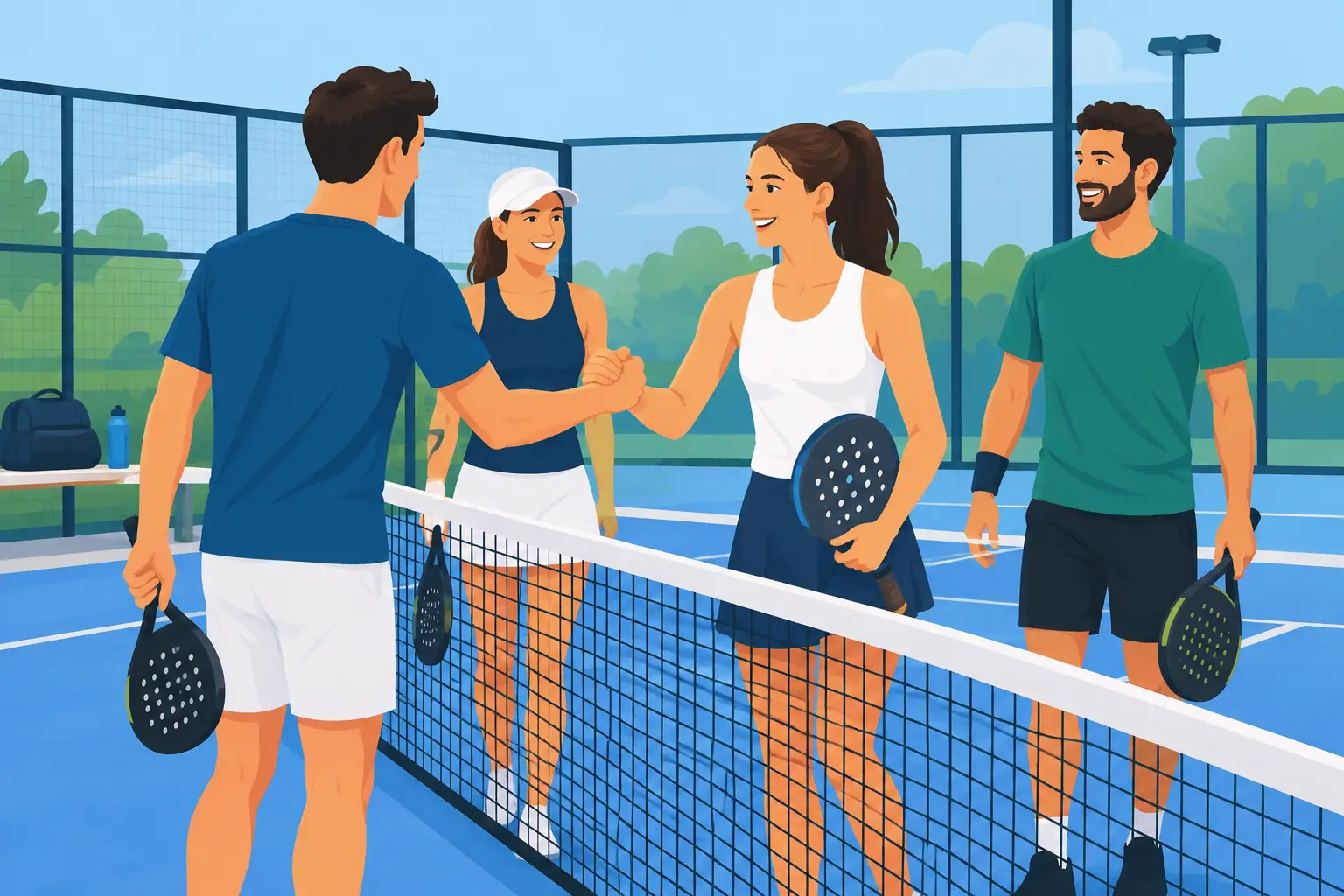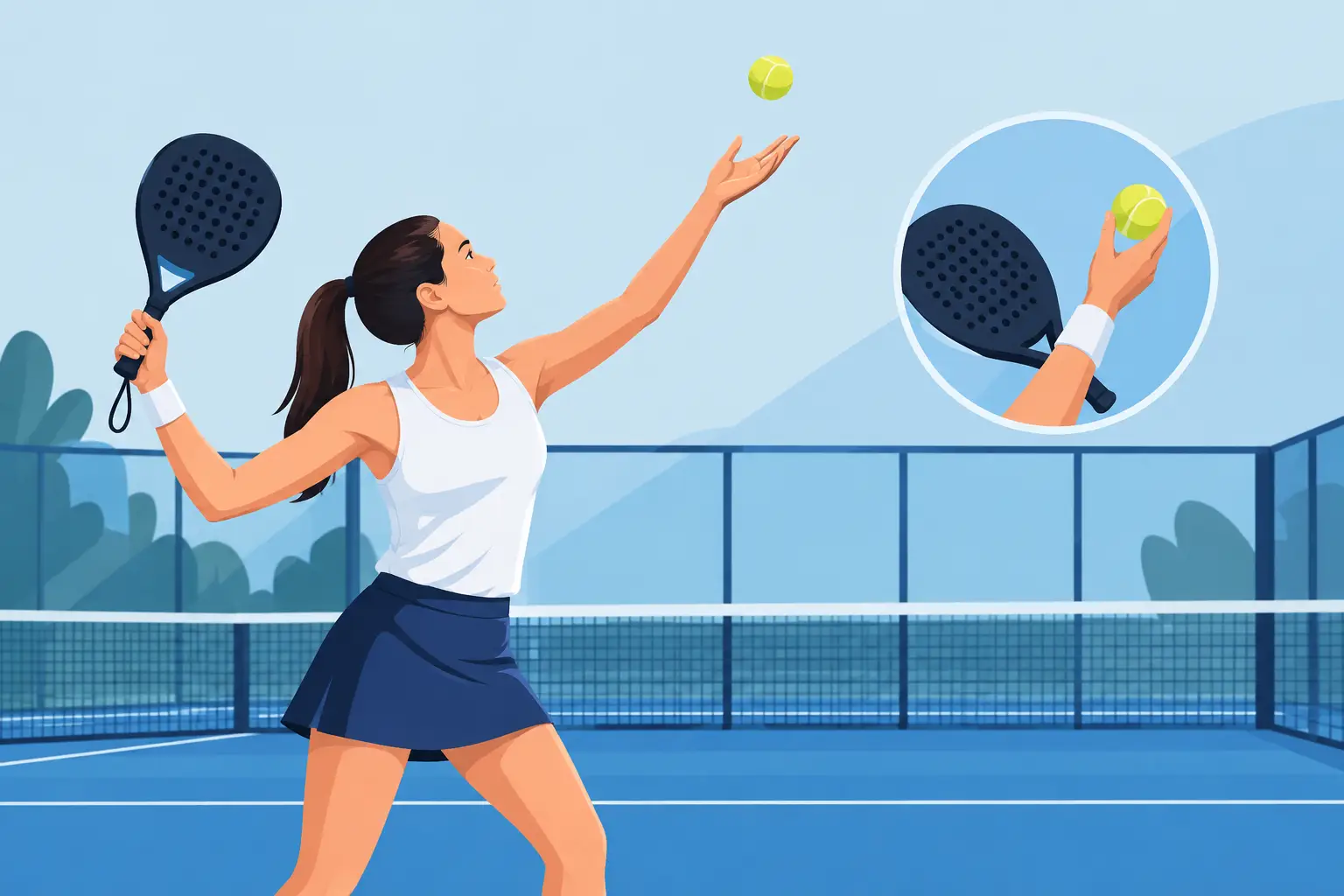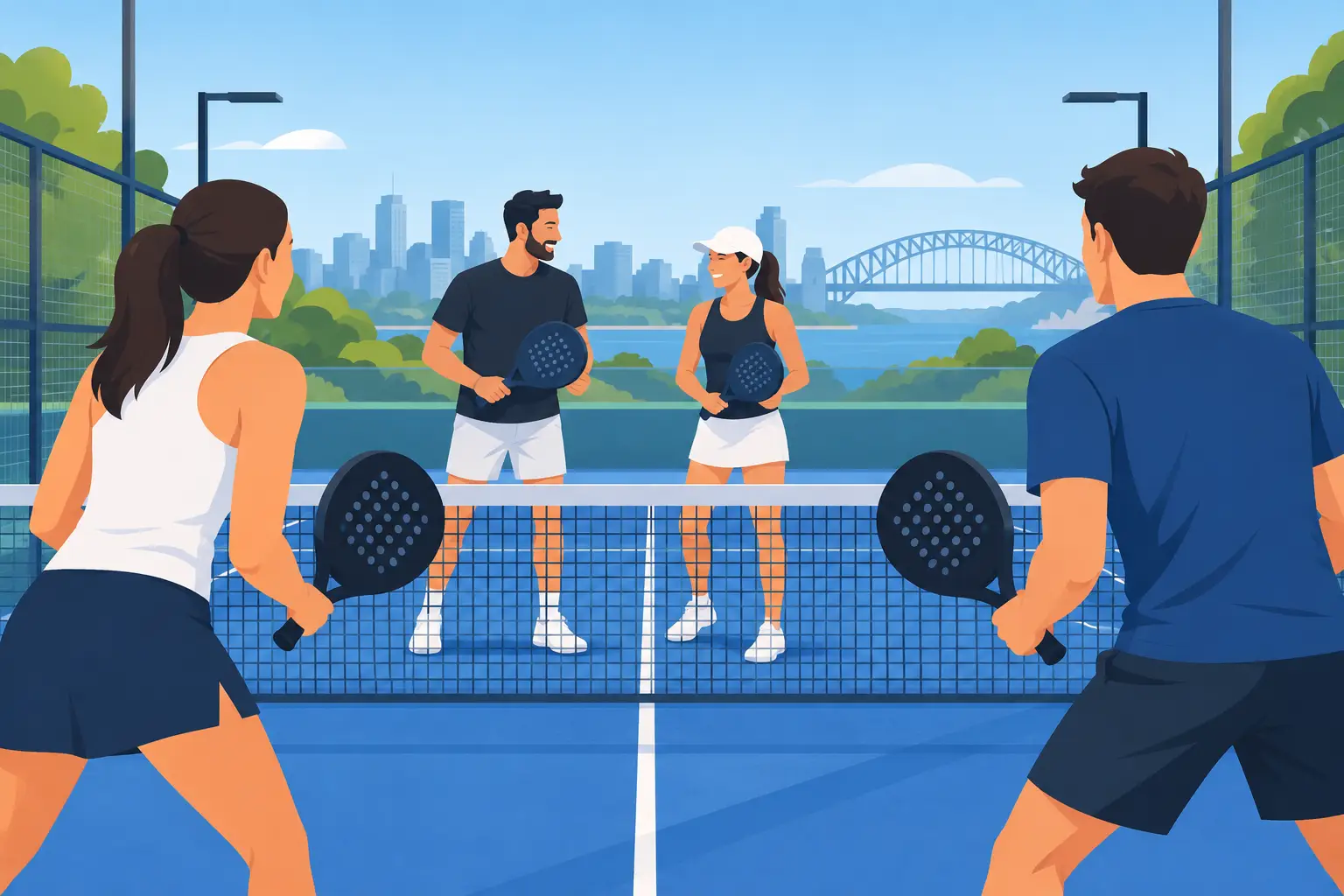
A good hit can make padel feel easy. Great padel coaching quality is what helps that good hit show up again when the score is tight, the ball comes off the glass awkwardly, and your opponents stop giving you the easy option.
For players across Western Sydney, coaching should be more than a basket of balls and a few quick tips between points. It should make the game clearer, more enjoyable and more competitive – whether you are picking up a racket for the first time, bringing the kids in for junior padel, or chasing league results.
Coaching starts with the player in front of you
The strongest coaches do not run every session exactly the same way. A complete beginner needs confidence, simple cues and enough successful rallies to get hooked. An experienced tennis player may need help letting go of habits that do not translate to padel, particularly around positioning, shot selection and patience at the net.
That is why the first few minutes matter. A quality coach watches how you move, how you hold the racket, whether you recover after your shot, and how you respond when the ball reaches the glass. They ask what you want from the game, too. Some players want a fun weekly session with mates. Others want to compete harder, win more points in Americano, or give their junior athlete a genuine development pathway.
The goal is not to make every player look identical. It is to build reliable skills around their current level, athletic background and ambition.
Beginners need clarity, not complexity
Padel is fun fast furious, but it can feel chaotic in the first session. There are walls, a compact court, four players moving at once and more tactical choices than most newcomers expect. A quality beginner session strips away the noise.
You should leave understanding how to serve, where to stand with a partner, why the middle matters, and how to keep a ball in play without trying to finish every rally. The best early coaching gives you one or two things to focus on, then lets you play. Too much technical detail can slow confidence down.
Supplied rackets and balls also make a difference for first-timers. When players can walk in, get set up properly and start hitting quickly, the focus stays on learning the game rather than worrying about gear.
Advanced players need pressure and purpose
For more experienced players, padel coaching quality is visible in the detail. A coach should identify why a player is losing points, not simply tell them to hit harder or move faster.
Maybe the issue is a slow recovery after the bandeja. Maybe it is a net player crowding their partner, a lob played from the wrong position, or an attacking pair failing to close the middle. Good coaching connects technique to the moment it is needed. The shot is not practised because it looks impressive. It is practised because it solves a repeatable match problem.
At this level, drills need consequences. Targets, decision-making, score pressure and realistic point play turn a clean practice shot into a skill you can trust in competition. It is one thing to execute a vibora from a fed ball. It is another to choose it after two defensive lobs while your partner is calling the next ball.
What quality padel coaching actually includes
Coaching is not measured by how exhausted you are at the end. You can work hard for an hour and still leave with no clearer idea of what improved. A strong session has a clear purpose, useful feedback and enough repetition to create change.
A plan for the session
Every session should have a theme. It could be building a stronger return of serve, defending off the back glass, moving as a pair at the net, or recognising when to reset the point. That does not mean the coach reads from a script. Players make errors, conditions change and some groups progress faster than others. But the session should go somewhere.
A clear theme also helps players notice progress. Instead of thinking, “I played alright”, you can say, “I held the net better after my serve,” or “I stopped forcing low-percentage winners from the back.” That is development you can carry into your next social night or match.
Feedback you can use immediately
The best feedback is specific, timely and realistic. “Move better” is not a coaching cue. “After your volley, take two recovery steps towards the middle” gives you something practical to try on the next ball.
Quality coaches also know when to stop talking. Players need to feel the correction, not just hear it. A short cue, a demonstration and several chances to repeat the action usually beat a long explanation at the fence.
Video can be useful for players working on technique, particularly when comparing preparation, contact point and recovery. Still, it is a tool, not the session itself. For many players, live coaching and immediate on-court adjustment will deliver more value than analysing every swing on a screen.
Match play that teaches
Drilling has a place, but padel is a partnership sport. Players must read each other, communicate, cover space and make decisions under pressure. Coaching that never reaches point play can leave people technically tidy but tactically lost.
Good match-based exercises create specific problems. One pair might have to earn the net before they can attack. Another may start each point defending a difficult ball from the back corner. The coach can adjust scoring to reward the habit being trained, whether that is using the lob, maintaining court position or building points with patience.
This is where group coaching can be brilliant. You learn from your own repetitions, but also by watching different solutions from other players. The trade-off is attention: a large group naturally means less individual feedback. Smaller groups or private coaching are better when you want concentrated work on a particular technical or tactical issue.
The court and environment matter more than people think
Great coaches can adapt anywhere, but quality facilities make coaching more effective. Consistent indoor conditions remove wind, glare and weather interruptions, so players can focus on timing and ball behaviour. Full-size, internationally approved courts also allow players to learn spacing and patterns that transfer to proper match play.
A training-size private court offers another advantage. It can create a more focused setting for one-on-one sessions, small groups and players who prefer privacy, including hijab-friendly play. There is room for controlled repetition without the pressure of a busy social court watching every mistake.
High ceilings matter, too. The lob is one of padel’s most valuable shots, and a low roof changes how players practise it. Professional-standard rackets, quality balls, clear scoreboards and comfortable spectator space may sound like extras, but they help create a setting where people take their development seriously and enjoy spending time at the venue.
At The Padel Lounge, that mix of full-size courts, a private training court and social programming means coaching does not sit apart from the wider player journey. You can train a skill, test it in an Americano session, then stay connected to the community that keeps you coming back.
How to choose the right coaching format
There is no single best option. The right format depends on your starting point and what you want next.
If you are brand new, a beginner group is usually the smart move. It is social, affordable and gives you a shared foundation with players at a similar level. You will learn the rules, basic positioning and rhythm of the game without feeling like you need to arrive polished.
If you are stuck on one issue, private coaching can speed things up. A coach can assess your movement, identify the root cause and build a session around it. This is especially valuable before a competition, after a long break, or when you are moving from casual play into regular leagues.
For juniors, the priority is not just early results. Good junior coaching builds movement, coordination, confidence and a love of training. Young players should be challenged, but sessions must remain active and engaging. A child who enjoys the process is far more likely to develop the consistency needed for high-level sport.
Regularity beats the occasional big session. One focused coaching session followed by social play each week can create more progress than a single intense lesson every month. Give yourself time to practise one or two ideas before adding more.
Signs your coaching is working
Progress is not only a cleaner forehand. You may notice that rallies last longer, you panic less under pressure, or you and your partner stop chasing the same ball. You might lose a match but play with a clearer plan and make better decisions. That still counts.
A useful coach reviews progress with you. They can explain what has improved, what needs more time and what to work on during your next game. They should push you without making the sport feel exclusive or intimidating.
The real test of coaching quality arrives after the session, when you step into a competitive rally and know what you are trying to do. Find coaching that gives you that clarity, keep playing with purpose, and let every match become part of your development.