A tennis ball that clips the side fence is a point lost. In padel, it may be the start of the best rally of the night. That is the immediate difference in the padel vs tennis conversation: tennis rewards clean space and powerful striking, while padel turns the court walls into part of the action.
Both sports deliver the satisfaction of a sweetly timed winner, a competitive scoreline and a proper workout. But they create very different experiences once you step on court. If you are choosing a new social sport, returning to racquet sports or looking to sharpen your competitive edge, the right fit comes down to how you like to move, learn and play with others.
Padel vs tennis: the court changes everything
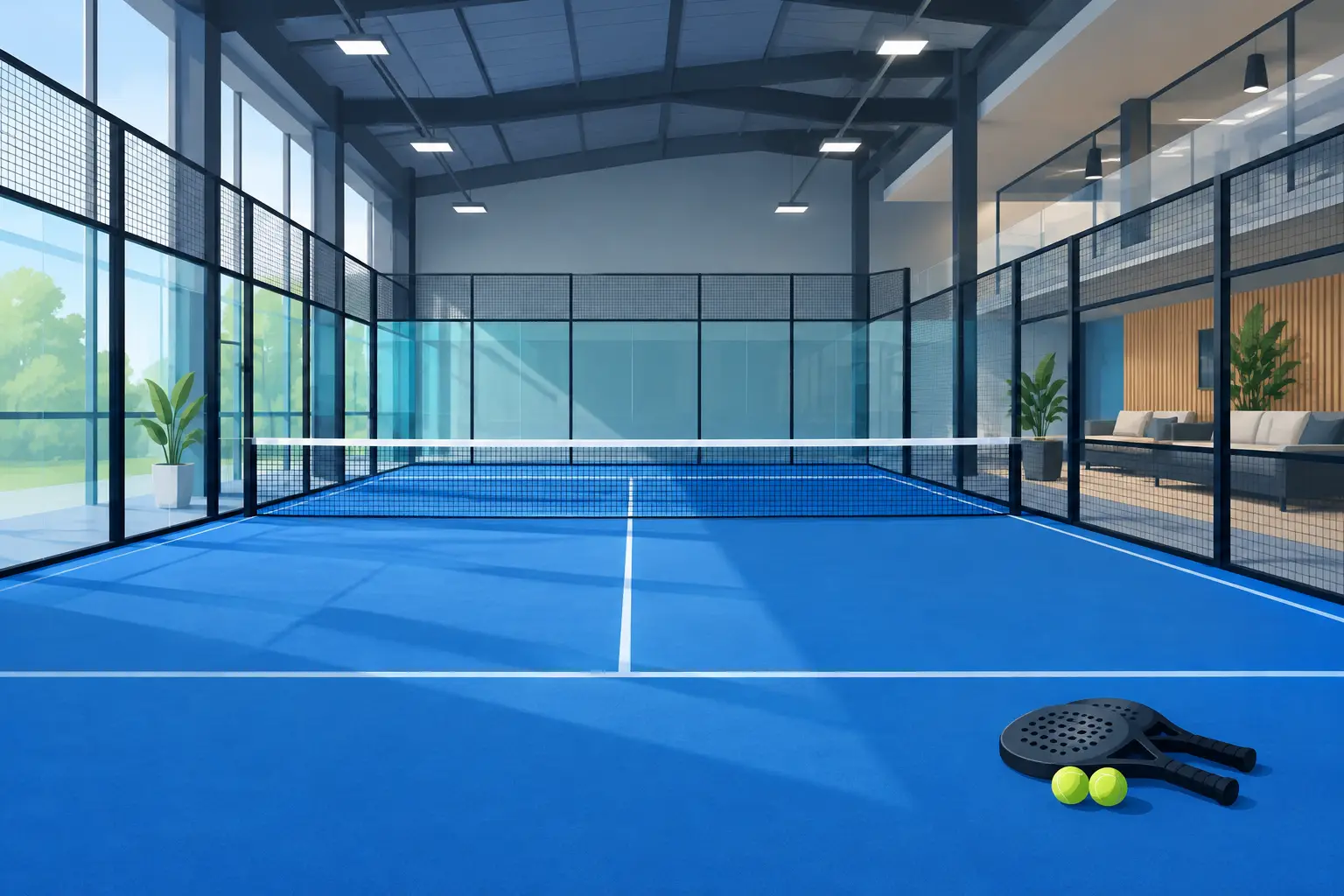
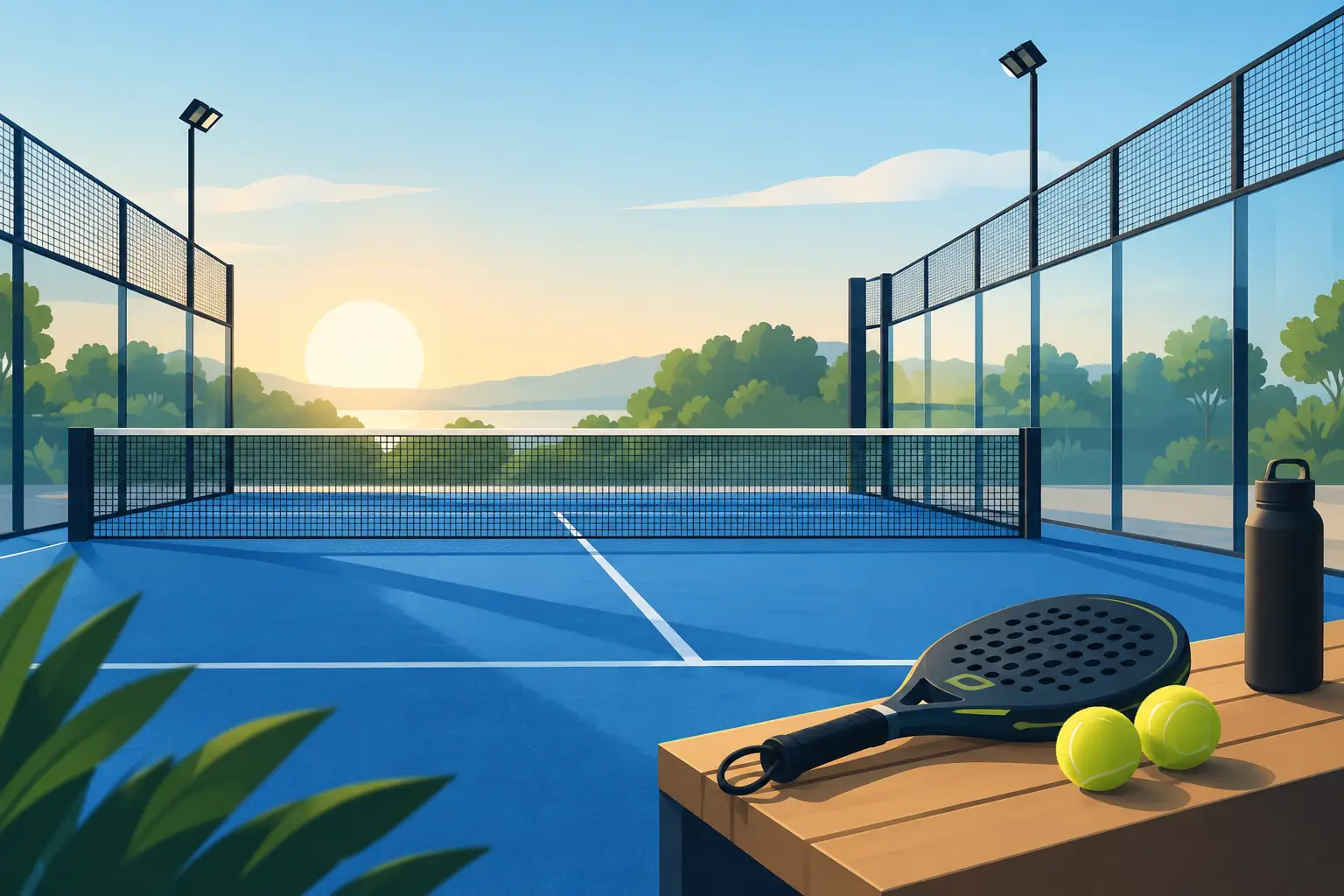
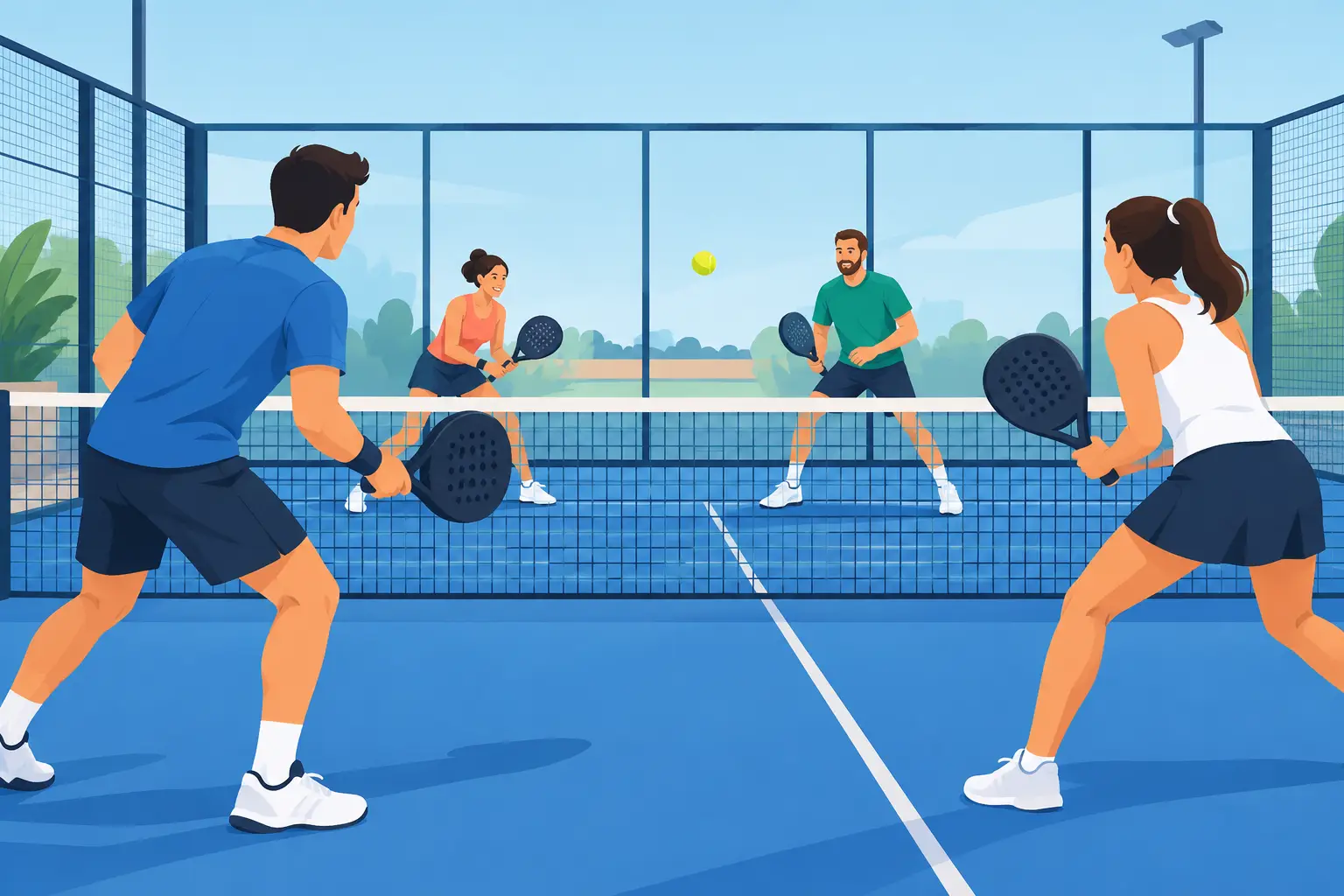
A standard padel court is 20 metres long and 10 metres wide, enclosed by glass and mesh walls. It is noticeably smaller than a tennis court, and it is built primarily for doubles. The compact footprint means players are never far from the action. You can communicate with your partner, cover the court with purpose and stay involved through long, fast exchanges.
A tennis court gives players much more open territory to defend. Singles tennis is a demanding one-on-one test of movement, shot tolerance and court coverage. Doubles tennis is highly tactical too, but the extra width and pace can leave less room for a player who is still finding their timing.
In padel, the glass keeps rallies alive. After the ball bounces on your side, it can rebound off the back or side glass before you return it. At first, that sounds like an extra rule to remember. In practice, it gives beginners more time to read the ball and gives experienced players another layer of strategy. A ball that gets past you is not automatically gone. Turn, let it come off the glass, and reset the point.
That one feature makes padel feel fun, fast, furious and forgiving all at once. It also means a match rarely becomes a serving contest. Smart positioning, patience and teamwork matter from the first game to the last.
Rules and scoring: familiar foundation, fresh tactics
Padel scoring usually follows tennis: 15, 30, 40, game, with sets typically played to six games. That familiarity helps tennis players settle in quickly. The serve is where the sports split. Tennis starts with an overhead serve, often hit at serious speed. Padel uses an underhand serve after bouncing the ball, hit below waist height and diagonally into the service box.
The padel serve is not harmless. Placement, spin and variation can still put a returner under pressure. Yet it is generally easier to put in play, which means points begin sooner and rallies build more often. For new players, that is a big win. You are playing points, not collecting spare balls after missed first serves.
The net is also lower in padel than tennis, and overheads have a different purpose. In tennis, a smash is often a direct finishing shot. In padel, a hard smash can rebound off the back glass and return to your opponents. The better option may be a controlled bandeja or vibora – overhead shots designed to keep your opponents deep and protect your position at the net.
This is why padel rewards thinking a point through. You are not simply trying to hit harder. You are looking for the right height, angle and moment to move forward with your partner.
Equipment: strings versus control
Tennis racquets have strings, longer handles and a larger swing path. They are designed to generate pace, spin and reach across a bigger court. Padel racquets are solid-faced, perforated and string-free, with a wrist strap for security. They are shorter and easier to manoeuvre in tight exchanges near the net and glass.
The ball looks close to a tennis ball, although padel balls are generally lower in pressure. Combined with the smaller court and walls, that keeps the game lively without making every shot feel like it is flying past you.
Tennis has a deeper equipment rabbit hole, especially as you progress: string tension, head size, racquet weight, grip size and string type all affect performance. Padel has its own performance choices around shape, balance, surface and sweet spot, but a newcomer can start confidently with a quality supplied racquet and balls. You do not need to arrive with a boot full of gear to have a strong first session.
Which sport is easier to learn?
For most complete beginners, padel has the gentler entry point. The underhand serve is more approachable, doubles spreads the responsibility, and the walls offer a second chance when your first instinct is to chase the ball too early. A new player can join friends, understand the basics and enjoy real rallies in their first session.
That does not make padel easy. Once players learn to use the glass, defend deep balls and take the net as a pair, the sport becomes seriously technical. Advanced padel is about anticipation, soft hands, precise lobs, aggressive volleying and knowing exactly when not to force a winner. The best players make the court feel small for their opponents and enormous for themselves.
Tennis can take longer to feel fluent because the serve, groundstrokes and open court demand more from the start. However, players who love building a full stroke, hitting with pace and testing themselves in singles may find that challenge deeply satisfying. Tennis also has a long-established pathway of clubs, competitions and coaching options across Australia.
The answer depends on what gets you back next week. If you want early rallies and a social match with mates, padel has the edge. If you want the individual test of constructing points across a large court, tennis may be your sport.
Fitness: different demands, both serious work
Do not mistake padel’s smaller court for an easy session. The movement is sharp and repeated: split steps, quick sprints to the glass, lateral recovery, jumps for overheads and constant adjustments around your partner. Long rallies can quickly raise the heart rate, especially when both teams know how to defend.
Tennis covers more distance, particularly in singles. It often asks for bigger accelerations, longer runs and repeated high-impact serving motions. Players with a strong tennis background may notice that padel feels less punishing over the shoulder at first, largely because of the serve. But each sport places demands on the body, and good warm-ups, footwear and technique still matter.
Padel’s doubles-first format can make fitness feel more sustainable for a wider range of players. You are moving hard, but you are sharing the court. That makes it a compelling option for active adults who want more than a gym session without needing to commit to solo competition every time.
The social difference is real
Tennis can be highly social, especially in doubles and club competition. Still, padel is designed around four people on a compact court, with action that is easy to watch from the side. There is more chat between points, more shared problem-solving and more of those moments when everyone laughs after an impossible ball comes back off the glass.
That social energy matters if your ideal weeknight includes sport and a catch-up, not just exercise. A padel session can suit mixed abilities because experienced players can guide the rally rather than overpower it. Friends who have never picked up a racquet can play alongside people with a sporting background and all feel part of the contest.
For families, juniors and players who prefer privacy, the environment matters as much as the rules. A well-run indoor venue with quality courts, space to spectate and structured sessions makes it easier to turn curiosity into a regular habit.
Should tennis players try padel?
Absolutely, but leave a few tennis instincts at the door. Big swings are not always your friend. Hitting every overhead flat can hand the point back. Standing too far apart from your partner creates gaps that good opponents will find immediately.
Tennis players often arrive with strong hand-eye coordination, volley skills and an understanding of score pressure. Those are valuable advantages. The adjustment is learning to slow down when needed, trust the glass and move as a pair. Padel rewards control before power.
Padel players who try tennis face the reverse challenge: more court to cover, higher serves, longer strokes and less help from the boundaries. The crossover is still worthwhile. Each sport builds useful racquet skills, and playing both can keep training fresh.
If you are curious, do not wait until you feel fully prepared. Book a court with people you enjoy playing with, start with doubles and give yourselves permission to learn the glass one rally at a time. At The Padel Lounge, the court, equipment and community are ready when you are – together, we play.