The best padel courts change the mood before the first serve lands. You walk in, spot a rally flying off the glass, hear a point being called from the next court, and suddenly the usual after-work plan feels far less interesting. That is the pull of padel: fun, fast, furious action that welcomes a first-timer yet keeps experienced players chasing the next level.
A court is not just a marked-out space with a net in the middle. Its design, surface, lighting, ceiling height and surrounding atmosphere all shape how the game feels. For players across Western Sydney, choosing where to play can be the difference between a casual hit and a sport that quickly becomes part of the weekly routine.
What Makes Great Padel Courts?
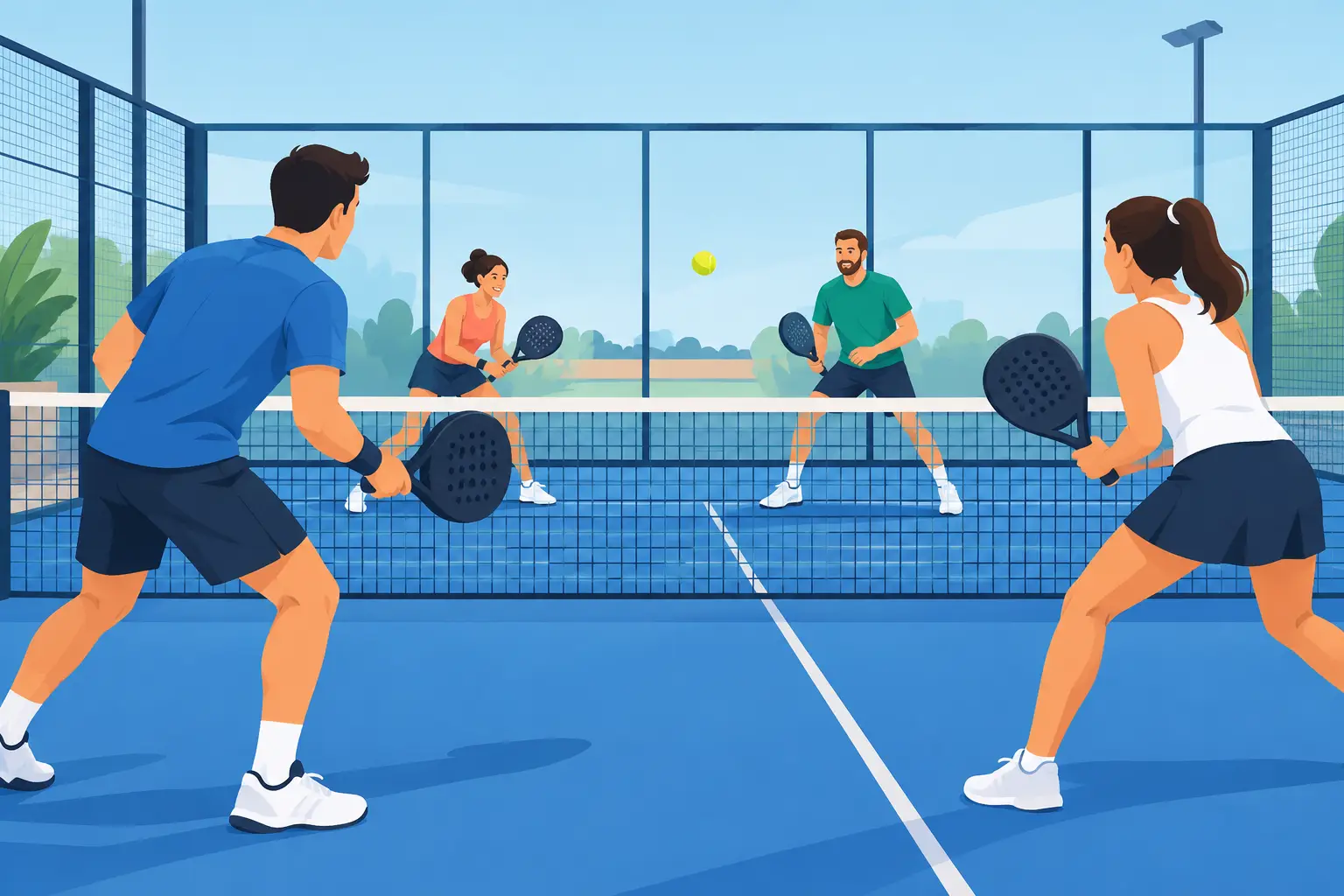
Padel is built for momentum. The court is enclosed by glass and mesh, so points keep moving after the ball rebounds off the walls. That design creates long rallies, quick reactions and plenty of moments where a point that looked finished suddenly comes back to life.
A full-size court should meet international dimensions and standards, giving players the space and bounce they expect in proper match play. This matters for everyone. Beginners learn the game as it is meant to be played, while regular competitors can develop tactics that transfer into organised events, leagues and higher-level competition.
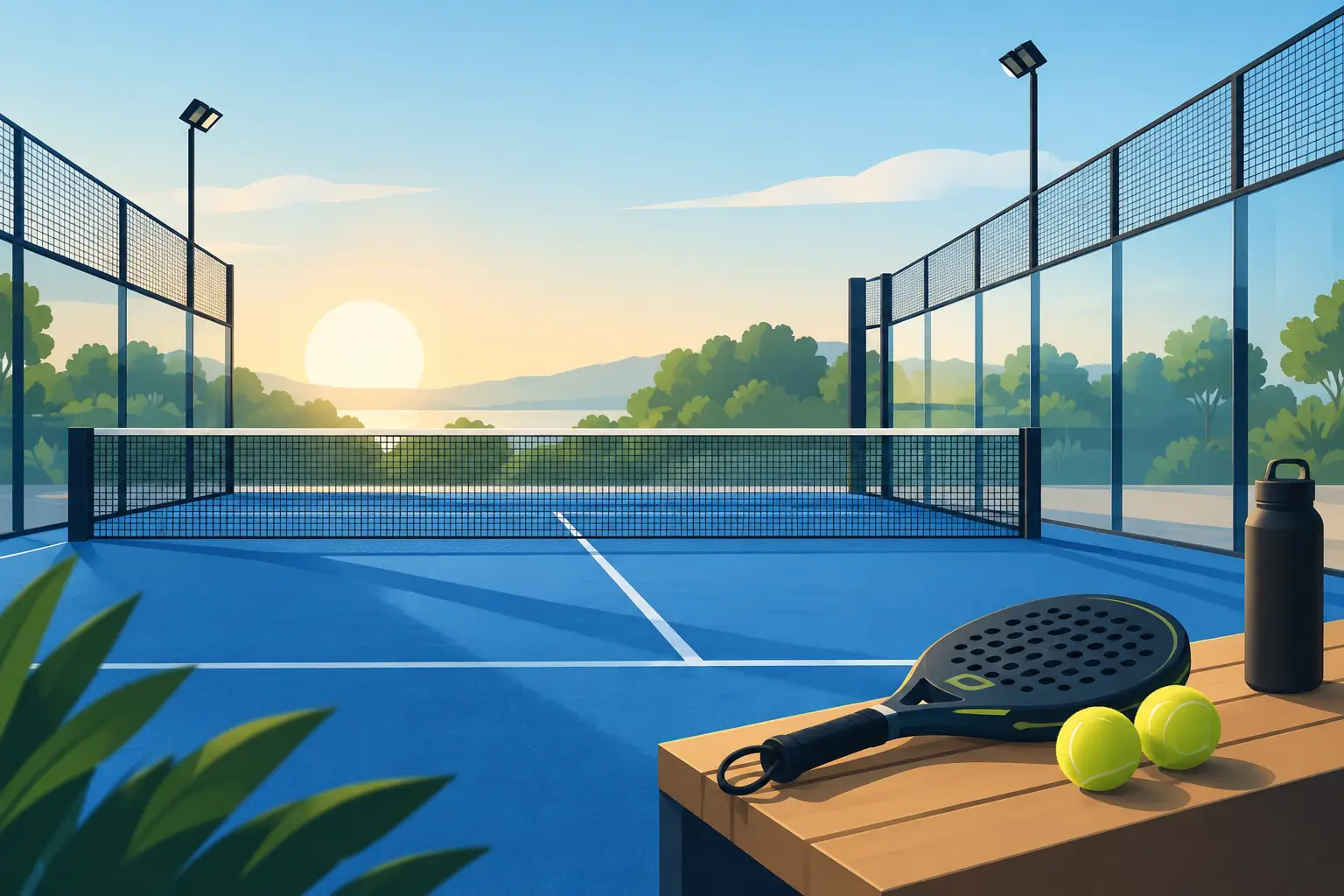
The playing surface matters just as much. Quality turf supports confident movement, controlled slides and cleaner footwork without feeling punishing underfoot. Add clear court lines, reliable net tension and well-maintained glass, and players can focus on the rally rather than second-guessing the setup.
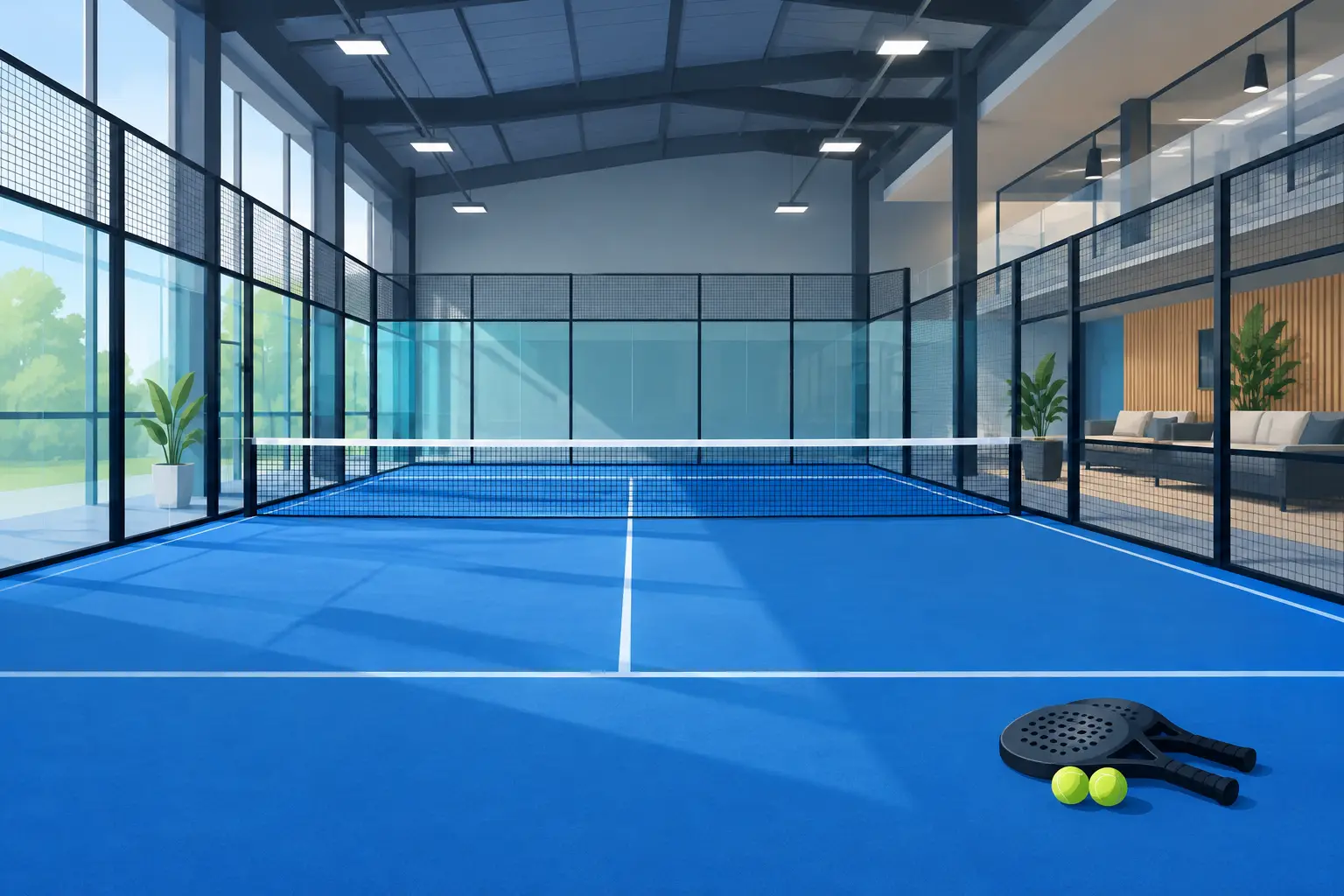
Then there is the space above the court. Padel includes defensive lobs, attacking overheads and high balls that demand room to travel. Indoor courts with high ceilings give players the freedom to play the full game, rather than holding back every time the ball rises. Good lighting also keeps the ball easy to track, particularly in quick exchanges at the net where split-second decisions count.
Indoor play keeps the game moving
Outdoor sport in Sydney can mean scorching heat, rain, wind or a last-minute weather check that disrupts the plan. Indoor padel removes that uncertainty. You can book a session before work, bring the crew after dinner or lock in a regular game without watching the forecast all day.
It is not only about convenience. A well-designed indoor venue makes the experience feel focused and social at the same time. The energy stays inside the building: music, rallies, spectators, coaching and post-match chat all happening under one roof. You arrive to play, but it is easy to stay longer.
The Court Should Work for Every Player
Padel is famously easy to start because the court does some of the work. The enclosed walls keep more balls in play, the racket is manageable, and doubles means no one has to cover the whole court alone. Still, a welcoming venue makes that first session much easier.
Having rackets and balls ready to use removes the need for a big gear commitment. New players can turn up in suitable activewear and court-friendly shoes, learn a few basics and get into a rally quickly. The first goal is not a perfect bandeja or a flawless backhand. It is finding the ball, using the glass and having a laugh with the people on court.
For more experienced players, the expectations rise. They need consistent court conditions, scoreboards, quality equipment and organised ways to find competitive matches. They also need a venue where training is taken seriously. Progress comes from repetition, purposeful coaching and playing opponents who ask better questions of your game.
That is why a mix of court formats can be so valuable. Regulation-size courts create the right setting for doubles, leagues and social competition. A training-size private court offers a different kind of value: targeted coaching, technique sessions, family play or a more private environment for players who prefer it. It can also support hijab-friendly sessions, making space for more people to enjoy the sport on their terms.
From First Rally to Proper Competition
The quickest way to lose confidence is being thrown into a game with no idea where to stand or what the glass is doing. The quickest way to fall in love with padel is the opposite: a friendly introduction, players around you who explain the basics, and enough structure to feel involved from the first point.
Social nights are brilliant for this. You do not need to convince three mates to commit, and you are not locked into playing only people you already know. Formats that rotate partners and opponents create plenty of touches, new connections and a level playing field across the night. You leave knowing more faces than when you arrived.
Padel Americano takes that social energy and gives it a competitive edge. Players rotate through short matches, earn individual points and keep chasing the leaderboard. It is active, social and unpredictable. One strong rally can shift your momentum, while a new partner challenges you to adapt quickly.
For players who want more than a weekly hit, group training builds the foundations that casual games often skip. Court position, serving patterns, volley control, wall defence and communication are not flashy in isolation, but they are what make a team difficult to beat. Coaching also helps players break habits before they become permanent, especially when learning overhead shots and using the back glass with purpose.
League competition is where those skills get tested. It gives regular players a reason to train, a clear measure of improvement and the edge that only meaningful points can create. The aim is not to make every session intense. It is to offer a pathway: social when you want it, structured when you are ready, competitive when you have earned it.
A Better Session Does Not End at Match Point
Traditional court hire can feel transactional. You arrive, play, pack up and head home. Padel has the potential to be much bigger than that because doubles naturally creates conversation. There is always a debate about whether the ball nicked the glass, a replay of the best rally, or a plan for the next match.
The venue should make room for those moments. Lounge areas, spectator seating, café service and a comfortable place to reset between games turn sport into a genuine social plan. Friends who are not playing can still watch, juniors can be supported by family, and a close match can draw a crowd without anyone feeling in the way.
Practical details count too. Easy parking, Wi-Fi, long operating hours and keyless entry take friction out of fitting sport around work, school and family life. These are not glamorous features, but they are often the reason a good intention becomes a weekly booking.
At The Padel Lounge, the goal is to pair that polished indoor experience with real player development: full-size internationally approved courts, a dedicated private training court, professional equipment and a community that wants to see Western Sydney produce serious padel talent.
How to Get More From Your Court Time
Start with the right expectation. Padel rewards patience more than power. A hard hit may finish the occasional point, but controlled shots, smart placement and good teamwork win far more rallies. Use the walls rather than fearing them. Give yourself time to let the ball come off the glass, then play the next shot with intention.
If you are booking with friends, mix the teams up across sessions. Playing with different partners teaches communication and exposes gaps in your game. If you are joining an organised session, lean into the unfamiliarity. The people you meet on court can become your regular hit, your league partner or the reason you keep showing up on a cold weeknight.
For juniors, consistency is the advantage. One coached session a week, plus games that stay fun, builds movement, coordination and confidence without making sport feel like a chore. For adults, the same principle applies. Small improvements compound quickly when you play regularly.
The right court gives every rally a chance to become something bigger: a new skill, a close contest, a fresh friendship or the start of a proper sporting habit. Bring your crew or come on your own. The ball will stay in play long enough for you to find your place.