A child’s first proper rally is often the moment padel clicks. The ball comes back off the glass, they grin, and suddenly they want one more point. So, can children play padel? Absolutely. With the right equipment, age-appropriate coaching and a court environment built for learning, padel is one of the most accessible racquet sports for young players.
It is fun, fast, furious – but it does not need to be intimidating. Padel gives kids plenty of touches on the ball, keeps them involved in the action and rewards teamwork as much as big shots. For families across Western Sydney, it can be a brilliant way to get moving, build confidence and find a sport they genuinely want to return to.
Can children play padel safely?
Yes, provided the session matches the child’s age, coordination and experience. Padel is played with solid rackets rather than long-strung racquets, and the underhand serve makes the game easier to begin than sports with an overhead serve. The enclosed court also means fewer balls disappearing across a park or neighbouring court.
That said, the glass, fencing and close quarters are part of the game, so young players need clear boundaries. They should understand when it is safe to chase a ball, when to call for it, and when to let a partner take the shot. A coach or supervising adult can make a major difference in those early sessions, particularly for children who are still learning spatial awareness.
The best start is not about playing at adult speed. It is about rallying, moving well and making smart decisions. Keep the ball softer or slower where needed, shorten the court for smaller children and use simple games that teach control before power.
What age can kids start playing padel?
There is no single magic age. Many children can enjoy introductory padel activities from around five or six, especially when the focus is on hand-eye coordination, balance and hitting a ball over a low net. Structured match play generally makes more sense once a child can follow basic instructions, share a court safely and sustain attention for a session.
For younger kids, the goal is movement and enjoyment. They might practise rolling, catching, bouncing and tapping the ball, then progress to short rallies. Older children and teenagers can develop the full game quickly, including serving, using the walls, positioning with a partner and playing points.
It depends on the child, not just the number on their birthday cake. A confident seven-year-old with good coordination may be ready for a beginner group, while a sporty ten-year-old who has never held a racket may benefit from a gentler introduction. There is no downside to starting simple. The win is helping them feel capable from day one.
Why padel works so well for junior players
Padel offers a rare mix: it is easy to get a rally going, but there is plenty to learn as a player improves. The court is smaller than a tennis court, so children are not spending every point sprinting after unreachable balls. The walls keep rallies alive and turn mistakes into playable shots, which means more action and fewer long pauses.
It is also naturally social. Most padel is played in doubles, asking children to communicate, encourage a partner and think beyond their own racket. A junior who is not drawn to individual sport may find that team element far more welcoming.
Then there is the tactical side. Players learn that smashing every ball is not always the answer. They begin to recognise space, choose safer targets and stay patient in a rally. Those habits develop athletic intelligence that carries into other sports too.
For teenagers, padel can be a fresh alternative to repetitive training or screen time. It is competitive without requiring years of technical development before it becomes enjoyable. A new player can have a real game with mates early on, then keep improving through coaching, social play and leagues.
The right gear makes a better first session
Children do not need a full kit bag to try padel. A suitable racket, balls, comfortable clothes and enclosed court shoes with good grip are enough. The racket matters most. Adult rackets can feel heavy or unwieldy in smaller hands, causing poor technique and sore arms. Junior rackets are lighter, easier to manoeuvre and better suited to building a clean swing.
Shoes should support quick changes of direction. Running shoes may be fine for an initial session if they have reliable grip, but purpose-made court shoes become worthwhile once a child plays regularly. Avoid thongs, casual slides or anything with a slippery sole.
Hydration is part of the setup as well. Indoor play removes the glare and harsh summer sun, but kids still work hard during a fast-paced session. Bring a water bottle, take short breaks and make sure they are fuelled before longer training blocks.
At The Padel Lounge, professionally supplied rackets and balls take away a major barrier for first-timers. Families can focus on the experience rather than buying equipment before they know whether padel will become their new favourite sport.
How junior padel should be taught
A strong junior session has structure, but it should never feel like a lecture. Kids learn best when instruction is brief and the next activity gets them moving straight away. Coaches can use mini challenges, cooperative rallies and point-based games to build skills without draining the fun out of the room.
Early lessons should cover a ready position, simple forehand and backhand contacts, underhand serving and safe movement around a partner. From there, children can start using the glass, returning balls after the bounce and understanding where to stand in doubles.
The order matters. Technique gives players a foundation, yet over-coaching can make a young beginner freeze up. Let them experiment. Let a funny wall bounce become a learning moment. Praise the brave attempt, not only the perfect winner.
As ability grows, coaching can become more performance-focused. Junior players can work on volleys, lobs, court positioning, transitions to the net and decision-making under pressure. This is where padel becomes seriously addictive: every session reveals another layer of the game.
Keeping it safe, social and positive
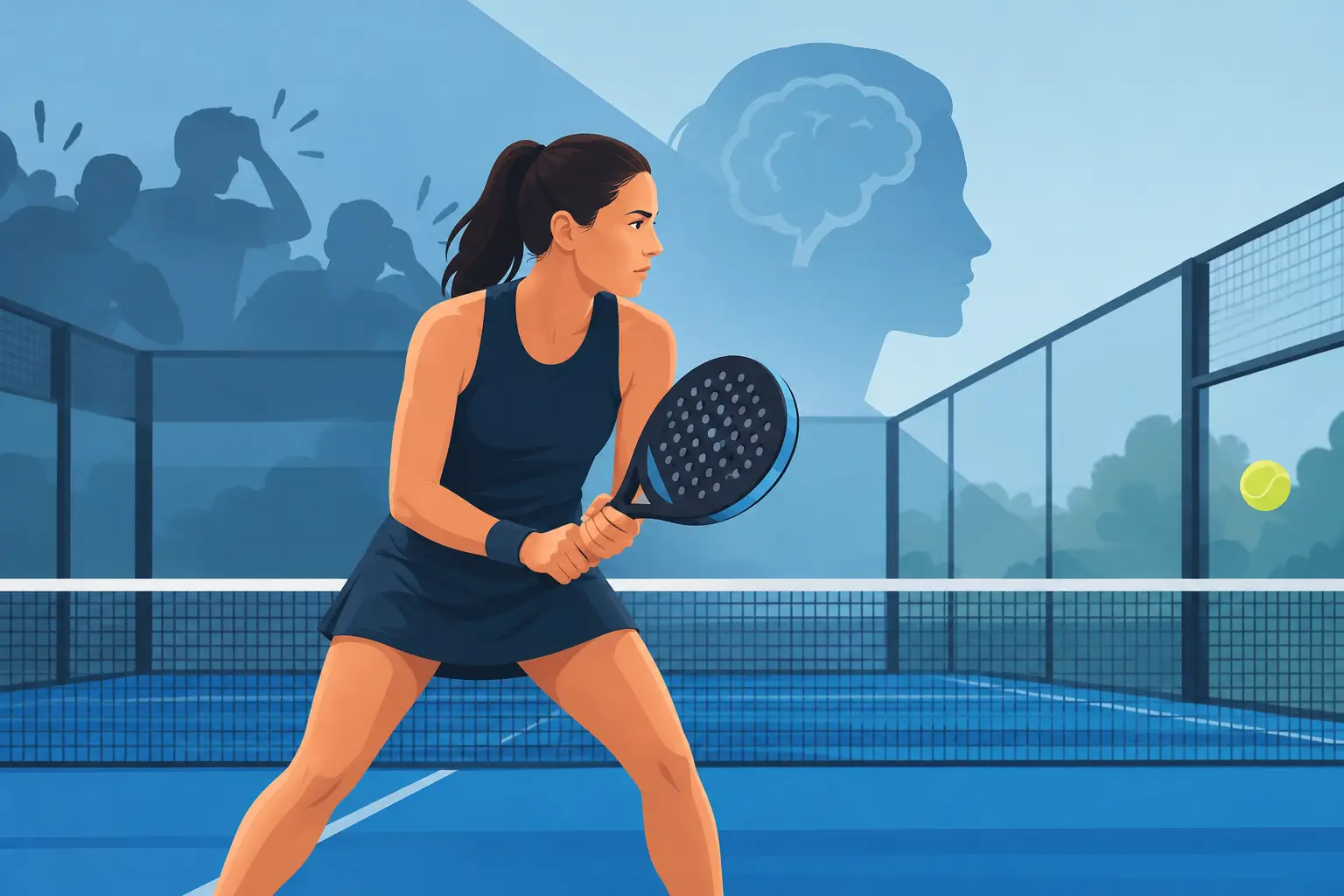
The biggest risk for young players is often not physical. It is feeling embarrassed, left out or pressured to perform. Parents and coaches set the tone. Keep first experiences relaxed, pair children with supportive players and judge progress by effort, awareness and enjoyment rather than the scoreline.
A few practical rules help everyone have a better time:
- Use a racket size and ball speed suited to the child.
- Teach kids to call “mine” and give their partner space around the ball.
- Keep an adult or coach nearby when beginners are learning the walls.
- Build in water breaks, especially during longer sessions.
- Stop if a child has pain, dizziness or a knock that needs checking.
The trade-off is simple: pushing children into full-speed adult games too early can make padel stressful, while making every session overly controlled can remove the thrill. The sweet spot is a challenge that feels exciting, with enough support that they can succeed.
From family hit to junior pathway
A casual family game can be the perfect gateway. Parents do not need to be expert players. Start with cooperative rallies and a simple target, such as five shots in a row. Once everyone is comfortable, introduce serves, scoring and doubles positions.
For children who catch the bug, junior group training gives them regular coaching and a group of players at a similar stage. It creates routine, friendships and visible progress. A child who begins by simply getting the ball over the net can soon be asking how to play a better lob or win the net.
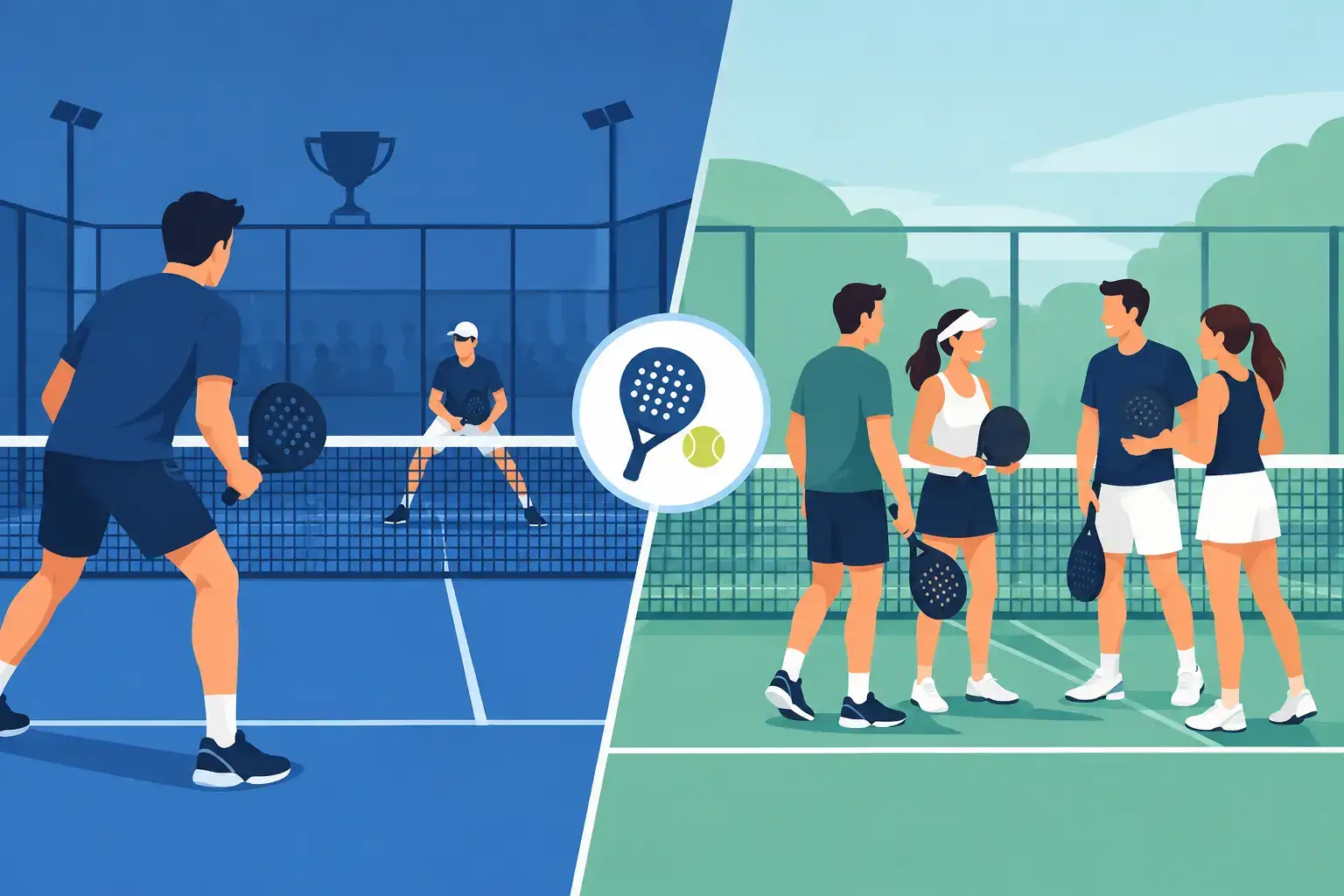
There is room for every type of player. Some children will love the laughs and café catch-up after a session. Others will want to train harder, compete and chase bigger goals. A quality junior programme should make space for both – welcoming the beginner while giving ambitious players a pathway to sharpen their game.
The best time for a child to try padel is when they can arrive curious, move freely and have a good time. Put a racket in their hand, give them a friendly partner and let the first rally do the talking.