A first hit can make padel vs pickleball look like an easy call: both are social, doubles-friendly racquet sports with quick rallies and a low barrier to entry. Spend an hour on court, though, and the differences are impossible to miss. One uses glass walls, tennis-style movement and explosive angles. The other is built around a compact court, sharp touch and a famous no-volley zone.
If you are choosing your next social sport, bringing a crew for a new weekly ritual, or looking for a game your kids can grow into, the better choice depends on what gets you moving. Here is how the two games stack up.
Padel vs pickleball: the court changes everything
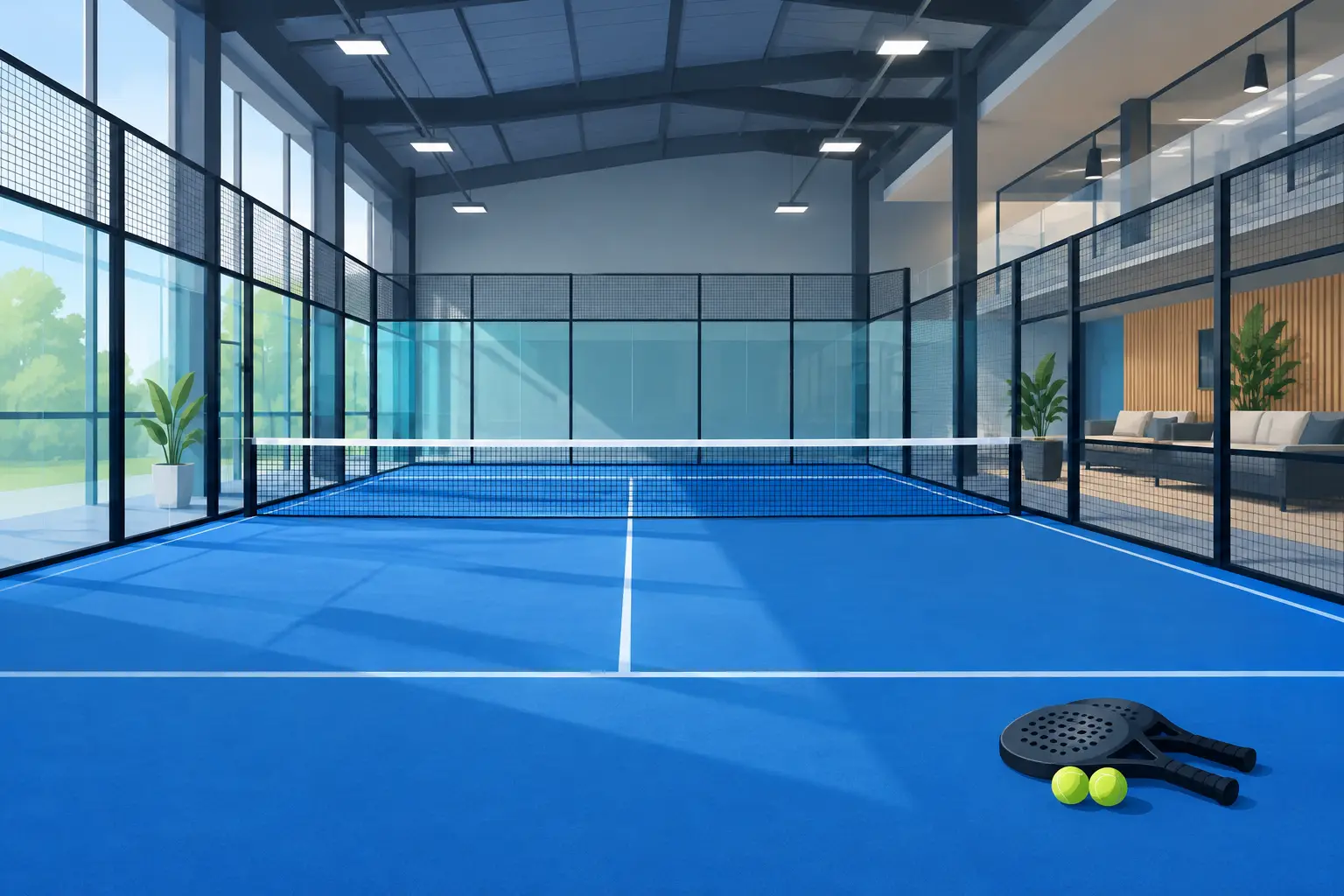
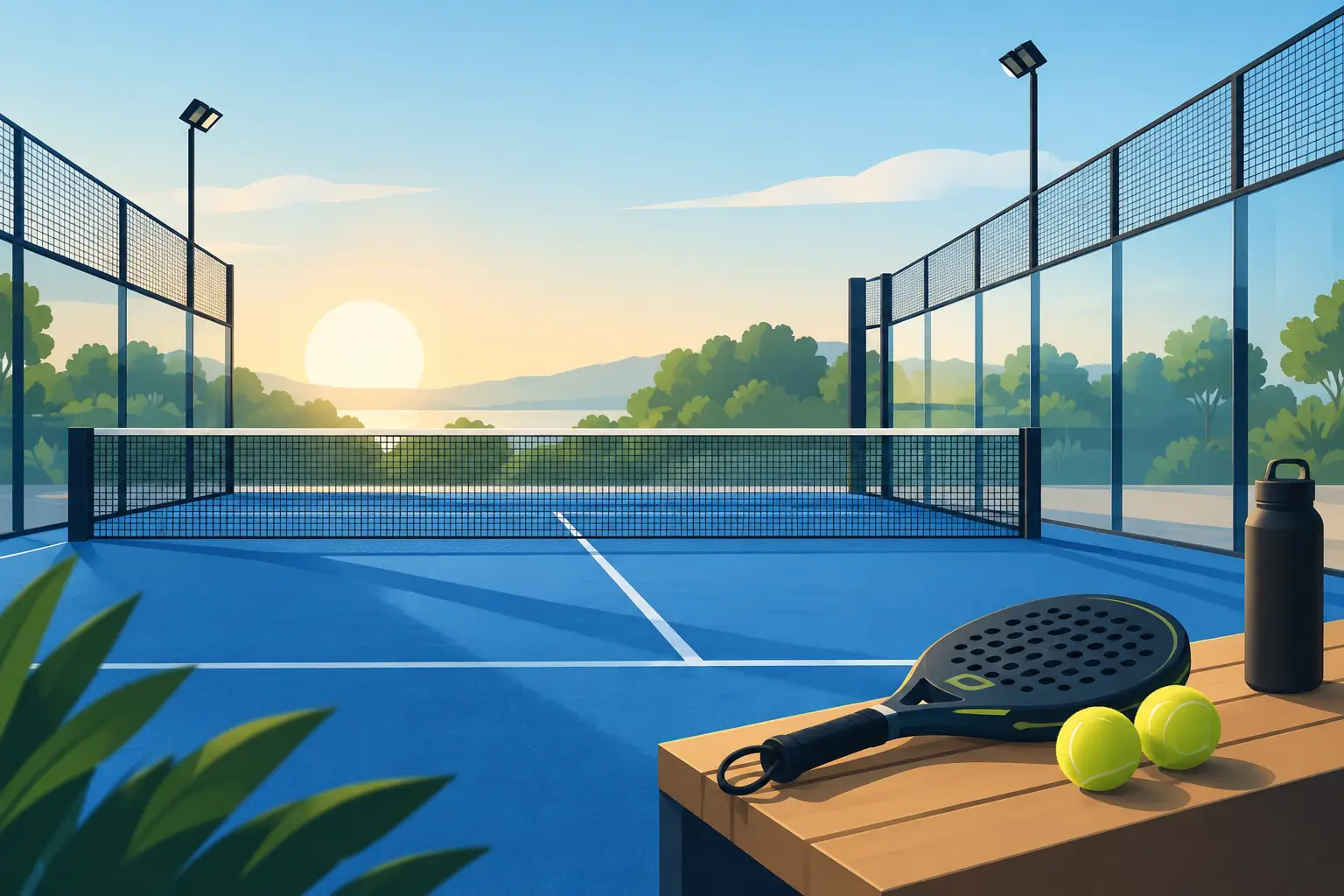
Padel is played on an enclosed 20 metre by 10 metre court, usually in doubles. The court is surrounded by glass and mesh, and the glass is part of the game. Once the ball bounces on the court, it can rebound from the walls and remain live. That one feature creates longer points, more recovery shots and plenty of moments where a ball that looked gone suddenly comes back into play.
Pickleball is played on a much smaller court, the same dimensions as a badminton doubles court. Its defining feature is the non-volley zone, commonly called the kitchen, which sits either side of the net. Players cannot volley while standing in this zone, so the game rewards controlled dinks, patient positioning and smart transitions to the net.
Neither court is simply a smaller version of tennis. In padel, you learn to read the back glass, use the side wall and defend as a pair. In pickleball, you learn to manage the kitchen line, soften the ball and avoid popping it up for an easy put-away. The spaces may be compact, but both sports give your brain plenty to do.
The equipment and rules at a glance
Padel rackets are solid, perforated and stringless. They are generally used with low-compression tennis balls, while play begins with an underarm serve that must bounce before it is struck. Scoring follows the familiar tennis format in most matches: 15, 30, 40 and game.
Pickleball uses a paddle and a lightweight plastic ball with holes. The serve is also underarm, but the scoring format is different, with games commonly played to 11 points and won by two. There is also a two-bounce rule: after the serve, each side must let the ball bounce once before volleys can begin.
Those details shape the rhythm. Padel starts with placement, then often builds into a fast exchange of volleys, lobs, wall shots and overheads. Pickleball can accelerate quickly too, but it often has a more tactical stop-start feel as players work for position around the kitchen.
Padel rewards movement and recovery
Padel is fun fast furious when the point opens up. The glass means there is time to retrieve balls that would end a rally in tennis, but it also demands quick footwork and calm decision-making. You might defend deep, sprint forward for a volley, then chase a lob back to the glass all within one point.
The overhead game matters too. Lobs are a major defensive tool, which means learning to hit a controlled bandeja or vibora-style overhead can transform your match play. Beginners do not need those shots on day one, but they give padel a seriously satisfying progression path.
Pickleball rewards touch and patience
Pickleball points can be short and punchy, particularly when stronger players attack. At intermediate level, however, much of the game is about restraint. A well-placed dink into the kitchen can be more valuable than trying to hit every ball hard.
That makes pickleball appealing to people who enjoy close-range exchanges, precision and tactical patterns. It is less about covering a large area and more about reading hands, controlling height over the net and waiting for the right ball to attack.
Which sport is easier for beginners?
Pickleball is often the quicker game to understand in a first session. The court is small, the paddle is simple to handle and the ball travels at a manageable pace. New players can get rallies going without a big swing or prior racquet-sport experience.
Padel is exceptionally beginner-friendly as well, especially in doubles. The underarm serve removes one of tennis’s biggest early frustrations, and the enclosed court keeps more balls in play. The only catch is the walls. Your first instinct may be to rush towards every ball, when letting it come off the glass is often the better option.
So, it depends on what you mean by easy. Pickleball can feel more immediately intuitive. Padel may take a few games to click, but once players understand the wall bounce, they often find themselves rallying longer and laughing harder. Four players sharing the court also makes it naturally welcoming for mixed abilities.
Fitness, intensity and the social factor
Both games can be as gentle or competitive as you make them. A casual pickleball hit is accessible for a wide range of ages and fitness levels, while advanced play can become rapid, reactive and demanding on the legs.
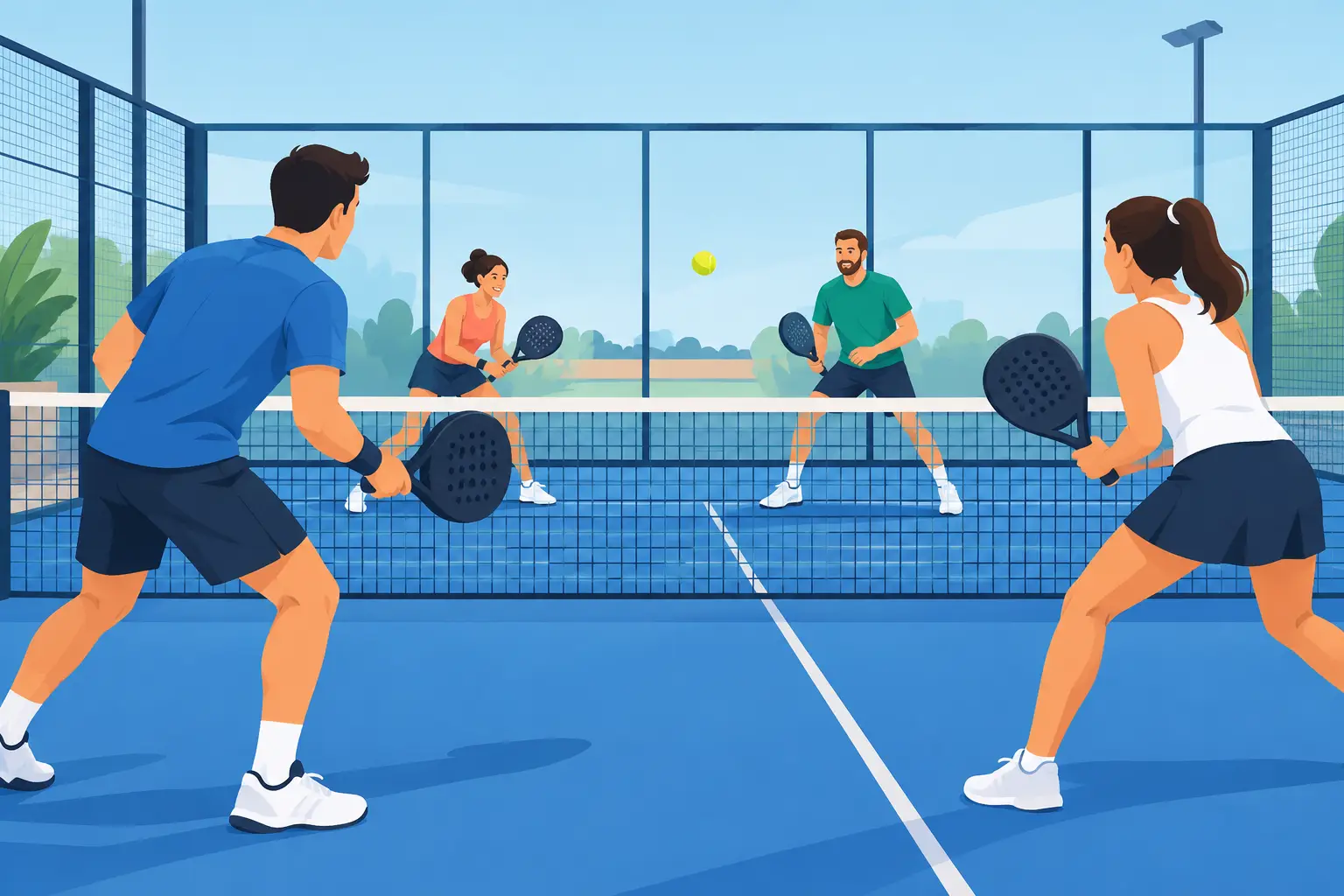
Padel typically asks for more court coverage, repeated bursts of movement and overhead work. Because it is usually played as doubles, it remains approachable even when the pace rises. Good teamwork matters as much as athleticism. A clever lob, a well-timed switch with your partner or a patient defensive point can beat raw power.
The social experience is where padel has a distinctive edge for many groups. Four people can book a court, rotate partners, play a few sets and keep the conversation going between points. It suits after-work games, family sessions, birthday groups and players who want competition without the formality of a traditional club environment.
At The Padel Lounge, that court time can naturally roll into a coffee, a feed, spectating or a social session with new players. The sport does not ask you to arrive as an expert. It asks you to bring your crew, have a crack and come back sharper next time.
Is padel more like tennis than pickleball?
Padel shares more DNA with tennis in its scoring, use of a pressurised ball and emphasis on lobs, volleys and overheads. Yet it is its own game. The court is smaller, serves are underarm and the walls fundamentally change point construction. Tennis players often enjoy the transition, but they need to unlearn the habit of hitting every ball before the back wall.
Pickleball has a stronger connection to table tennis and badminton in its compact court, paddle contact and net-focused tactical exchanges. Tennis players can adapt quickly, but big groundstrokes are not always an advantage. The best shot is often the soft one that keeps an opponent from attacking.
That distinction matters if you are coming from another sport. Former tennis players looking for a familiar feeling with a fresh tactical challenge often gravitate to padel. Players who love hand-eye skill, short-format games and controlled placement may prefer pickleball.
Choosing the right game for your crew
Choose padel if you want a bigger movement hit, longer rallies, a strong doubles atmosphere and a sport with plenty of room to develop. It is a brilliant fit for mates who enjoy competition but do not want to spend half the session collecting balls. It also gives ambitious players a genuine pathway from social rallies to coaching, organised formats and league competition.
Choose pickleball if court space, quick setup and immediate accessibility are your priorities. It can be an excellent option for multigenerational groups and players who prefer touch over chasing down deep lobs.
There is no need to treat it as a permanent sporting identity. Try both if you can. But if you want glass-wall chaos, clever teamwork, proper rallies and the feeling that every session can get a little more competitive, padel is ready when you are. Grab a racket, bring three people you rate, and make the next point count.