Your first padel point can get loud quickly. One minute you are serving underarm, the next the ball is bouncing off the glass, your mates are calling it in, and everyone is chasing one more rally. If you are wondering how to start padel, the good news is you do not need years of racquet-sport experience, a boot full of gear or a perfect backhand. You need a court, a few people and a willingness to have a crack.
Padel is built for action. It combines quick reactions, smart positioning and plenty of social energy, but the learning curve is friendlier than it looks. Most first-timers can rally, score points and leave wanting another match.
How to start padel without overthinking it
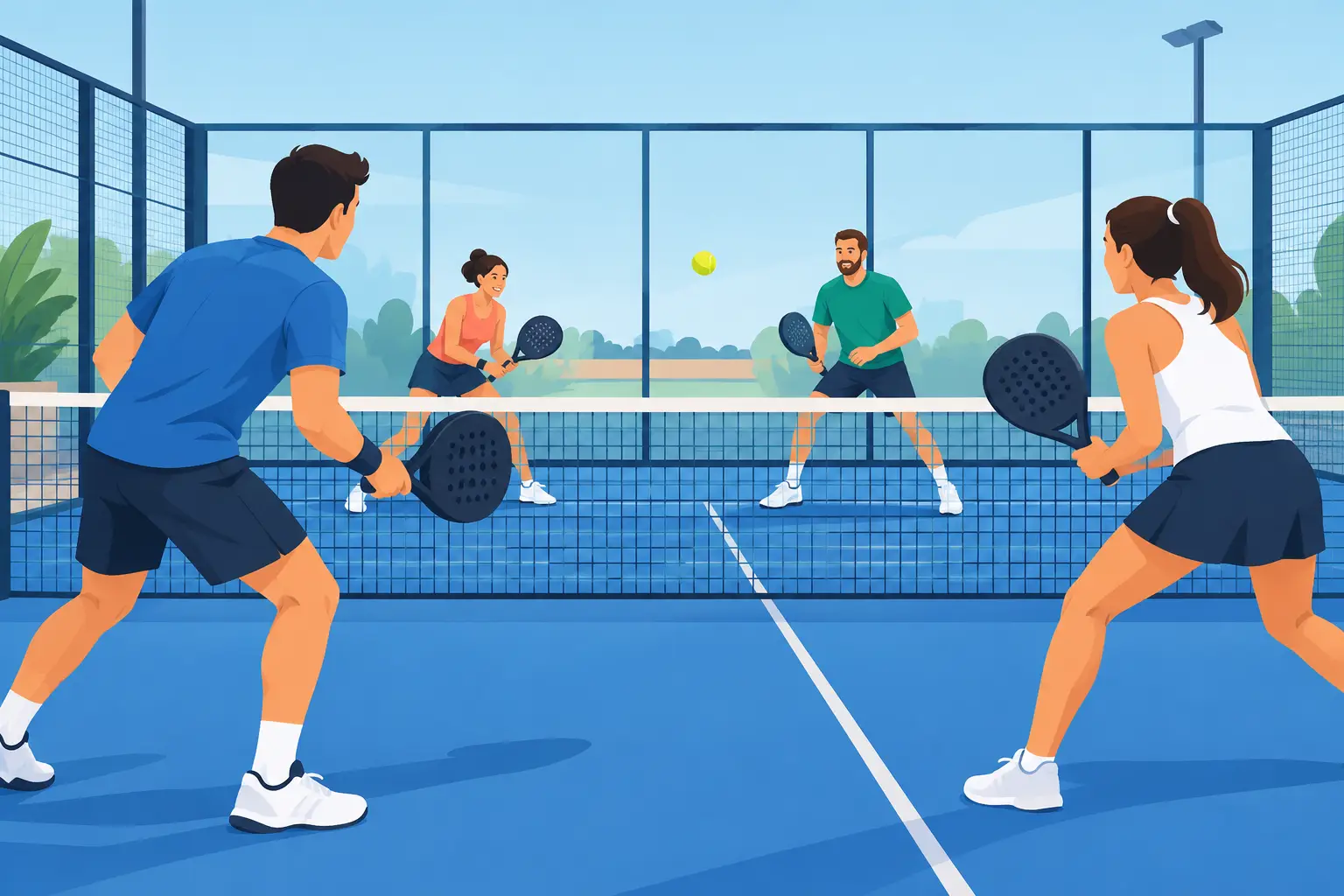
Start with a casual session for four players. Padel is normally played as doubles, which means there is always someone beside you, more room for teamwork and less pressure to cover the entire court alone. If you have only two players, a smaller training court or a coached hit can still be a great way to learn the feel of the game.
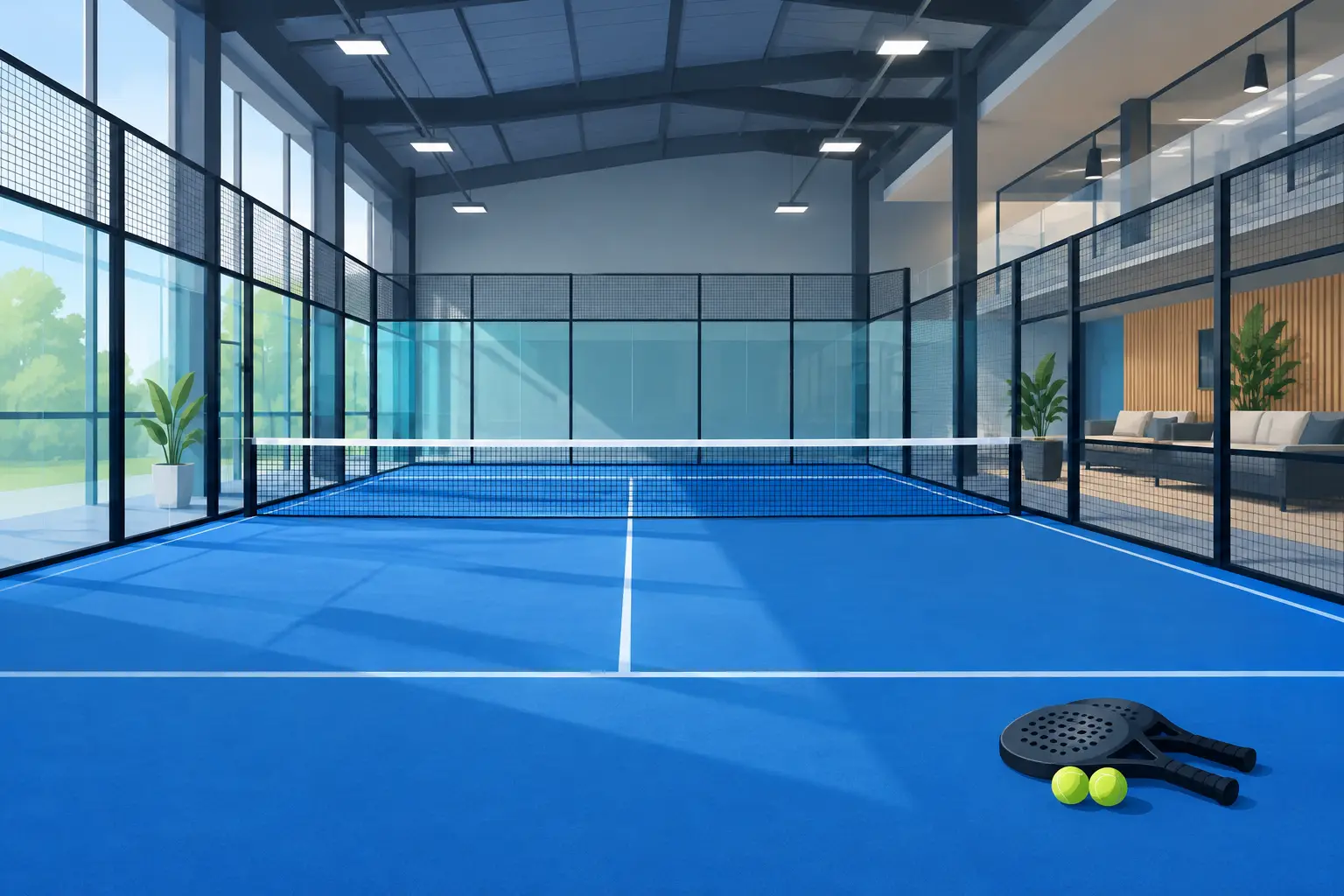
Book an indoor court if you can. Rain, glare and wind can turn a first outdoor hit into an exercise in chasing balls rather than learning the sport. An indoor venue gives you consistent conditions, clear sightlines and a proper chance to understand how the glass and mesh walls change each point.
Do not wait until everyone in your group feels ready. Bring the friend who plays tennis, the one who has never held a racquet and the mate who mainly comes for the post-game catch-up. Padel works because people at different levels can contribute to the same match from day one.
At The Padel Lounge, professionally supplied rackets and balls remove the biggest barrier to trying it. Turn up in comfortable activewear and court shoes with decent grip, then put your energy into playing rather than shopping for equipment.
Know the rules that matter on day one
You do not need to memorise every rule before you step onto court. Learn these basics and let the rest settle in through play.
A padel court is enclosed by glass and mesh. The ball can rebound from the glass after it has bounced on your side of the court, and you can play it back over the net. That is the feature that gives padel its longer, more tactical rallies. A ball that hits the mesh is generally out, while a ball that lands in and then reaches the glass is still live.
Serves are underarm and must be hit below waist height. Serve diagonally into the opposite service box, just like tennis. You get two attempts. The returner must let the serve bounce before hitting it, but after that first exchange, volleys are allowed.
Scoring follows the familiar 15, 30, 40, game format. Matches are commonly played as the best of three sets, though for a first session, short sets or a timed game keeps the pace high and gives everyone more chances to play.
The simplest rule for beginners is this: let the ball bounce before using the back glass. Trying to hit every ball early is tempting, especially for tennis players, but the wall is your extra teammate. Give yourself time, watch the bounce and play the ball when it comes back to you.
Your first 20 minutes on court
Begin with a gentle warm-up across the net. Stand closer than you think, use compact swings and aim down the middle. The padel racket has no strings, so a huge tennis-style swing rarely helps. A controlled push through the ball will give you more accuracy and make contact feel cleaner.
Then practise a few underarm serves and returns. Focus on getting the ball in rather than creating an ace. A good return is often a simple shot that lands deep and gives you time to move into position with your partner.
Once you start a game, resist the urge to belt every ball. Padel rewards patience. Hit with margin over the net, keep the ball in play and make the other pair take one more shot. Beginners often win points not through power, but because the opposition rushes a tricky ball off the glass.
Stand with your partner, not behind them
The fastest tactical improvement is learning to move as a pair. When your team attacks at the net, stand side by side with a little space between you. When you are defending, move back together. If one player charges forward while the other stays near the back glass, you leave a giant gap in the middle.
Talk constantly, even if it is only “mine”, “yours”, “leave it” or “back wall”. Clear calls make padel more enjoyable and stop the awkward moment where both players watch a ball drop between them.
Aim plenty of balls through the middle in your first few matches. It creates confusion, reduces the angle your opponents can use and gives you a larger target. The flashy corner winner can wait.
Choose a racket that helps you learn
Padel rackets come in round, teardrop and diamond shapes. For a beginner, a round racket is usually the smartest place to start. Its larger sweet spot makes off-centre contact more forgiving and helps you build confidence in rallies.
Teardrop rackets offer a balance of control and power, while diamond shapes generally suit more experienced players who can consistently find the sweet spot. The expensive option is not automatically the right one. A comfortable, forgiving racket will do more for your early progress than a power-focused model designed for advanced competition.
Use padel balls rather than tennis balls. They look similar, but the pressure and bounce are different. Wear non-marking court shoes or trainers with reliable grip. Padel includes sharp stops, lateral movement and quick turns near the glass, so worn-out runners can make you feel unstable.
If you are unsure, borrow or hire equipment for your first few sessions. Once you know whether you prefer social games, regular training or competitive leagues, choosing your own racket becomes much easier.
Build confidence with the right kind of game
A first padel session should feel fun, fast and furious, not like an exam. Avoid making every match a serious contest. Swap partners, use shorter sets and celebrate long rallies, even when you lose the point. The best early measure of progress is not the scoreboard. It is how often your group keeps the ball alive and starts using the walls on purpose.
Social sessions are ideal if you do not already have a four-person crew. Organised formats such as Padel Americano rotate partners and opponents through short games, so you meet players, get plenty of points and avoid being stuck in one uneven match. They are also a strong next step after a casual booking, because you learn court etiquette and positioning from players around you.
If you prefer structure, a beginner group session can accelerate the basics. Good coaching will help you understand grip, serve placement, volleys, lobs and defensive wall shots before poor habits settle in. It also gives competitive players a clearer pathway from social rallies to smarter match play.
For juniors, padel is particularly welcoming because doubles reduces the physical load and keeps players involved. A training-size private court can be useful for focused development, family sessions or players who value a more private environment, including hijab-friendly play.
The three shots worth practising first
You will see advanced players using spin, disguised volleys and aggressive overheads. Leave those for later. Your early game will improve fastest with three dependable shots: the deep return, the controlled volley and the lob.
A deep return pushes the serving team away from the net and gives your pair time to reset. A controlled volley keeps you in attack without sending the ball flying into the back glass. The lob is your reset button when opponents crowd the net. Lift it high over their heads, recover your position and turn defence into a new rally.
The lob takes judgement, so expect a few to land short at first. That is normal. Keep practising it. In padel, a well-timed lob is one of the most useful shots on court, no matter your level.
Keep coming back for the social side
Padel gets better when it becomes part of your week. Book a regular game with mates, join a social night or set a small goal such as winning one point with a lob or returning five serves in a row. Consistency beats one massive session followed by a month off.
Stay for a drink or a bite after your match. Watch another game from the seating area. Ask a stronger player why they waited for the back glass instead of rushing the ball. Padel communities grow quickly because the learning happens both on court and around it.
Your first match does not need to look polished. It only needs to get the ball moving, bring people together and give you a reason to book the next one.