The point changes at the net. One clean, controlled volley can pin opponents behind the service line; one wild swing can hand back all your hard work. The best volley drills build more than fast hands. They teach you to read the ball early, hold your position, use the glass intelligently and stay composed when a rapid-fire exchange gets fun, fast and furious.
For newer players, the goal is simple: make clean contact in front of your body without trying to hit every ball like a winner. For experienced players, it is about turning solid volleys into pressure – better depth, smarter targets and sharper decisions under pace. Start at a speed where technique holds up, then add movement, variety and consequences.
The best volley drills start with one rule
A padel volley is compact. Keep the racket head up, prepare early and use a short punch rather than a full backswing. Your feet do plenty of the work: small adjustment steps get your body behind the ball, while a split step as your opponent strikes helps you react in time.
At the net, avoid standing still and admiring your shot. Volley, recover to a balanced ready position, then expect the next ball. That recovery is what separates a one-off good shot from a reliable net game.
Use a partner, a basket of balls or a coach feeding from the opposite side. A training-size court is particularly useful for high-repetition work because it keeps the session focused and makes it easier to adjust pace. Whichever setup you use, agree on a clear purpose before starting. Are you training touch, depth, movement or decision-making? Trying to train all four at maximum speed usually creates messy reps.
8 best volley drills for padel players
1. The no-swing control exchange
Stand around a metre behind the net with a partner opposite you. Rally forehand volleys only, aiming gently through the middle with no backswing. The ball should travel with control, not speed. After 10 clean contacts each, switch to backhands, then alternate forehand and backhand.
This is the right first drill for beginners because it removes the urge to overhit. It also exposes a common problem: dropping the racket head before contact. Keep your hands in front, meet the ball early and imagine guiding it to a target rather than smashing through it. If the rally breaks down, slow it down further. Quality beats intensity here.
2. Deep volley versus short volley
One player volleys from the net while the partner feeds comfortable balls from the back of the court. Hit two deep volleys towards the opponent’s feet or back corners, then one softer volley that lands short and low. Reset and repeat on both forehand and backhand sides.
The lesson is variation. A deep volley keeps players back; a short volley pulls them forward and can open the court for the next ball. Neither option is automatically better. Against quick opponents, a loose short ball may sit up beautifully for them. Against players defending deep, it can be a smart way to create discomfort. Learn to control both before trying to disguise them.
3. Feet-first lateral volleys
Place two markers about two to three metres apart along the net line. Start in the middle. Your partner feeds alternating balls wide to your forehand and backhand, and you must move to each ball, volley cross-court, then recover through the middle before the next feed.
The focus is not reaching with your arm. Move first, set your base, then play the volley. Players often cross their feet in a panic and arrive late, which makes the racket face unstable. Use quick side steps where possible, stay low through the legs and finish every shot back in a ready position. Do 30-second rounds, rest briefly, then repeat with a slightly faster feed.
4. The centre-channel pressure drill
Two players hold the net against two players at the back. The net pair can only volley through the middle channel for the first six balls. The back pair defend, using lobs when they have time. After six balls, play the point out.
Hitting through the centre reduces angles and makes it harder for opponents to attack. It also forces both net players to communicate. Call “mine”, avoid crowding the middle and move together as a pair. This is a brilliant drill for social players who can strike a nice volley but lose shape as soon as the rally speeds up. The winning net team is rarely the one hitting hardest – it is the one closing space together.
5. Volley, lob, recover
Set up a cooperative rally with one pair at the net and one pair at the back. The back-court pair feeds a lob over one net player. That player retreats, lets the ball bounce if needed, plays a controlled bandeja or defensive return, then works forward to regain the net. Continue the point once both teams are organised.
This drill connects your volley skills to the reality of padel. The net is a strong attacking position, but it is not permanent. Great players know when the lob has beaten them and recover without rushing a difficult overhead. The partner who stays at the net should shift across, cover the middle and communicate early. That teamwork is often more valuable than a spectacular individual shot.
6. Red-light, green-light volley decisions
Have a feeder call “green” or “red” just before the ball reaches you. On green, play an assertive volley to an agreed target, such as at the feet of the back-court player. On red, play a safe, deep ball through the middle. The feed can be comfortable at first, then gradually become lower, wider and faster.
It sounds simple, but it trains the decision that matters most: when to press and when to reset. Not every ball at the net is an attacking ball. A volley below net height, especially when you are stretched wide, is usually a defensive situation. The best option may be a calm ball that keeps you in front rather than a low-percentage winner attempt.
7. The body-ball reaction drill
Stand at the net while a partner feeds firmer balls directly at your right hip, left hip and chest area. Your task is to make a compact block volley, directing the ball safely back through the centre. Begin at a manageable pace and keep the feed controlled – this is a reaction drill, not target practice.
Body balls create awkward contact and are common in fast exchanges. Turn your shoulders, make space where you can and use a short, firm racket face. Do not swing harder because the ball has arrived quicker. Advanced players can add a second ball: block the first, recover, then react to a wide feed. That extra recovery step is where the drill becomes match-ready.
8. Seven-ball point builder
Play normal doubles, but the first seven shots of every point must be volleys, groundstrokes or lobs with no outright winner attempts. After the seventh ball, the point is live and either team can attack. Keep score to add pressure.
This drill rewards patience, positioning and disciplined shot selection. It is especially useful for players who rush at the first half-chance or try to finish points from below net height. You will start noticing how often a patient volley creates the easier ball one or two shots later. Run it in short sets to seven points, then talk through the patterns you saw.
Make your practice transfer to matches
A strong session has progression. Start with the no-swing control exchange to find clean contact, then use lateral movement or body-ball feeds to challenge your feet and reactions. Finish with a point-based drill where there is a decision to make and something on the scoreboard.
Film a few rallies on your mobile if you can. Look for the basics: is your racket up before the ball arrives, are you splitting as opponents hit, and do you recover after every volley? One clear focus for the next session is more useful than trying to repair every detail at once.
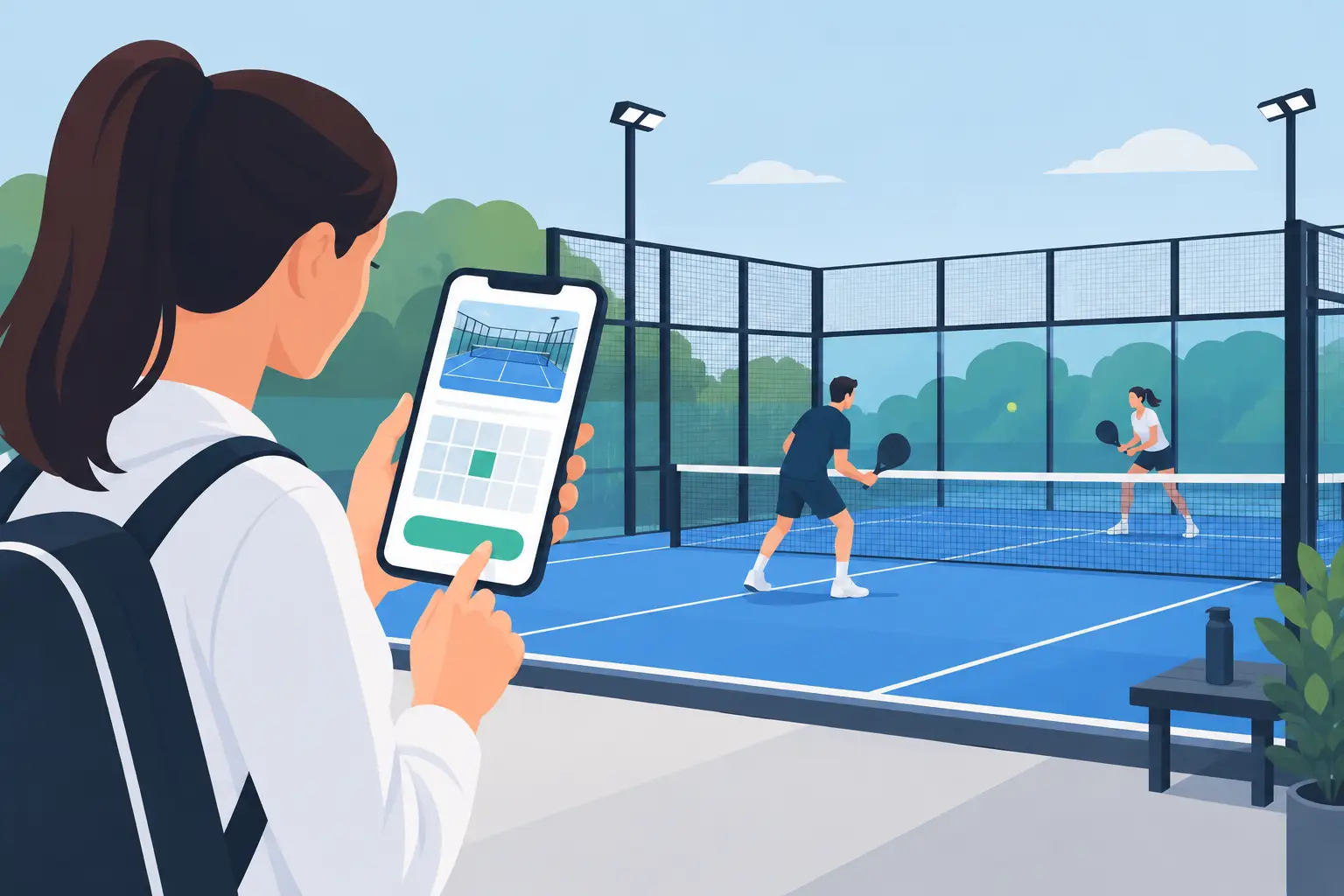
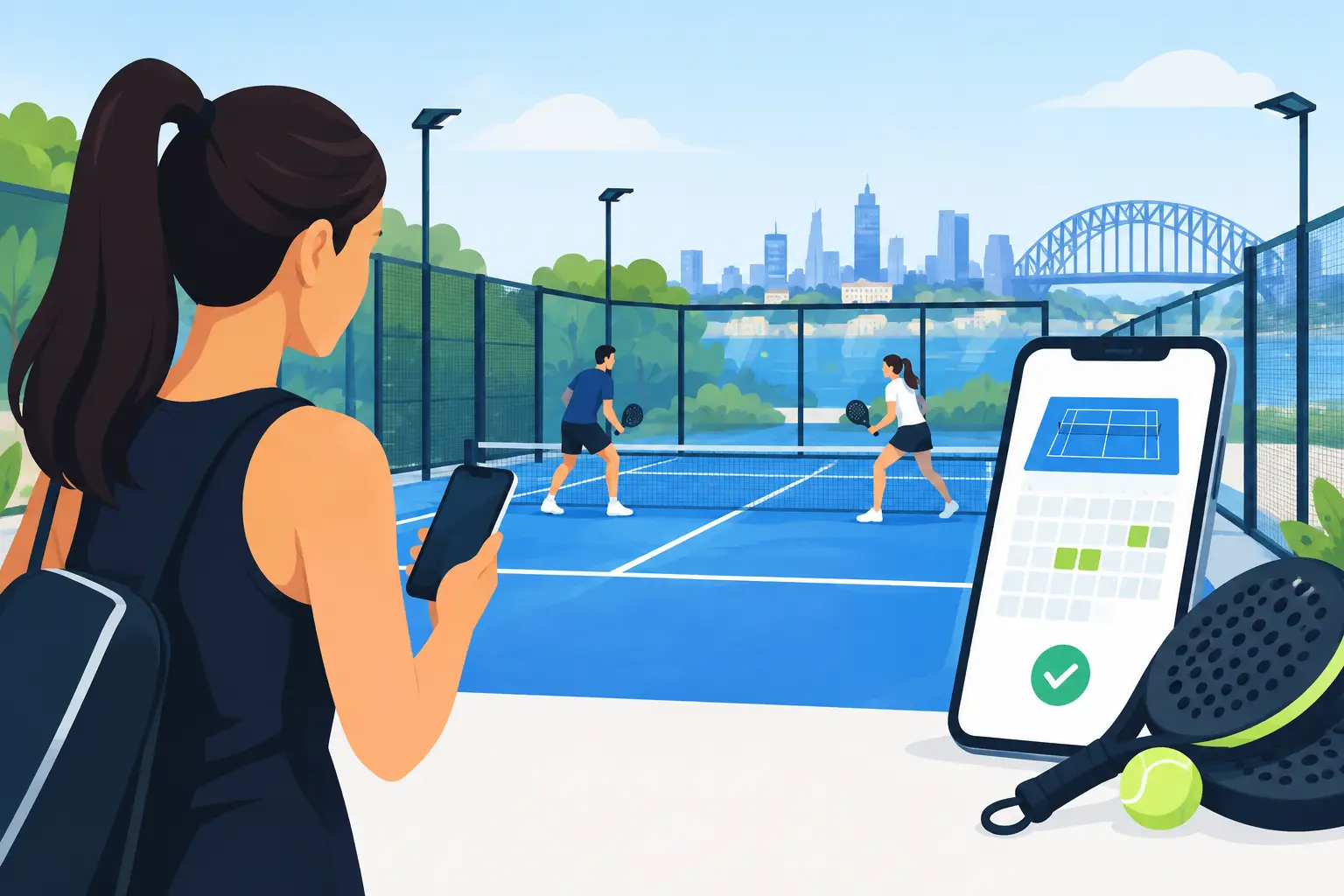
At The Padel Lounge, players can put these patterns into action on full-size indoor courts, then stay for the social side of the game. Bring a mate, book a court and give yourselves one drill before every match. A better volley does not come from swinging bigger – it comes from seeing sooner, moving earlier and choosing the smart ball when the point gets hot.