A solo treadmill session gets the job done. But a close rally, a few laughs between points and a post-game coffee? That is the kind of movement people actually want to come back for. Social fitness trends Australia are shifting the focus from simply clocking a workout to finding a place where energy, connection and competition live under the same roof.
For active adults across Western Sydney, sport is becoming the plan, not the chore before the plan. People want to move after work, bring their mates, meet new playing partners and still have the option to level up. The strongest venues are answering that call with organised formats, beginner-friendly entry points and spaces worth spending time in.
Why social fitness is having a moment
The appeal is straightforward: consistency is easier when other people are expecting you. A gym can offer flexibility, but it can also make it easy to skip. A booked court, a weekly social night or a league fixture puts movement in the calendar and gives it a purpose beyond burning calories.
There is also a growing appetite for fitness that feels less transactional. People are looking for a third place outside home and work, somewhere they can be active without needing to be an elite athlete or commit to a full-season club. They want a welcoming crowd, a bit of healthy rivalry and an environment that does not feel intimidating on day one.
That does not mean traditional gyms are disappearing. For strength training, rehabilitation or a quiet session on your own terms, they remain a great fit. But for people who are bored of headphones and repeating the same routine, social sport brings back the fun. Fast points, shared wins and a little banter make exercise feel like a night out with momentum.
Social fitness trends Australia is embracing
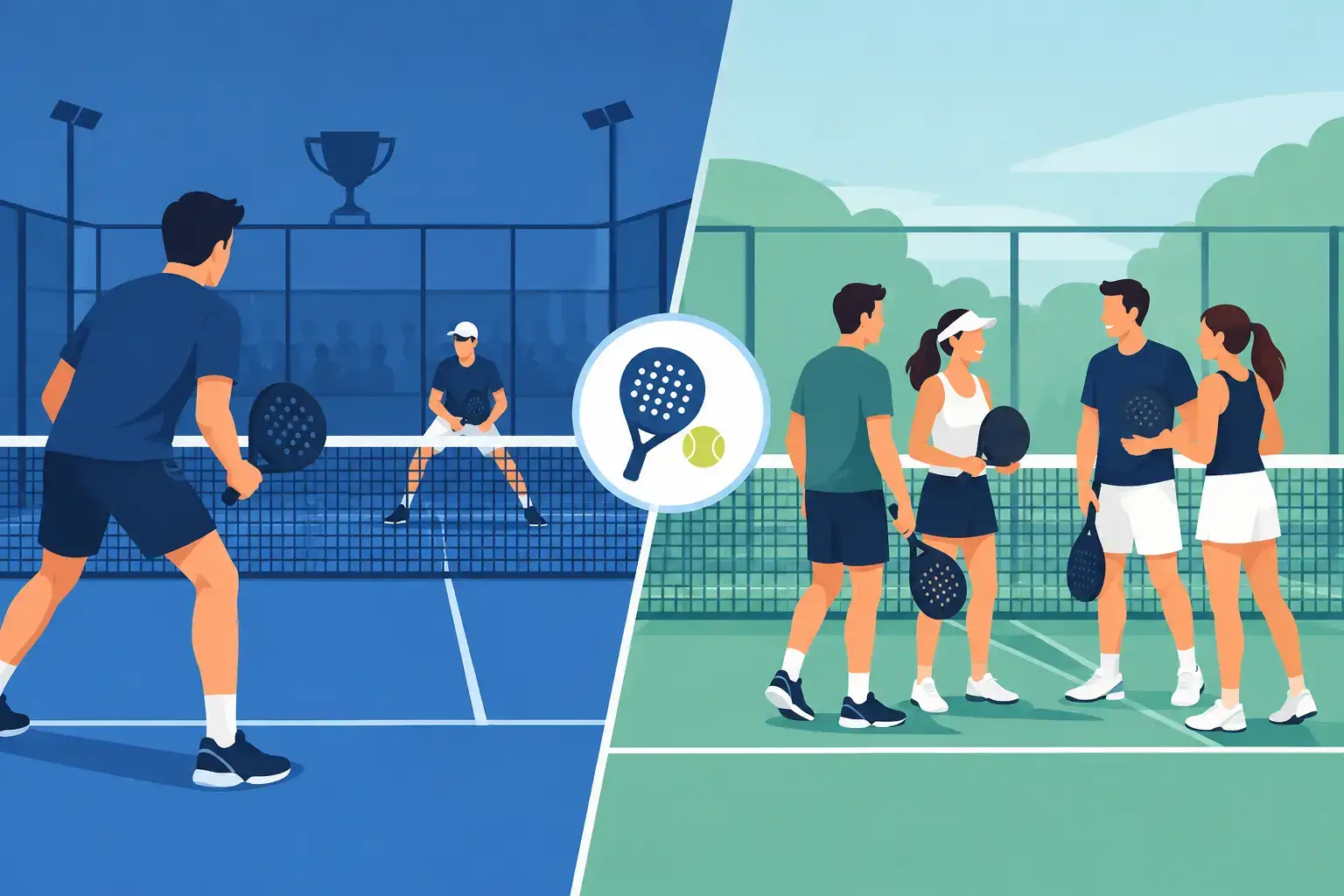
Padel sits right at the centre of this movement. It is fun, fast and furious, with a learning curve that welcomes newcomers while leaving plenty of room for experienced players to sharpen their game. The enclosed court keeps rallies alive, doubles play keeps everyone involved, and the format creates natural conversation from the first point.
Unlike some sports where beginners can feel exposed, padel gives new players a quicker route into a proper match. Supplied rackets and balls remove the gear barrier. Simple scoring gets players moving quickly. Most importantly, doubles means no one has to carry the whole game alone.
The trend reaches beyond padel. Run clubs, reformer classes, hybrid fitness races, social basketball and casual golf groups are all tapping into the same need: movement with a social return. What separates the venues that build real loyalty from the ones that host a one-off visit is structure. A good experience is not just a court or class. It is a clear way to join, play regularly, improve and feel part of something.
Structured play beats awkward small talk
Walking into a new venue can be the hardest part, especially if you arrive without a group. That is why organised social formats matter. Padel Americano, round-robin nights and graded sessions take away the pressure of finding enough players or wondering whether the level will suit you.
You show up, rotate through matches and meet people through the game. The conversation has already started because there is a score, a great point or a missed smash to talk about. For newcomers, this is far easier than trying to break into an established group. For regulars, it keeps the player pool fresh and makes every session more dynamic.
The best formats balance social play with enough organisation to keep things moving. Players want relaxed energy, but they also want fair match-ups, on-time court rotations and a host who can make first-timers feel included. It is casual with purpose.
Competition is becoming more accessible
Competitive sport used to feel like an all-or-nothing commitment. You either played socially or signed up for a serious club season. Now there is more space in between. Short-format leagues, ladder competitions and graded events give players a reason to train without demanding every weekend.
That flexibility matters. A parent might play one evening a week. A friendship group may want a monthly fixture. A former tennis player may be chasing sharper competition and a clear pathway to improve. Each player can find a level of intensity that fits their life.
Competition also gives progress a shape. It is satisfying to notice a better serve or smarter positioning, but it is even more motivating when those improvements help your team win a tight match. The goal is not to make every social player a professional. It is to make improvement visible, enjoyable and available.
The venue matters as much as the workout
A concrete court with a booking system is no longer enough. People are choosing places that make it easy to stay for another chat, watch the next match or grab something from the café. Comfortable lounge areas, spectator seating, scoreboards and a polished setting turn a booking into an experience.
Convenience is part of the equation too. Long opening hours make before-work and after-work sessions realistic. Parking, reliable Wi-Fi, keyless entry and equipment on hand remove small points of friction that can otherwise derail a plan. When getting active feels easy, people play more often.
For women, families and privacy-conscious players, the definition of a great venue is broader again. Accessible programming, junior sessions and private court options can make a genuine difference to who feels able to take part. Inclusion is not a marketing line. It is practical design, thoughtful scheduling and staff who know how to welcome different needs.
At The Padel Lounge in Greenacre, that idea comes to life through internationally approved full-size courts alongside a training-size private court, giving players room for everything from social rallies to focused coaching. It is built for the player who wants a premium match experience, and the first-timer who simply wants to give something new a crack.
From social hit to real progression
One of the most exciting parts of the social fitness shift is that fun and development no longer sit on opposite sides. A player can start with mates, join a social night, then decide they want coaching, match analysis or league play. The journey happens naturally when a venue gives people options rather than pushing one fixed version of sport.
For juniors, this is especially powerful. They need the chance to build technique and confidence, but they also need sport to stay enjoyable. A high-energy social environment can help young players see practice as something they look forward to, not another obligation after school.
Adults benefit from the same balance. Not every session needs a coach, and not every game needs to be a battle. But having access to quality instruction and stronger opponents stops the experience from going stale. Some weeks, play for the laughs. Other weeks, work on your volley, movement or tactical patience. Both count.
Finding the right fit for your crew
The best social fitness choice depends on what gets you through the door. If you need accountability, book a recurring session with a mate. If you are new to an area, choose an organised social format where partners and opponents rotate. If you are naturally competitive, look for graded leagues and coaching that give your progress direction.
If your group includes mixed abilities, choose a sport with quick entry and enough teamwork to keep everyone involved. Padel is particularly strong here, although the key is choosing the right session. A complete beginner will enjoy a hosted introductory hit more than an advanced league night, while experienced racquet-sport players may want a faster route into competitive fixtures.
Do not underestimate the value of the post-game ritual either. A coffee, a cold drink or ten minutes in the lounge can be the difference between a workout you squeeze in and a community you become part of. That social layer is what turns an occasional booking into a weekly habit.
The next time the group chat asks what everyone is doing this week, make the answer active. Book the court, bring the crew or step into a social session solo. The first rally is only the start – together, we play.