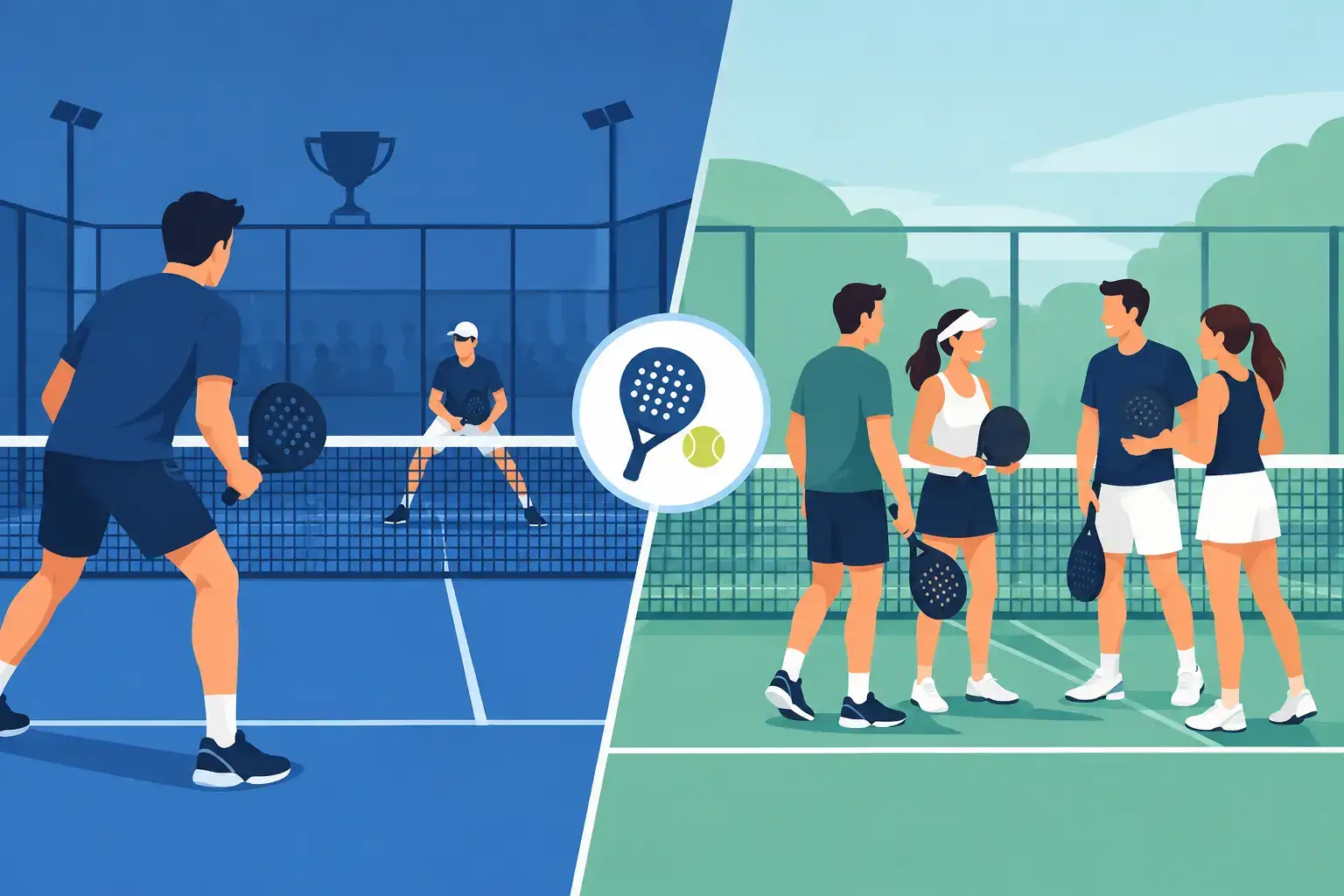
A junior’s first competitive point can look wildly different from an adult match. There may be a huge forehand, a missed serve, a scramble to the glass, then a grin that says they are already hooked. This junior competition pathway guide is built around that moment: keeping the game fun while giving young players a clear route to improve, compete and belong.
Padel rewards curiosity, movement and teamwork. For juniors, the goal is not to rush towards results or copy professional players too soon. It is to build capable, confident competitors who enjoy turning up, learning under pressure and backing their partner.
What a strong junior pathway looks like
A good pathway gives every player a next step. It does not treat all juniors as though they have the same sporting background, confidence level or appetite for competition. Some will arrive after playing tennis, football or basketball. Others will pick up a racket for the first time and need time to find the ball, learn the walls and feel comfortable on court.
The strongest junior programs move through four connected stages: discovery, development, match practice and competition. Players can progress quickly when they are ready, but they should never be pushed ahead simply because they are older or physically bigger.
1. Discovery: learn the game without the pressure
Early sessions should make padel feel accessible. Juniors need plenty of ball contact, short games and clear challenges rather than lengthy technical speeches. Serving, rallying, moving as a pair and using the glass all become easier when players are encouraged to experiment.
At this stage, supplied rackets and balls remove a common barrier for families trying something new. The focus is simple: can the player start a rally, recover after a shot and enjoy playing with others? A junior who leaves wanting another hit has made real progress.
2. Development: build the habits that hold up in matches
Once a player can rally, coaching becomes more intentional. Technique matters, but padel is not won by pretty swings alone. Juniors need to understand court position, shot selection, communication and recovery.
A player might hit a brilliant winner from the back corner, then give away three easy points by staying too close to the net or leaving their partner exposed. This is where structured training earns its place. Repetition builds control, while game-based drills teach when to use that control.
Key habits include serving with a purpose, returning consistently, moving forward together, calling the ball early and defending with patience. Juniors also need to learn that a high-percentage shot is often the smart shot. The biggest smash is not always the best option.
3. Match practice: make pressure familiar
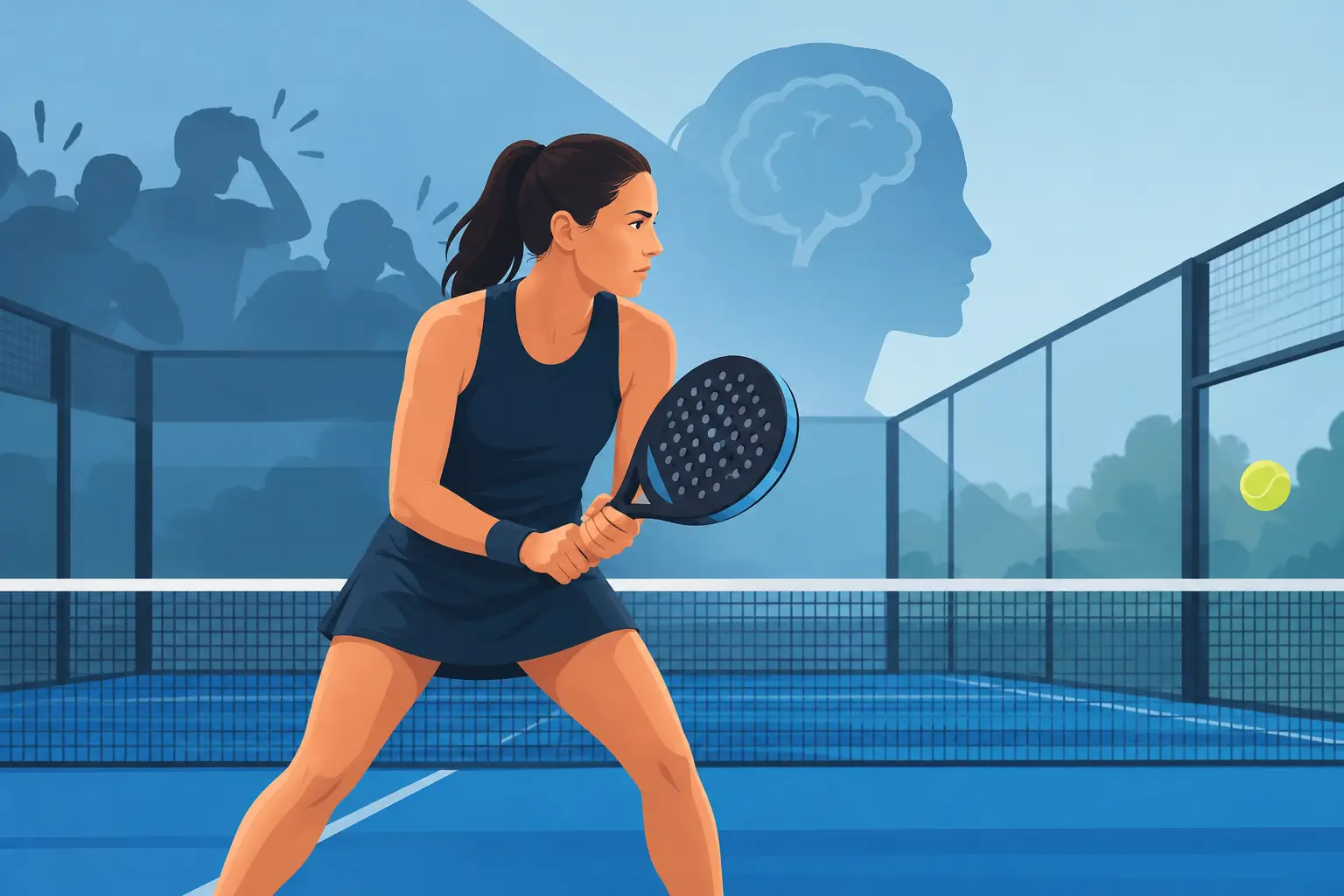
Training courts are for learning. Matches are where players discover what they can do when the score is tight. Regular match practice lets juniors experience nerves, momentum swings, awkward opponents and the challenge of working with different partners.
Short-format games are particularly valuable. Tiebreaks, timed rounds and point-start scenarios create pressure without demanding a full afternoon on court. They also teach players to reset quickly after a mistake. One lost point should not become three more because a player is frustrated.
Padel Americano-style formats can work well for juniors when organised by ability and supervised properly. Players meet more people, play with a range of partners and learn to adapt. For socially motivated juniors, this is often where competition begins to feel exciting rather than intimidating.
4. Competition: test skills, not self-worth
Competition should be a chance to apply learning, not a judgement on a junior’s potential. A first league, round robin or junior event is successful when a player competes with effort, respects the format and wants to return, regardless of the final score.
As confidence grows, juniors can move into more structured leagues and higher-level events. The right timing depends on readiness, not just results in one session. A player who wins easily but struggles with behaviour or teamwork may need more development before stepping up. Equally, a junior who loses close matches yet stays engaged may be ready for stronger opposition.
Junior competition pathway guide: choosing the right level
Parents often ask when their child is ready to compete. There is no magic age or win-loss record. Readiness is usually visible in behaviour and basic game awareness.
A junior is generally ready for entry-level competition when they can serve under control, keep score with support, understand safe court movement and respond constructively to a missed shot. They do not need to be perfect. They do need to be able to participate without becoming overwhelmed.
For the next level, look for a player who can maintain rallies, communicate with a partner and make simple tactical decisions. Can they recognise when to defend? Do they move with their teammate rather than chasing every ball alone? Can they reset between points? These are better indicators than a powerful forehand.
More advanced junior competition requires consistency, resilience and a willingness to prepare. Players should know their strengths, understand basic pair strategy and be comfortable facing opponents who expose weaknesses. This is where regular coaching, purposeful match play and feedback become essential.
What juniors need from coaches and parents
Young competitors notice the emotional temperature around them. A coach who gives clear, practical feedback creates safety to try new things. A parent who stays calm after a tough loss helps a junior develop perspective.
The best post-match question is rarely, “Did you win?” Try, “What felt good today?” or “What would you like to practise next session?” This keeps attention on learning. It also helps coaches understand whether a junior enjoyed the challenge or felt out of their depth.
Parents can support progression by protecting consistency. Arriving on time, bringing a water bottle, encouraging recovery and letting coaches coach are small things that add up. Avoid analysing every point in the car ride home. Juniors need space to process, especially after a hard match.
Coaches should balance correction with momentum. Too many technical instructions can freeze a player mid-rally. One clear focus is usually enough: get the return in play, move up with your partner, or use more height when defending. Confidence grows when juniors can act on feedback straight away.
Build competitors who are good teammates
Padel is a doubles game, and that is one of its great advantages for junior development. Players learn to communicate, share responsibility and respond when a partner is having a rough patch. Those lessons matter well beyond the court.
Teach juniors to use positive, specific communication. “Good idea” after an attacking attempt is more useful than silence. “Mine” and “yours” prevent confusion. A quick racket tap after a lost point can stop blame before it starts.
It is also worth rotating partners during development stages. Playing with friends is fun, but new pairings reveal important skills. Can a junior adapt their game? Can they encourage someone less experienced? Can they stay composed when their usual rhythm is gone? Those are competition skills.
Make room for ambition and enjoyment
Some juniors will play padel once a week because they love the energy, the friendships and the post-session snack with family. Others will want to train harder, enter leagues and chase representative opportunities as the sport grows. Both belong on the same pathway.
The Padel Lounge gives Western Sydney juniors room for both. Internationally approved full-size courts create a proper match environment, while the training-size private court offers focused coaching and a more comfortable setting for players who value privacy. The venue feel matters too: juniors can train hard, parents can watch, and the sporting day can continue in the lounge rather than ending at the court gate.
Progress is rarely a straight line. Growth spurts can disrupt timing, school commitments can change training routines, and a confident junior can suddenly hit a patch where nothing feels right. Keep the next step clear, keep the standard supportive, and let the love of the game stay loud.
The best pathway ends with a junior walking onto court ready to compete, ready to learn and ready to lift their partner after the next point. That is how fun, fast, furious padel becomes a sport they can carry for years.